-

How the French Mandate transformed Syria from the heart of Arab nationalist ambition into a fragmented territory governed by divide-and-rule, setting the foundations for every crisis that followed.
-
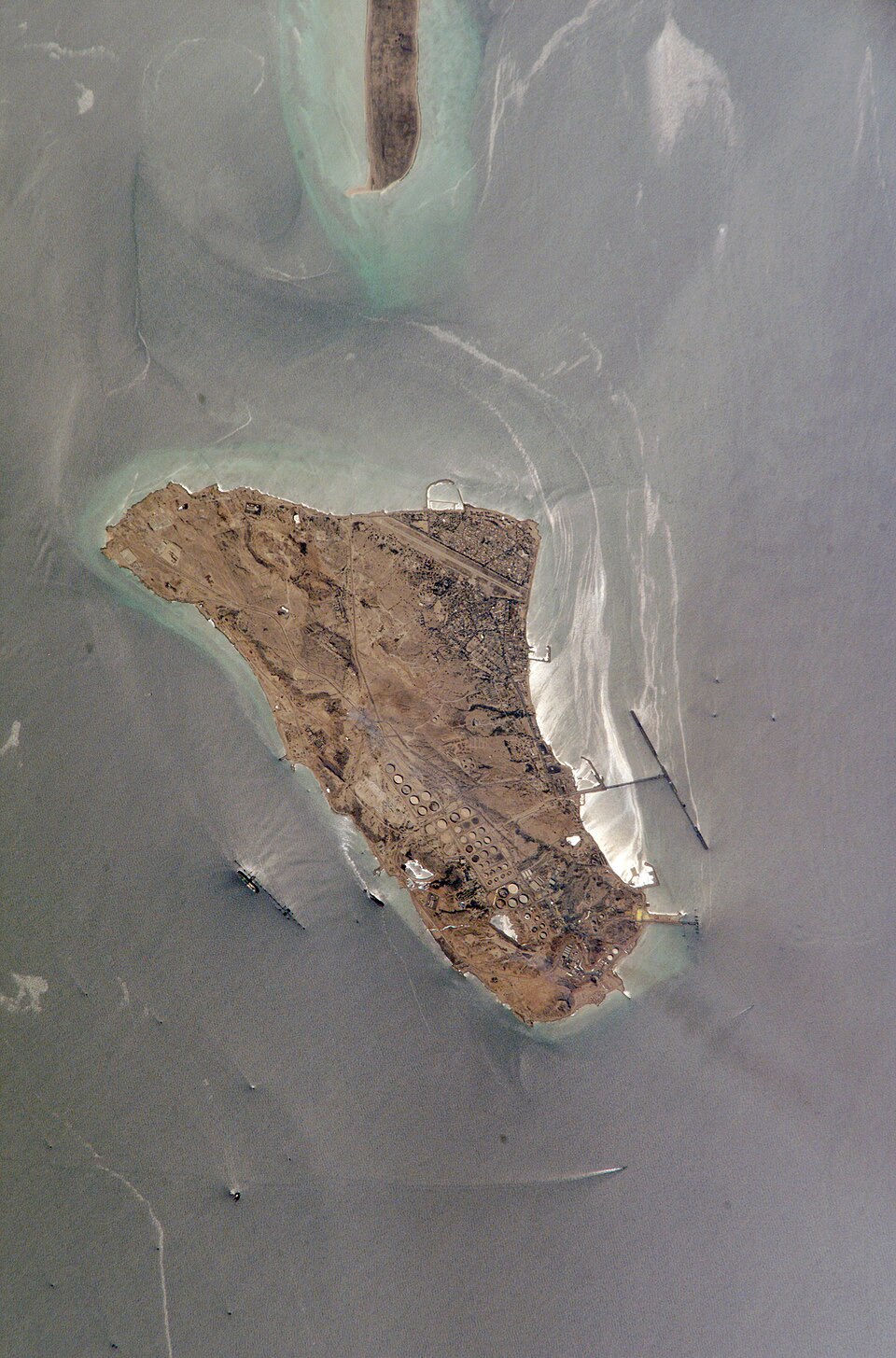
Kharg Island, a strategic coral outcrop off Iran’s western coast, plays a pivotal role in Iran’s oil exports, handling 90% of crude oil exports. Seizing it could economically cripple Iran without American troops needing to land. However, history warns against such bold moves—Gallipoli and Dien Bien Phu show the perils of holding fortified positions against asymmetric warfare.
-
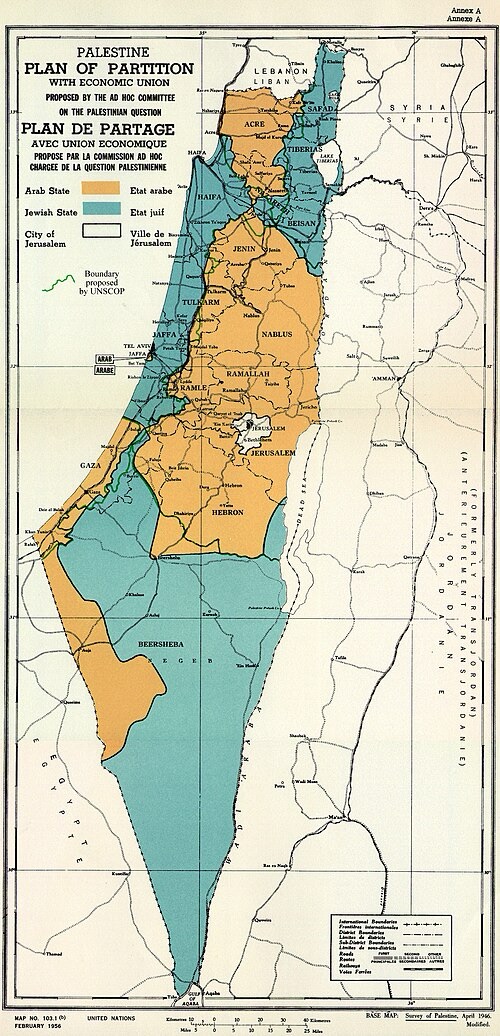
The British withdrawal in 1947-48 triggered simultaneous national traumas, laying the foundation for massive displacement and identity crises.
-
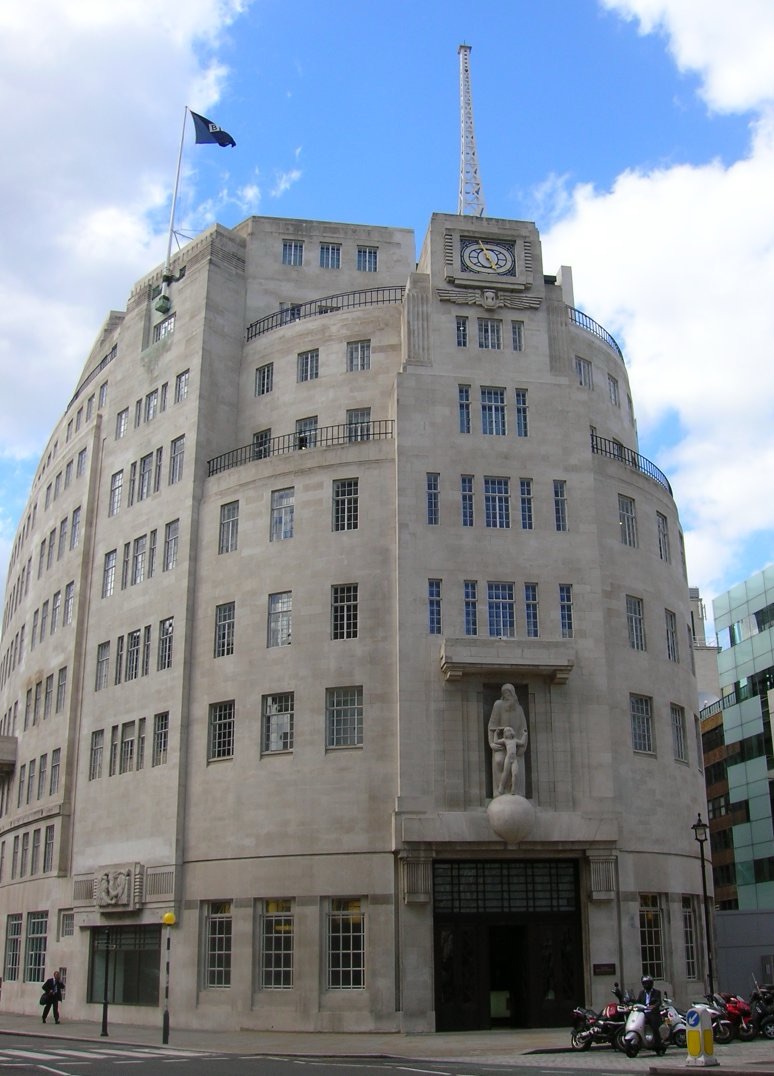
The BBC Empire Service emerged as Britain’s audacious attempt to unify its vast empire via radio waves. This technological marvel aimed to create an imperial consciousness, but reality was far more complex.
-
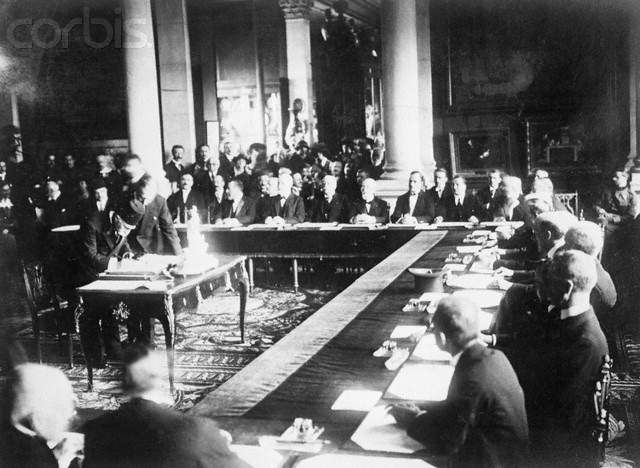
An evidence-led guide to the Kurdish provisions of Sèvres, their failure, the Lausanne settlement and the later decision over Mosul.
-

Introduction: The General at the Tomb On July 25, 1920, French troops led by General Henri Gouraud entered Damascus. They had just routed the Arab forces at the Battle of Maysalun, ending the short-lived dream of an independent Arab Kingdom in Syria. According to a persistent, though historically debated, anecdote, one of Gouraud’s first acts upon entering the city was to visit the tomb of Saladin, the legendary sultan who had expelled the Crusaders from Jerusalem in the 12th century. Standing before the sepulcher, the French High Commissioner is said to have declared, “Saladin, we have returned.” Whether the event happened…
-
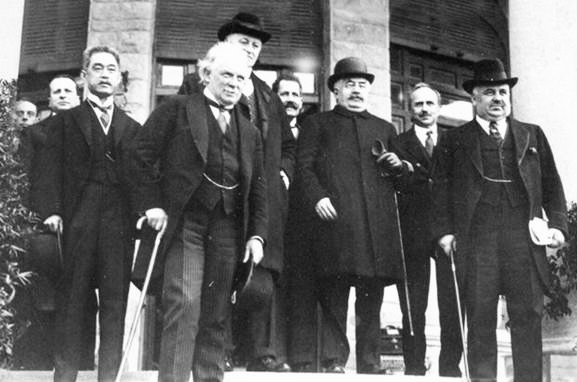
Introduction: The Villa Devachan and the New World Order On April 19, 1920, the Supreme Council of the Allied Powers convened at the Villa Devachan, an ornate Edwardian residence in the Italian resort town of San Remo. The setting was tranquil, overlooking the Mediterranean Riviera, but the business at hand was the definitive partition of the Middle East. For eighteen months following the Armistice of Mudros in October 1918, the fate of the Ottoman Empire’s Arab provinces had existed in a state of suspended animation. British and French armies occupied the terrain from the Levant to Mesopotamia, but the legal…
-

Introduction: The End of Secret Diplomacy In late November 1917, the newly established Soviet government in Petrograd initiated a diplomatic offensive that would shake the foundations of the Entente alliance and fundamentally alter the political trajectory of the Middle East. Following the Bolshevik seizure of power earlier that month, Leon Trotsky, the People’s Commissar for Foreign Affairs, authorized the seizure of the Russian Ministry of Foreign Affairs’ archives. His objective was not to conduct diplomacy, but to dismantle the “bourgeois” system of international relations that had precipitated the Great War. Trotsky ordered the publication of the secret correspondence and treaties…
-
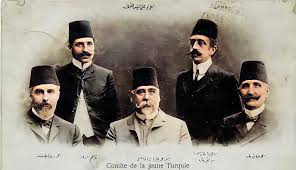
Introduction: The Eastern Question and the Balance of Power By the summer of 1914, the “Eastern Question”—the diplomatic shorthand used by European chancelleries to describe the problem of the Ottoman Empire’s territorial disintegration—had ceased to be a theoretical concern and had become an immediate strategic crisis. For nearly a century, the European powers had managed the decline of the Ottoman state through a complex system of checks and balances. The survival of the Empire was not born of Ottoman strength, but of European rivalry; the Great Powers preferred a weak Ottoman buffer to a chaotic vacuum or, worse, the dominance…
-

When a British housewife bought a bar of soap in 1905, the label on the box might have shown a tanned African child smiling beside a mound of white suds. When a Frenchman poured a cup of coffee, the poster above his café table might have displayed exotic figures from Africa or Indochina bringing the beans to Europe’s ports. Such images were everywhere, and their message was clear: empire was not only a political system—it was a way of consuming the world. In the early twentieth century, advertising became one of the key cultural technologies of empire. It taught Europeans…