-

In the latest episode of the Explaining History Podcast, we explore the historiography of the civil rights movement and the problem of the “happy ever after” narrative – the idea that the struggles of the 1950s and 60s somehow “solved” racism in America.** The Problem of Happy Ever After For many years, there was an impression in British high schools – and, I suspect, in schools across the world – that the civil rights movement had a happy ending. The struggles of the 1950s and 60s, the marches, the speeches, the sacrifices, culminated in something like victory. And then, well,…
-
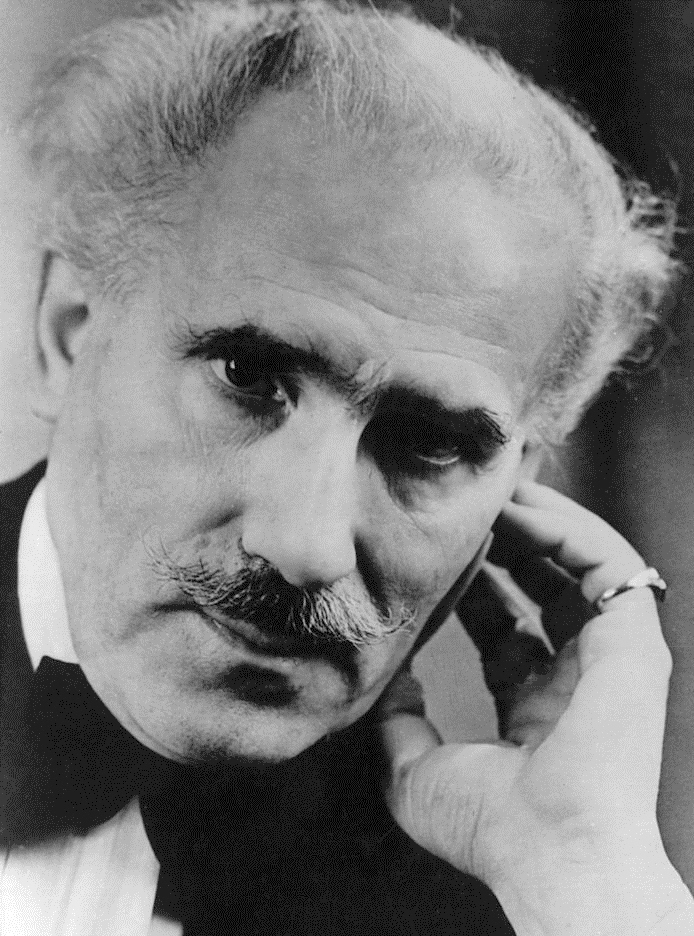
In this episode of the Explaining History Podcast, we are joined by Italian author Filippo Iannarone to discuss his acclaimed crime novel, The Toscanini Conspiracy – a story that weaves together a real‑life cold case, the anti‑fascist resistance of conductor Arturo Toscanini, and the author’s own family history of heroic opposition to Mussolini and Hitler. The novel began with a chance encounter. While travelling in Val d’Orcia, Filippo discovered a small inn called Locanda Toscanini and asked the host why it bore the name of the legendary conductor. The answer opened a door to a forgotten story: the murder of Dr. Rinaldi,…
-

Writing a book like God Forgives, Brothers Don’t during the long twilight of the Iraq and Afghanistan wars, journalist Jasper Craven discovered that the pipeline feeding young men into America’s fighting forces wasn’t just a response to war—it was a carefully engineered system. What he found was a sprawling network of military schools, ROTC programs, and a cultural pedagogy that had spent centuries convincing American boys that the path to manhood ran straight through the barracks. The result is a searing investigation into how the US military has become the nation’s primary engine of masculinity, and how that engine is…
-
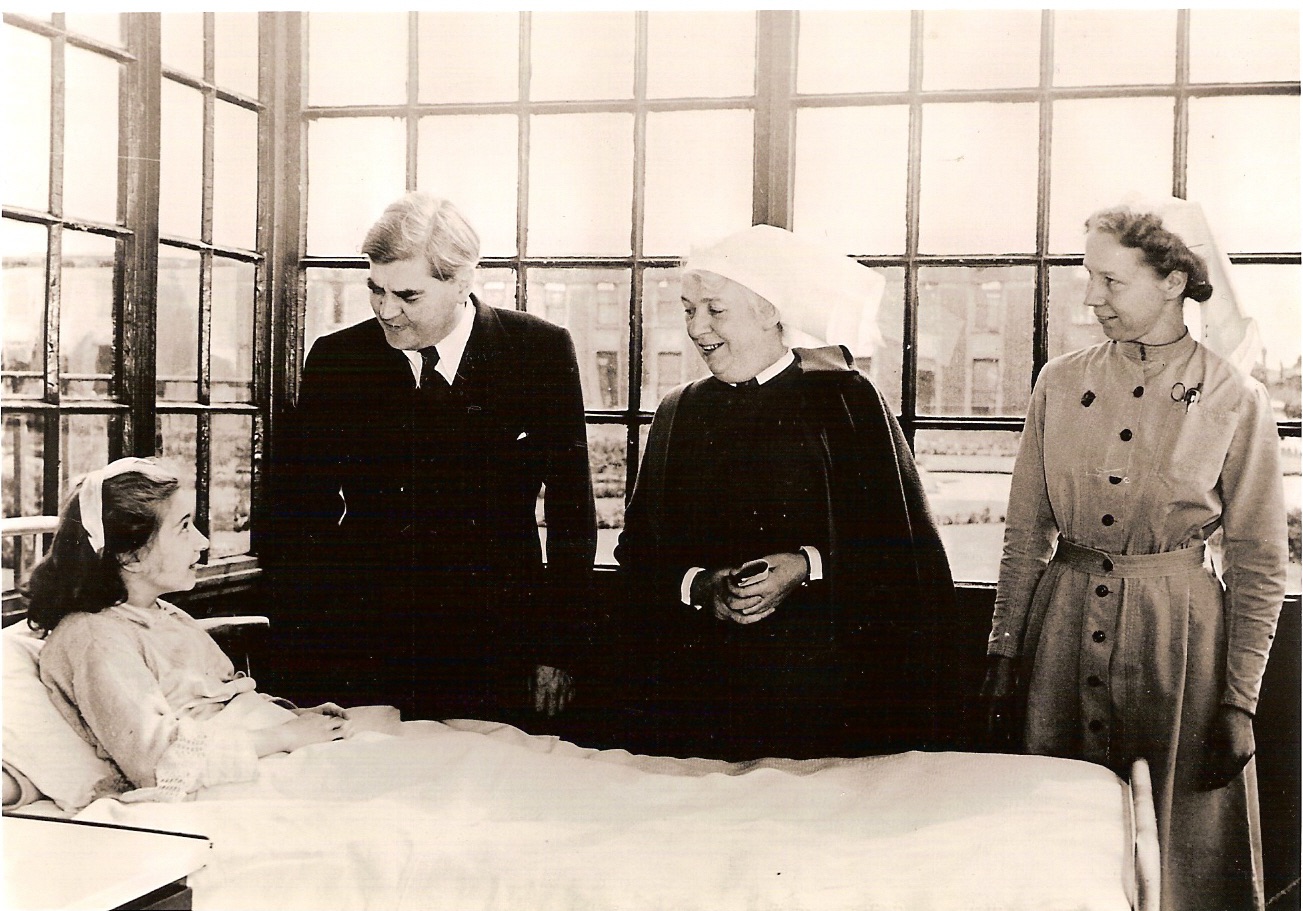
On the morning of 5 July 1948, a new era in British history began. At hospitals, clinics, and doctors’ surgeries across the country, the National Health Service (NHS) opened its doors for the first time. It was not the first universal healthcare system in the world—Germany’s compulsory insurance dated back to the 1880s, the Soviet Union had state provision, and New Zealand’s Social Security Act of 1938 had already taken major steps toward universal coverage. But the NHS was the first comprehensive, universal, tax-funded system free at the point of use on a national scale.
-

Piers Blofeld’s book, Master of Lies, reexamines Anthony Blunt’s role as a prominent Cambridge spy, revealing his significant impact on the Cold War. Contrary to perceptions of Blunt as a minor figure, he was a master of disinformation whose actions resulted in substantial Allied casualties and shaped post-war Europe.
-

Five prime ministers in eight years. Six chancellors. Four Conservative leaders, a Labour landslide that felt less like a dawn than a pause, and now Keir Starmer, standing in the Downing Street rose garden, speaking of “national renewal” in the same syntax as a man trying to soothe a burns victim with a damp flannel
-
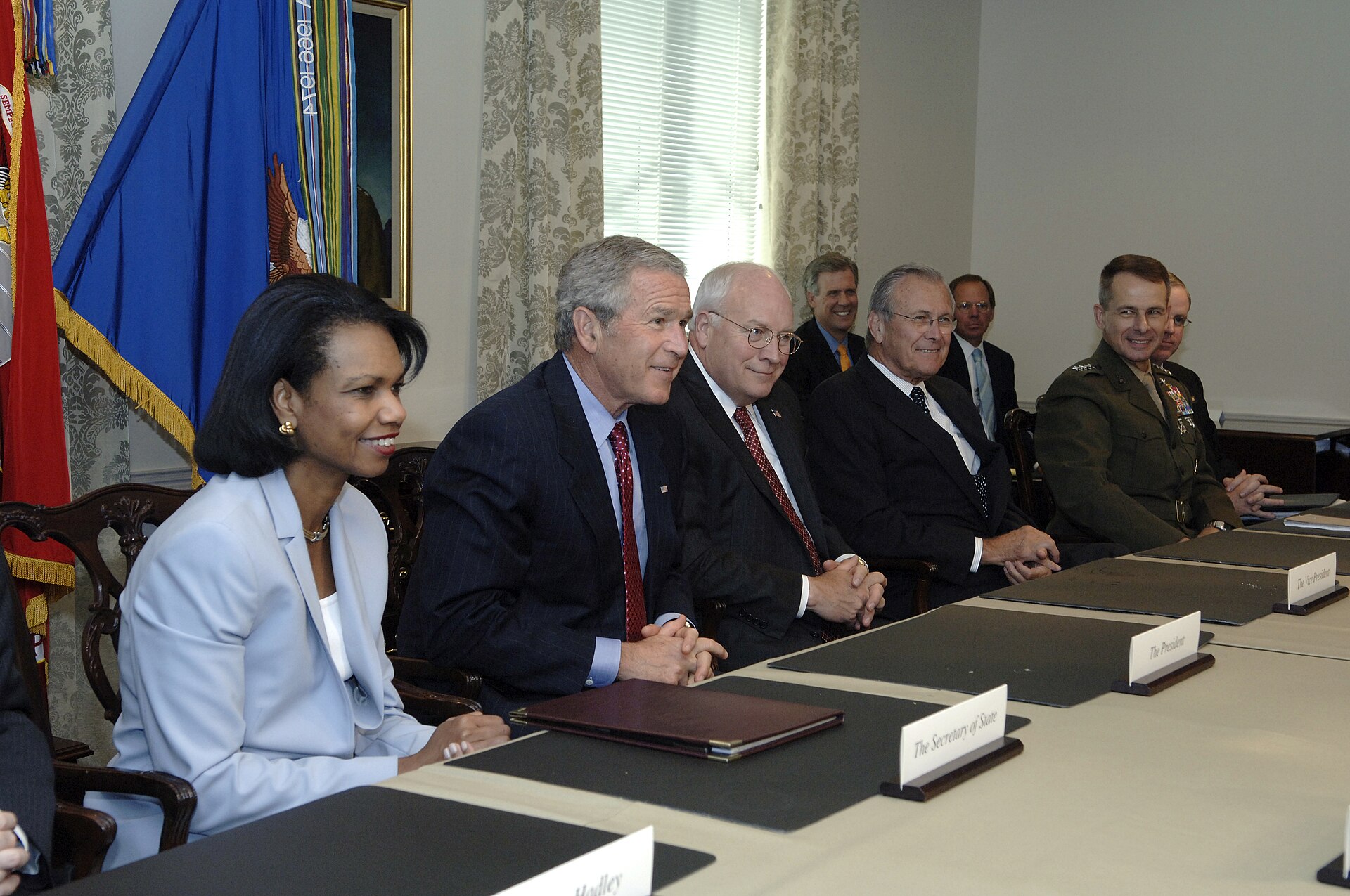
The Neocons Admit Defeat – How Robert Kagan’s Atlantic Article Marks the End of the American Century Robert Kagan, a leading architect of the Project for a New American Century, has declared that the Iran war is a catastrophe and that America has effectively lost. What does it mean when the hawks themselves give up? What does it mean for a project of US imperialism when the people who designed that project publicly declare that it has failed? It means two things. Firstly, curtains for the project in question. Secondly, the prospects for American empire are now extremely grim –…
-
On December 16, 2008, the Federal Open Market Committee (FOMC) did something it had never done before. It cut the federal funds rate—the benchmark interest rate that influences all other borrowing costs in the American economy—to a range of 0 to 0.25% . For all practical purposes, the Fed had pushed rates to zero. The central bank had reached the “zero lower bound,” the point at which conventional monetary policy could not push rates any lower. But the economy was still in free fall. Unemployment was rising. Banks were not lending. The housing market was collapsing. The Fed had used…
-

The Great Recession of 2007-2009 was a financial and economic upheaval unlike any other, with stock market crashes wiping out $16 trillion in household wealth. Job losses soared, with 8.7 million Americans unemployed between 2007 and 2009, creating a prolonged labor market crisis.
-
The 2008 financial crisis was a global catastrophe, beginning with Lehman Brothers’ collapse and rapidly spreading across the globe. European banks were heavily exposed to US subprime mortgages, leading to a domino effect that triggered nationalizations and collapses in countries like Iceland and the UK. The crisis shattered global trade, industrial production, and economies worldwide, highlighting the interconnectedness of financial systems.
Explaining History Podcast
Category: Articles
Articles
/ Articles