-
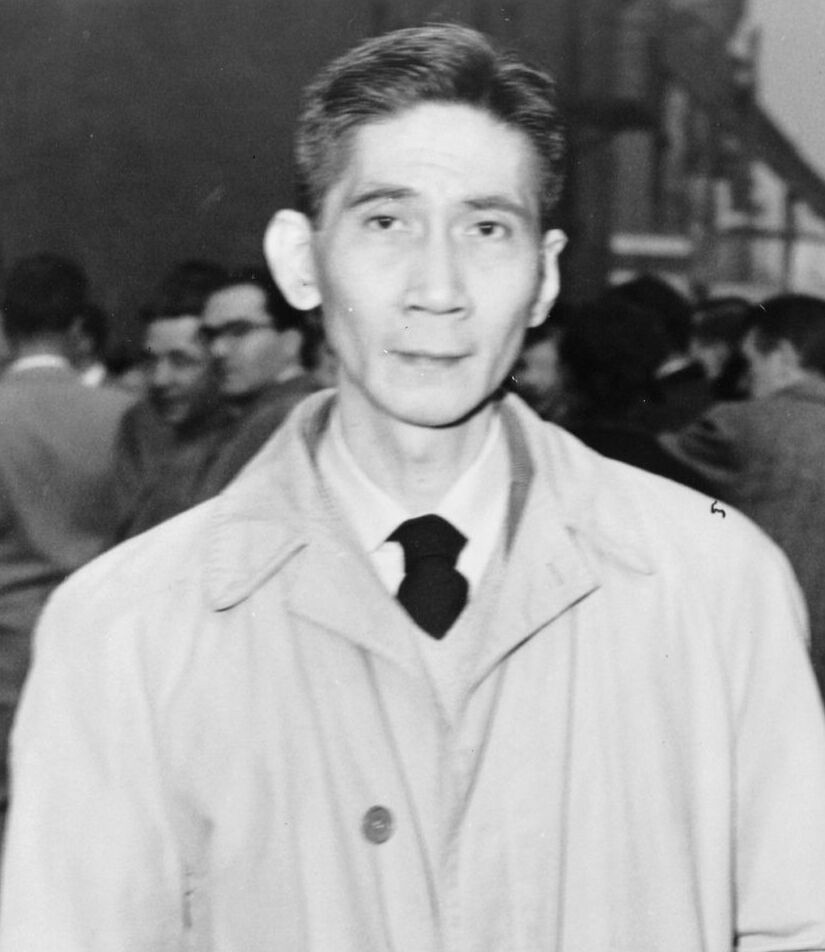
The Philippines’ colonial shift from Spanish to American rule ignited a cultural revolution in the 1920s and 1930s, as Filipino intellectuals, inspired by Rizal, creatively engaged with a new colonial language and ideology. Through literature and art, they challenged and transformed American imperialism, crafting a modern Filipino identity that was both cosmopolitan and uniquely resilient.
-

The evolution of the ‘évolué’ and ‘assimilado’ was a calculated colonial strategy to quell resistance, promising European citizenship in exchange for cultural surrender.
-
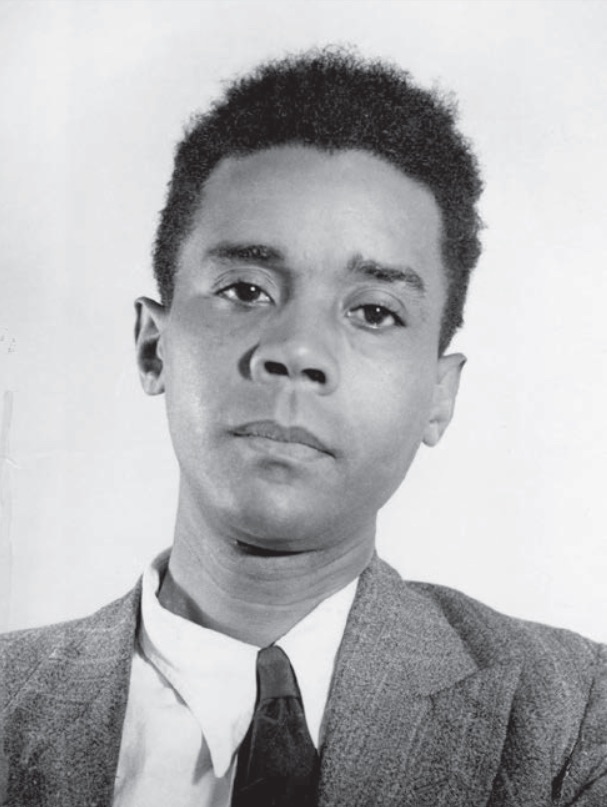
In 1932, Cyril Lionel Robert James embarked on a transformative journey from Trinidad to London, fueled by a passion for abolition and cricket writing. His departure marked the beginning of a broader intellectual movement across the Caribbean and Africa, challenging colonial constraints and forging a global anti-colonial network.
-
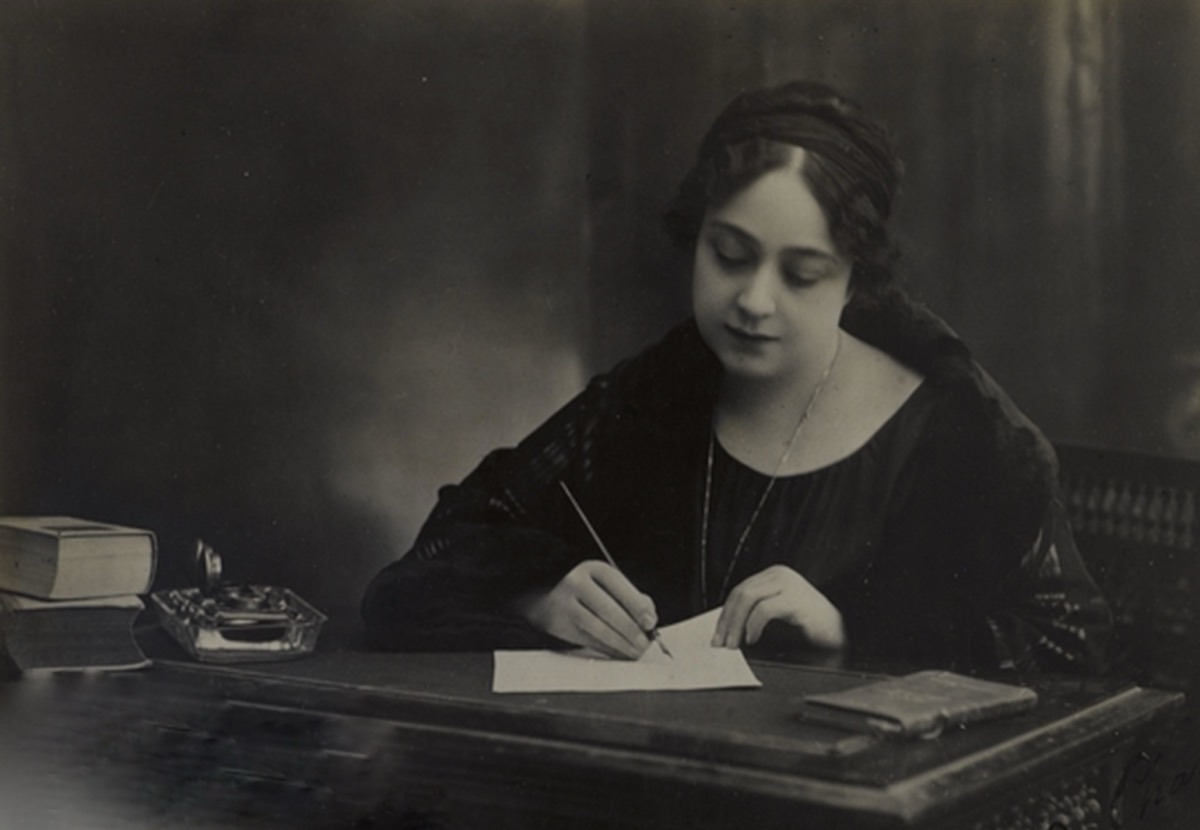
In 1923, Huda Shaarawi’s bold act of removing her veil became a symbol of Egyptian women’s modern awakening and their pivotal role in Egypt’s struggle for independence. This revolutionary gesture marked the start of a new era for women’s rights intertwined with nationalist movements.
-
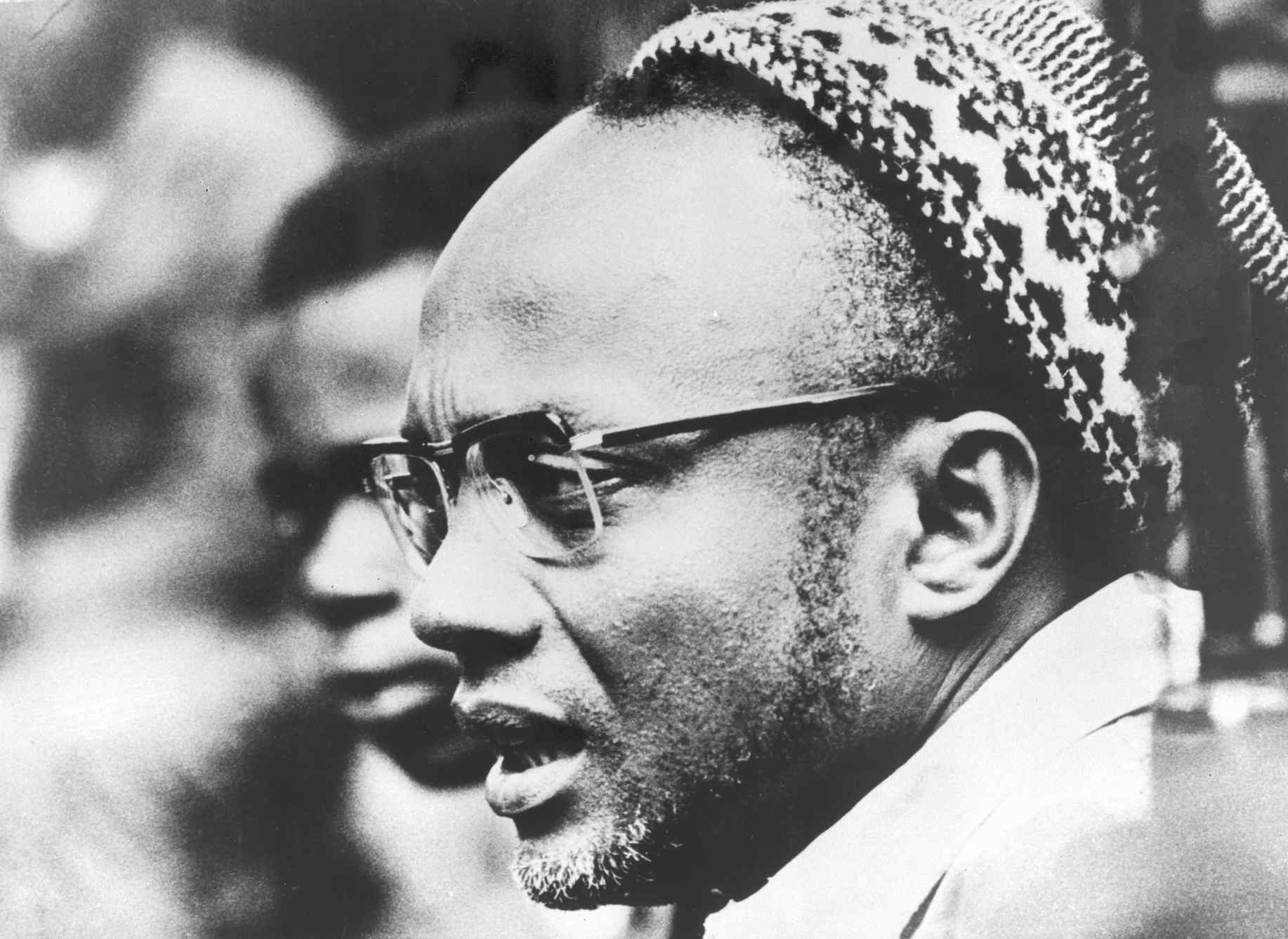
France and Portugal’s assimilation schemes promised citizenship but concealed racial divides, fueling identity crises and revolutionary movements.
-
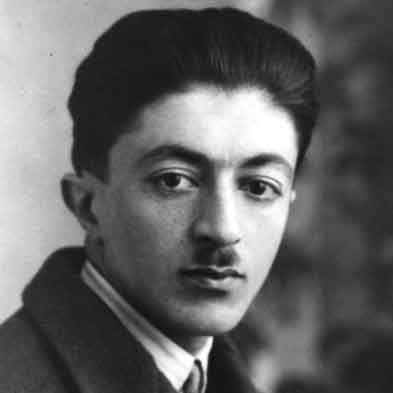
In the turbulent interwar Middle East, Atatürk and Reza Shah Pahlavi launched ambitious modernization campaigns, aiming to transform their societies into secular republics. Their top-down reforms sparked a cultural crisis as they clashed with existential doubts and traditional identities.
-
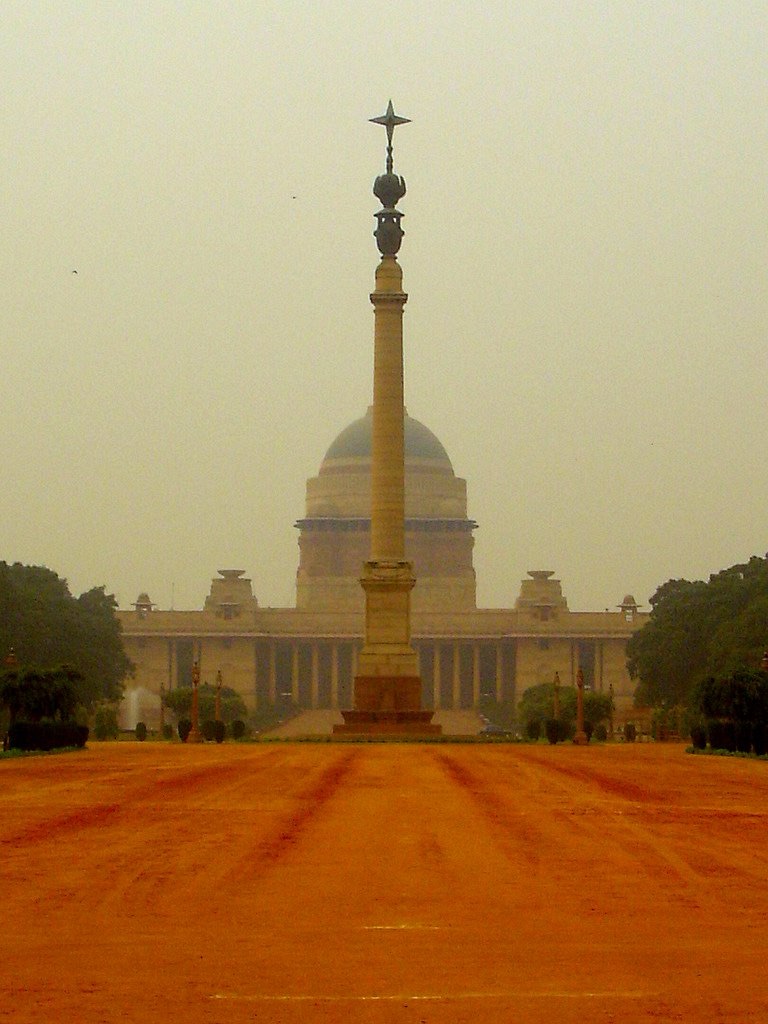
Rabat’s Ville Nouvelle and New Delhi’s architectural feats were not just cities but powerful ideological statements. As French and British architects crafted their grand visions, they visually reinforced colonial hierarchies, leaving a legacy of imperial dreams that proved fragile.
-
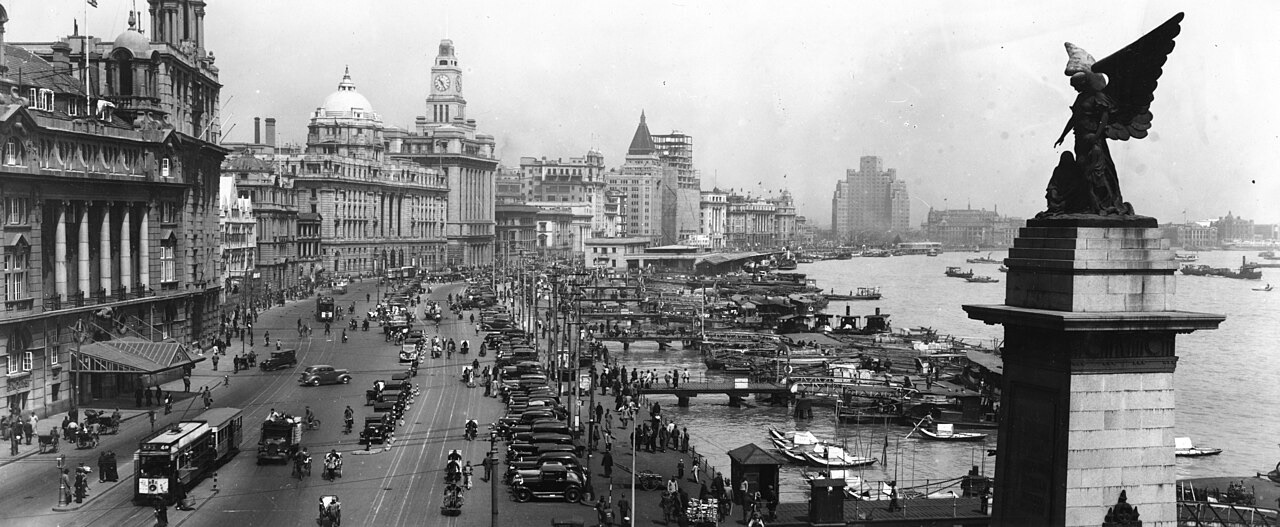
In the vibrant interwar cities of Bombay, Shanghai, and Cairo, modernity exploded with a unique twist. These cosmopolitan metropolises weren’t just imitators of Western ideals; they thrived as dynamic hubs where global influences collided. From art deco cinemas to jazz-filled nightclubs, these cities forged a modern urban culture that challenged colonial dominance and reshaped local traditions.
-
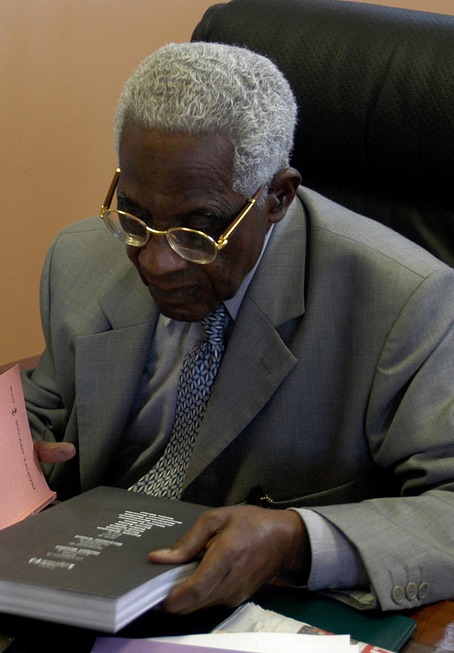
Paris during the interwar period became a crucible for change, where colonial subjects from Africa and the Caribbean catalyzed a cultural revolution known as Négritude. This intellectual movement, spearheaded by Aimé Césaire, Léopold Sédar Senghor, and Léon-Gontran Damas, was not just a literary trend but a bold challenge to French colonialism, reclaiming Black identity and critiquing the empire’s foundations.
-
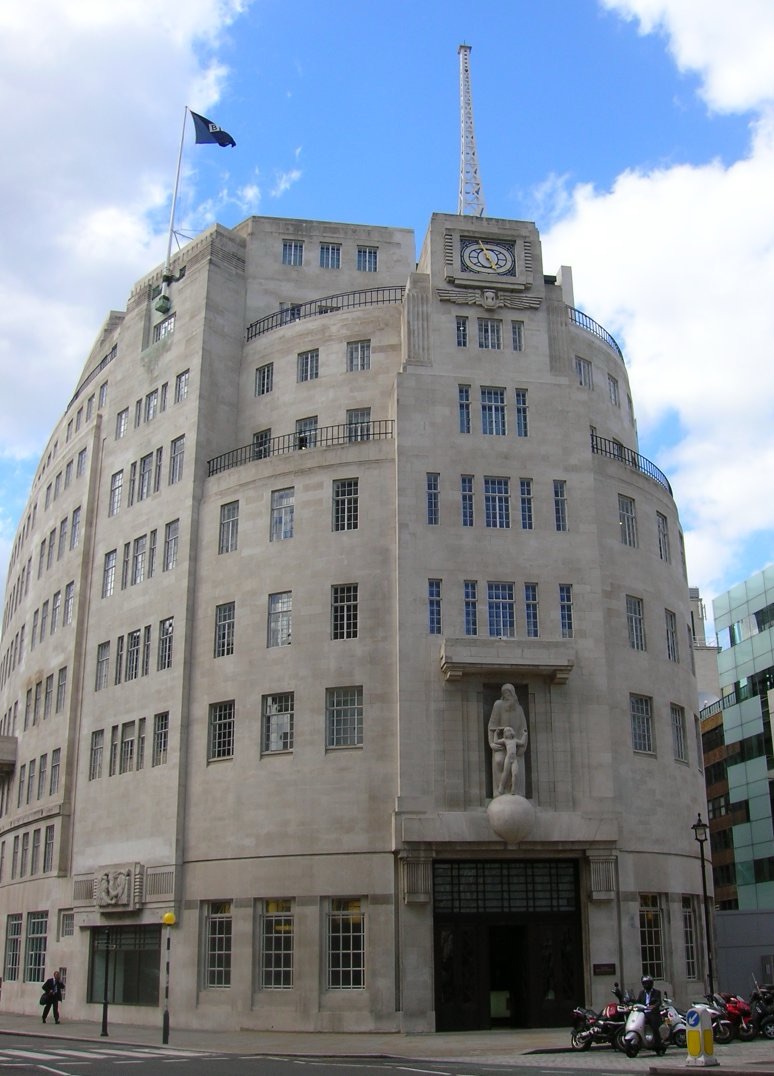
The BBC Empire Service emerged as Britain’s audacious attempt to unify its vast empire via radio waves. This technological marvel aimed to create an imperial consciousness, but reality was far more complex.