-
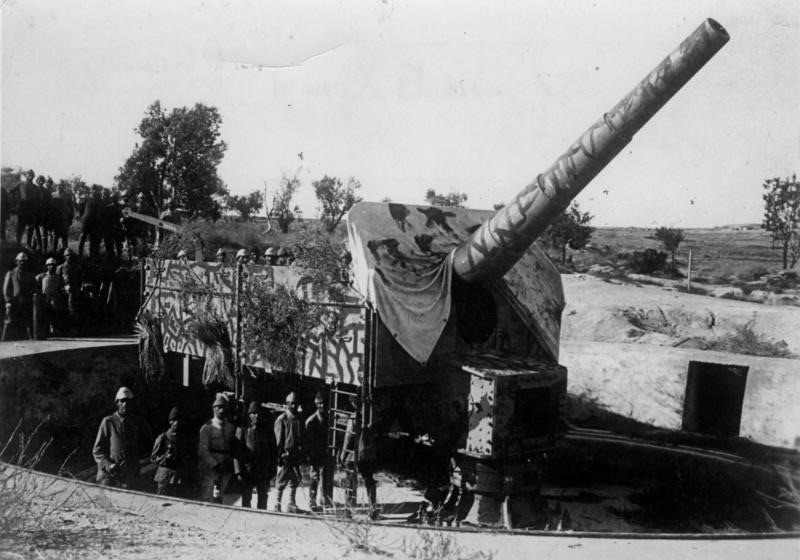
The Gallipoli Campaign, a defining moment in World War I, saw over 130,000 soldiers killed. Its meaning varies by nation: to Australians and New Zealanders, it is the birth of national consciousness; to Turks, a myth of victory; and to the British, a symbol of imperial missteps. This article explores how history and memory shape these divergent national stories.
-
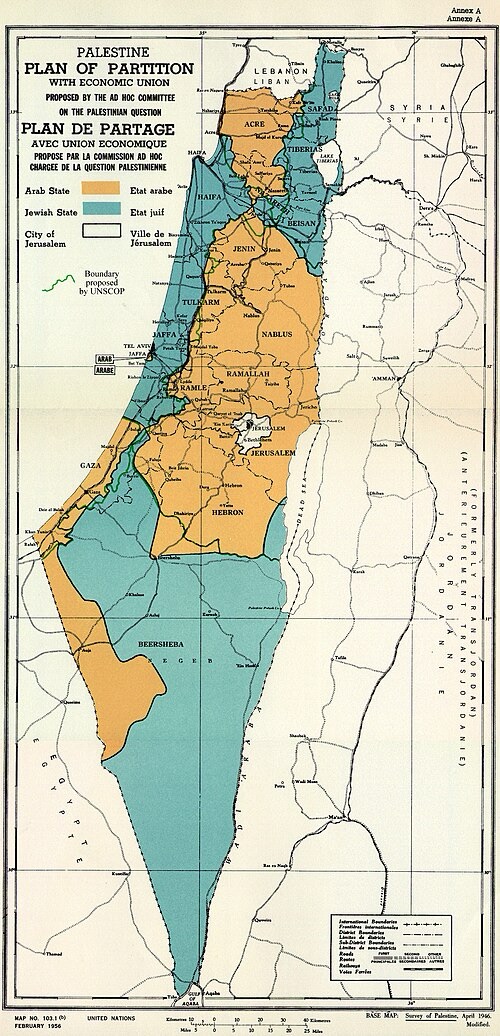
The British withdrawal in 1947-48 triggered simultaneous national traumas, laying the foundation for massive displacement and identity crises.
-

Introduction On April 6, 1971, a confidential telegram arrived at the State Department in Washington, D.C., transmitted from the U.S. Consulate General in Dhaka, East Pakistan. Most dispatches from foreign posts are measured, bureaucratic, and focused on specific policy recommendations or intelligence updates. This cable, designated “Dissent Channel,” was different. It did not merely report facts; it issued a searing indictment of American foreign policy. Drafted by Archer K. Blood, the Consul General, and signed by twenty members of his staff, the message accused the Nixon administration of “moral bankruptcy” in the face of the Pakistani military’s crackdown on the…
-

If the 1970 election was the moment a nation voted almost unanimously for autonomy if not independence, then the military operation that began on the night of March 25, 1971, was the moment that aspiration was met with unimaginable violence. Codenamed Operation Searchlight, this was not a spontaneous outburst of conflict but a meticulously planned and brutally executed military crackdown designed to systematically dismantle the Bengali nationalist movement. Its aim was simple, chilling, and ultimately catastrophic: to terrorize the population, eliminate the political and intellectual leadership of East Pakistan, and crush the spirit of independence in a single, decisive blow.…
-

To what extent was the Luxembourg Agreement of 1952—the reparations treaty between West Germany and Israel—driven by geopolitical necessity for the Federal Republic’s Western integration, and how did Konrad Adenauer navigate overwhelming domestic opposition to forge a “special relationship” with the Jewish state? This article analyzes the genesis and impact of the Luxembourg Agreement (Luxemburger Abkommen) signed between the Federal Republic of Germany, the State of Israel, and the Jewish Claims Conference in 1952. It argues that Chancellor Konrad Adenauer championed this controversial treaty against significant resistance within his own party and the German public, motivated by a convergence of…
-
How did the West German society of the 1950s utilize “communicative silence” as a strategy for social cohesion, and how did the transition from suppressing the Nazi past to confronting it shape the political culture of the Federal Republic? This article explores the complex psychological and legal landscape of West Germany in the decades following World War II. It argues that the immediate post-war period was characterized not by a reckoning with the Holocaust, but by a collective “amnesia” and a focus on German victimhood (expulsion, bombing, POWs). This silence was politically sanctioned by the Adenauer government’s policy of integrating…
-
The story of the Rwandan genocide is often, and rightly, told through the lens of its Rwandan perpetrators and victims. Yet, to assign responsibility solely to the génocidaires who wielded the machetes is to tell only half the story. The 1994 genocide occurred within a global context, one shaped by decades of Western action and inaction. From the colonial laboratories of Europe to the Situation Room in Washington, a chain of decisions—and moral failures—created the conditions for the slaughter and allowed it to proceed with horrifying efficiency. The West, having helped build the tinderbox, then stood by and watched it…
-
Rwanda’s post-genocide story is also a battle over memory. This essay explores how history, denial, and remembrance shape Rwanda today and abroad.
-
Rwanda’s rapid recovery under Paul Kagame combines growth and repression. This essay examines the “Kagame model” of authoritarian development.
-
After the 1994 genocide, Rwanda pursued justice through the ICTR and Gacaca courts—two contrasting systems that defined reconciliation and accountability.