-
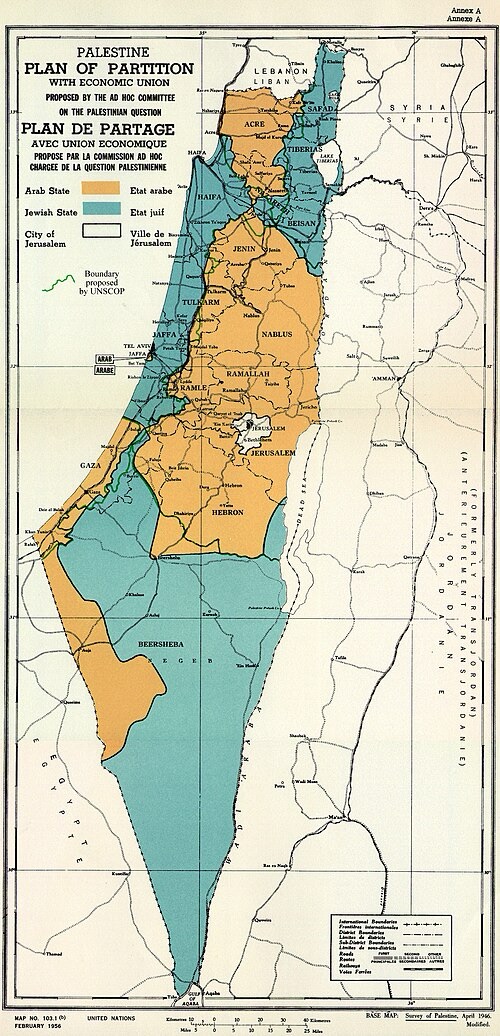
The British withdrawal in 1947-48 triggered simultaneous national traumas, laying the foundation for massive displacement and identity crises.
-
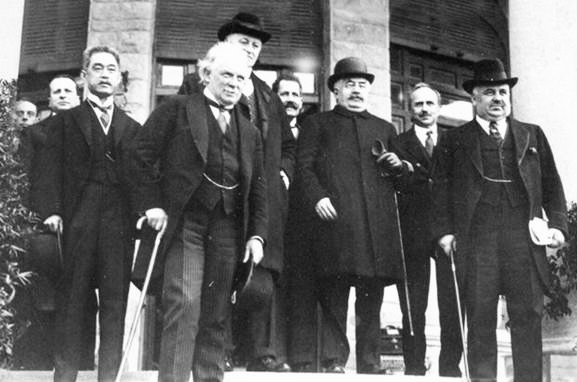
Introduction: The Villa Devachan and the New World Order On April 19, 1920, the Supreme Council of the Allied Powers convened at the Villa Devachan, an ornate Edwardian residence in the Italian resort town of San Remo. The setting was tranquil, overlooking the Mediterranean Riviera, but the business at hand was the definitive partition of the Middle East. For eighteen months following the Armistice of Mudros in October 1918, the fate of the Ottoman Empire’s Arab provinces had existed in a state of suspended animation. British and French armies occupied the terrain from the Levant to Mesopotamia, but the legal…
-
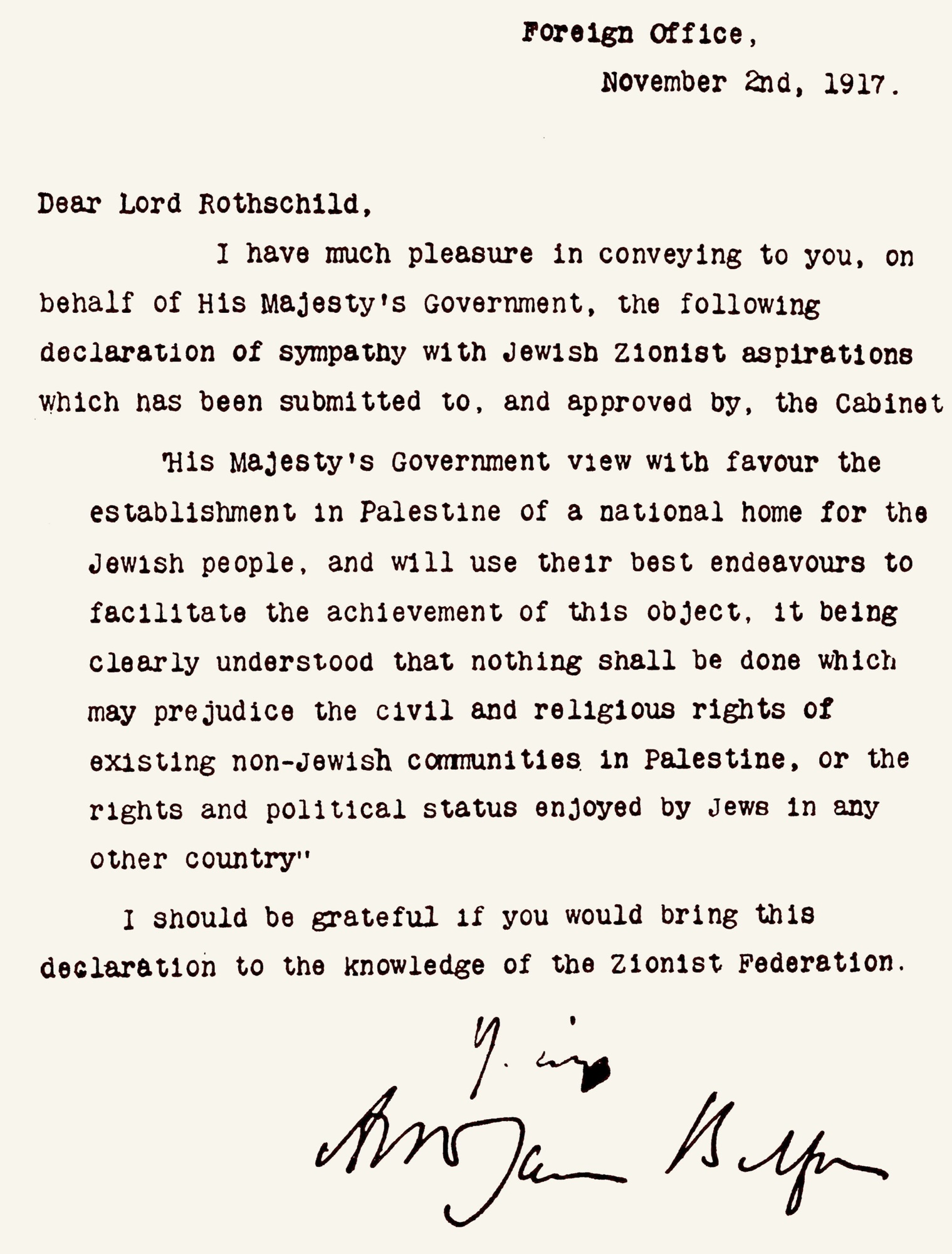
Introduction: The 67 Words That Redrew the Map On November 2, 1917, the British Foreign Secretary, Arthur Balfour, dispatched a private letter to Lord Rothschild, a figurehead of the British Jewish community, for transmission to the Zionist Federation. The text contained within the letter was brief—comprising a mere 67 words of operative policy—but its implications were instrumental in dismantling the geopolitical framework established by the Sykes-Picot Agreement just a year and a half prior. The declaration stated that the British government viewed with favor “the establishment in Palestine of a national home for the Jewish people.” In popular historiography, this…
-

To what extent was the Luxembourg Agreement of 1952—the reparations treaty between West Germany and Israel—driven by geopolitical necessity for the Federal Republic’s Western integration, and how did Konrad Adenauer navigate overwhelming domestic opposition to forge a “special relationship” with the Jewish state? This article analyzes the genesis and impact of the Luxembourg Agreement (Luxemburger Abkommen) signed between the Federal Republic of Germany, the State of Israel, and the Jewish Claims Conference in 1952. It argues that Chancellor Konrad Adenauer championed this controversial treaty against significant resistance within his own party and the German public, motivated by a convergence of…
-
Introduction: Mnemonic Contest as Political Fact The events of 1947-49 constitute the foundational period for the modern Israeli-Palestinian conflict. Their legacy is not a matter of historical scholarship alone but a continuous political struggle over narrative, memory, and legitimacy. The Israeli War of Independence and the Palestinian Nakba (Catastrophe) represent two national interpretations of the same historical process: the end of the British Mandate, war, and the establishment of the State of Israel alongside the displacement of a majority of the Arab Palestinian population. This contest over history is not an ancillary feature of the conflict; it is a central…
-
Introduction: From Yishuv to State—The Forging of a Nation For the Zionist movement, the 1948 War and the subsequent establishment of the State of Israel represented a monumental triumph—the culmination of a half-century of political struggle and settlement. Yet, the declaration of independence on May 14, 1948, was not the end of a journey but the dramatic beginning of a new and even more daunting one. The fledgling state, having secured its sovereignty through a costly war, now faced the immense dual challenge of absorbing a staggering wave of Jewish immigration while simultaneously building the institutions of a modern state…
-
Introduction: The Shock of the Nakba The defeat of the Arab armies in the 1948 War against Israel was not merely a military failure; it was a seismic event that shattered the political and psychological foundations of the Arab world. The loss to a nascent, non-Arab state, perceived by many as an outpost of European colonialism, was so profound that it acquired its own name in Arabic: al-Nakba, the Catastrophe. For the Palestinians, it meant the loss of their homeland and the onset of a refugee crisis. For the broader Arab world, it represented a systemic collapse—a failure of the…
-
Introduction: The Enduring Legacy of Displacement The Palestinian refugee crisis is not merely a historical event confined to the late 1940s; it is a protracted and central feature of the modern Middle East, a continuing saga of displacement, statelessness, and political struggle. It represents one of the most enduring and complex humanitarian issues of the twentieth and twenty-first centuries, its roots entangled in the clash of nationalisms, the aftermath of war, and the failures of international diplomacy. For the Palestinians themselves, the Nakba, or “Catastrophe,” of 1948 is the foundational trauma that shattered their society, dismembered their geographic presence in…
-
In the wake of the 1948 Arab–Israeli War (the Nakba), fighting continued sporadically until mid-1949. Under UN auspices, Israel and each of its neighboring states (Egypt, Jordan, Lebanon, and Syria) signed separate armistice agreements between February and July 1949. These treaties, mediated by UN official Ralph Bunche, were meant to end hostilities but did not create any peace or new state. Instead, they demarcated ceasefire lines – later called the Green Line – which left Israel in control of nearly 78% of historic Palestine . The agreements had profound consequences: they legitimized Israel’s expanded territory, nullified the contiguous Arab state…
-
The 1948 Arab–Israeli War broke out immediately after Israel declared independence on 14 May 1948. Armies of Egypt, Transjordan (Jordan), Syria, Iraq and contingents from Lebanon and other Arab countries entered the British Mandate territory on 15 May, each pursuing its own objectives . Arab leaders claimed they were “liberating” Palestine, but in practice their agendas diverged sharply. Jordan’s King ʿAbdullah sought to annex the West Bank, while Egypt’s King Farouk aimed to stake a claim to Gaza. Syria and Iraq had pan-Arab ambitions of their own. These conflicting goals – underscored by secret British support for ʿAbdullah – severely…