-

In August 1947, Jawaharlal Nehru addressed the Indian Constituent Assembly on the eve of independence: ‘Long years ago we made a tryst with destiny, and now the time comes when we shall redeem our pledge.’ The phrase captured something genuinely extraordinary. But it concealed as much as it revealed. Independence came simultaneously with partition — and the violence that accompanied it remains one of the largest catastrophes of the twentieth century. The tryst with destiny was written in blood before it was written in ink.
-

On 17 December 2010, a twenty-six-year-old street vendor named Mohamed Bouazizi stood outside the regional headquarters of the Tunisian government in the provincial town of Sidi Bouzid, doused himself in paint thinner, and set himself alight. His act of self-immolation became the symbolic catalyst for the most significant wave of popular uprisings in the Arab world since decolonisation. Within weeks, the president of Tunisia had fled. Within months, the presidents of Egypt and Libya had fallen. Within five years, most of those hopes were extinguished.
-
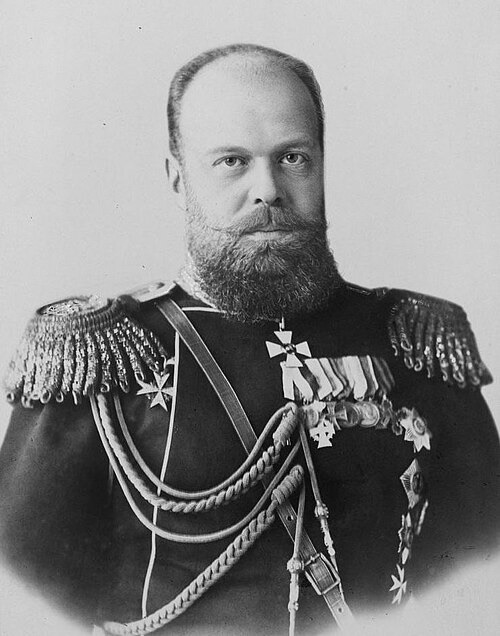
The counter-reforms, Russification and the paradox of a regime that industrialised the economy while forbidding the political change industrialisation everywhere produced.
-
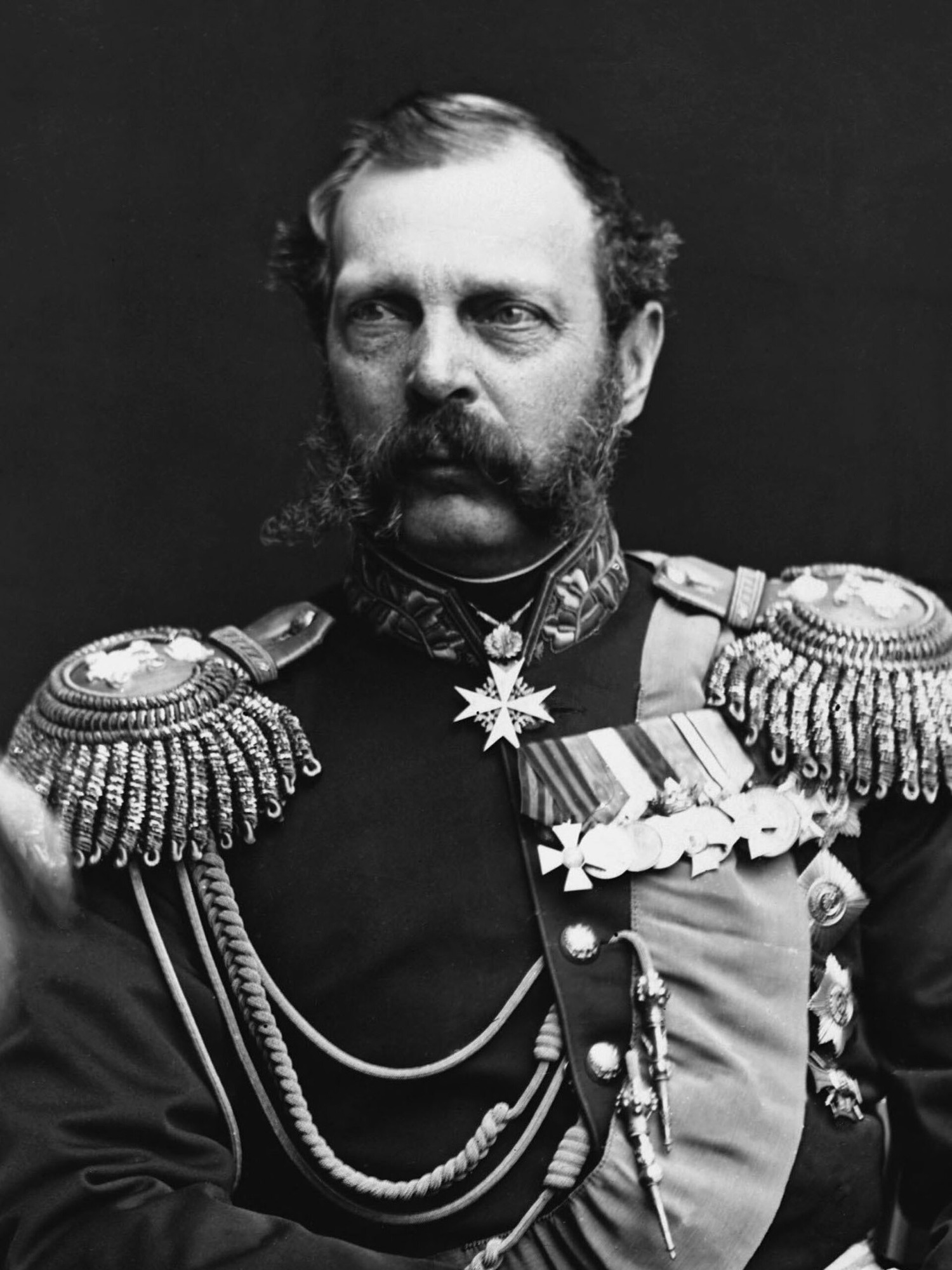
Emancipation, the zemstva, the law courts and the military reforms — and why every Great Reform stopped short of limiting the autocracy that made it.
-

In the latest solo episode of the Explaining History Podcast, I explore the striking parallels between the British Labour Party’s war on Jeremy Corbyn and the Democrat establishment’s growing fear of Zohran Mamdani – and what it tells us about the bankruptcy of the centre-left. The Liberalism That Wasn’t Let’s start with a confession. I used to be irritated by the American right’s habit of calling everything left of centre “liberal”. Fox News pundits would scream about “liberals” as if they were the vanguard of a socialist revolution. And I would think: no, you’re confusing liberalism with the left. They…
-

In 1978, the People’s Republic of China was one of the poorest countries in the world. Its economy had been devastated by the convulsions of the Maoist era — the Great Leap Forward, the Cultural Revolution — and its population of nearly a billion people had a per capita income comparable to sub-Saharan Africa. Forty years later, China was the world’s second-largest economy, the largest manufacturer, the largest trading nation, and a military and technological power whose capacities no other country could ignore. The transformation was without precedent in the history of economic development.
-

On the morning of 11 September 2001, nineteen men boarded four commercial aircraft on the east coast of the United States and turned them into weapons. By the time the day was over, nearly 3,000 people were dead, two of the most recognisable buildings in the world had collapsed, and the most powerful government on earth had begun the process of deciding what it would do in response. The decisions it made over the following months and years reshaped the world in ways that are still being reckoned with.
-

In 1962, Rachel Carson published a book about pesticides. It was written in a style more usually associated with poetry than with science, and it argued that the application of synthetic chemicals to the natural world was producing consequences that no one had planned and that no one had yet begun to measure. The book did not save the environment. But it created the political and cultural conditions in which saving the environment became thinkable.
-
The conflict between Israelis and Palestinians is sometimes described as ancient, and it is not. It is a modern conflict, born of the specific conditions of the late nineteenth century — the rise of nationalism, the decline of empire, the crisis of European Jewry — and of the specific decisions taken by specific people in the first half of the twentieth century. Understanding it requires going back to those origins, without assuming that the outcome was in any way inevitable.
-
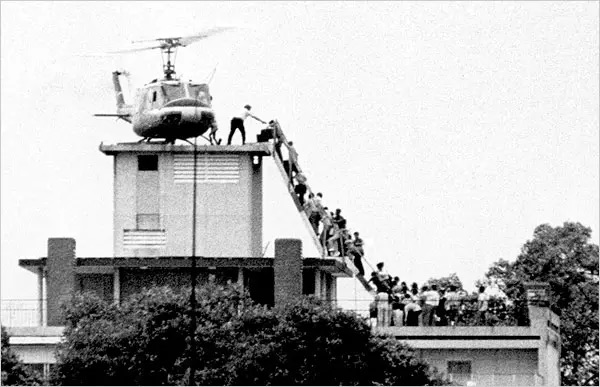
The United States spent more than a decade in Vietnam, dropped more bombs on it than were dropped by all sides in the Second World War, and lost. The defeat was not primarily military. It was political, strategic, and ultimately moral: a failure to understand what the war was, who it was against, and what winning would have required.