-
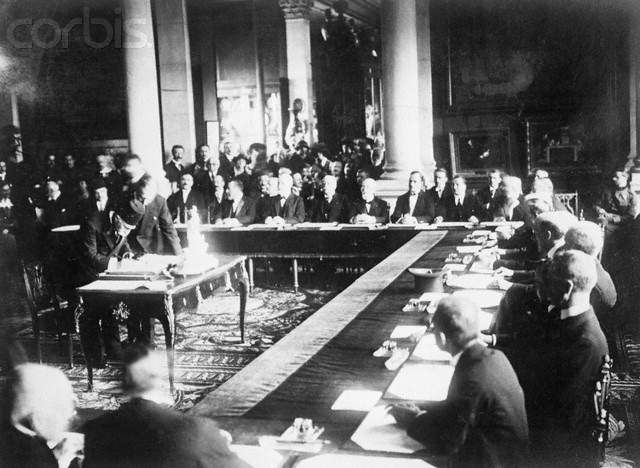
An evidence-led guide to the Kurdish provisions of Sèvres, their failure, the Lausanne settlement and the later decision over Mosul.
-
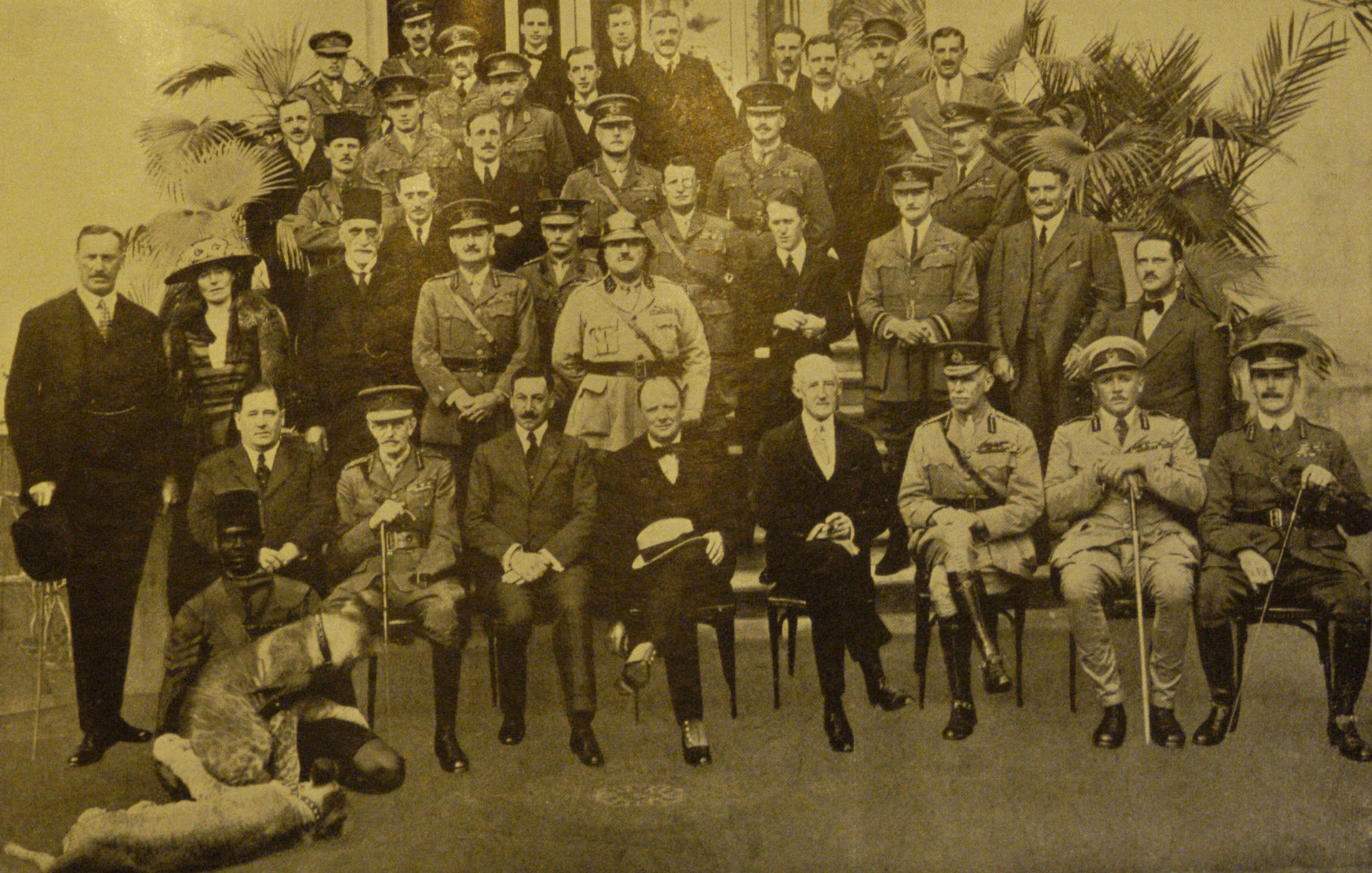
Introduction: The “Forty Thieves” at the Semiramis Hotel On March 12, 1921, a convoy of official vehicles arrived at the Semiramis Hotel on the banks of the Nile in Cairo. Emerging from the cars was a gathering of British officials that arguably represented the greatest concentration of imperial expertise ever assembled in one location. At the center of the group was Winston Churchill, the newly appointed Secretary of State for the Colonies. Flanking him were figures who had already passed into the realm of legend: T.E. Lawrence (“Lawrence of Arabia”), Gertrude Bell (the “Uncrowned Queen of Iraq”), Sir Percy Cox…
-
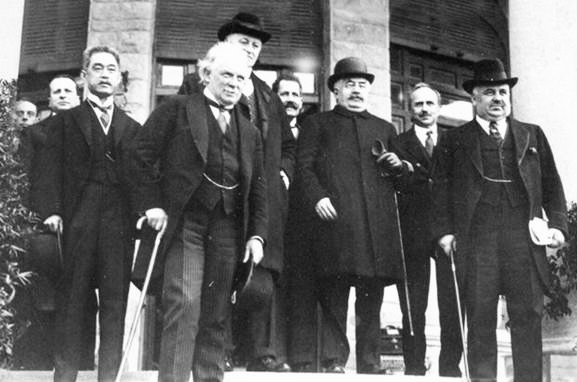
Introduction: The Villa Devachan and the New World Order On April 19, 1920, the Supreme Council of the Allied Powers convened at the Villa Devachan, an ornate Edwardian residence in the Italian resort town of San Remo. The setting was tranquil, overlooking the Mediterranean Riviera, but the business at hand was the definitive partition of the Middle East. For eighteen months following the Armistice of Mudros in October 1918, the fate of the Ottoman Empire’s Arab provinces had existed in a state of suspended animation. British and French armies occupied the terrain from the Levant to Mesopotamia, but the legal…
-

Introduction: The End of Secret Diplomacy In late November 1917, the newly established Soviet government in Petrograd initiated a diplomatic offensive that would shake the foundations of the Entente alliance and fundamentally alter the political trajectory of the Middle East. Following the Bolshevik seizure of power earlier that month, Leon Trotsky, the People’s Commissar for Foreign Affairs, authorized the seizure of the Russian Ministry of Foreign Affairs’ archives. His objective was not to conduct diplomacy, but to dismantle the “bourgeois” system of international relations that had precipitated the Great War. Trotsky ordered the publication of the secret correspondence and treaties…