-

In the summer of 1914, the Ottoman Empire faced a world of enemies. Surrounded by voracious powers – Britain in Egypt, Russia along the Black Sea, a hostile Habsburg Empire to the west, and a recently hostile Italy in the Mediterranean – the Young Turks who ruled the empire saw enemies everywhere. Their desperate gamble to cut the Suez Canal would become one of the most audacious – and doomed – campaigns of the First World War.
-
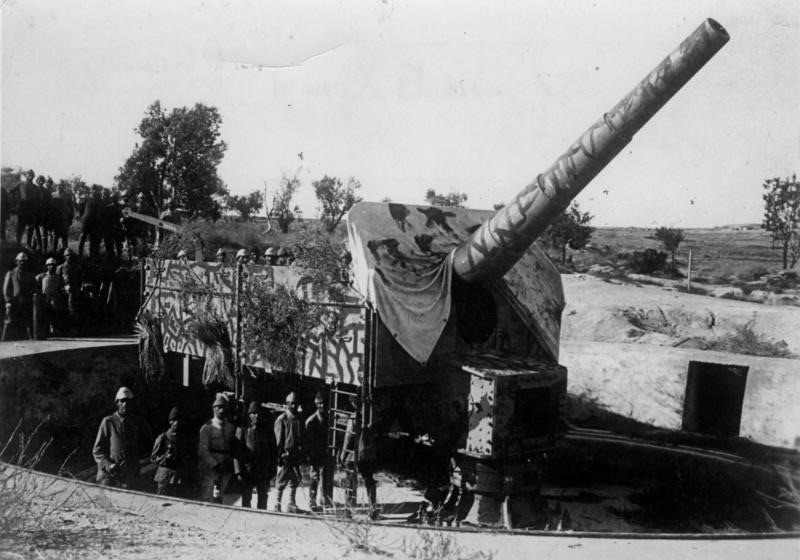
The Gallipoli Campaign, a defining moment in World War I, saw over 130,000 soldiers killed. Its meaning varies by nation: to Australians and New Zealanders, it is the birth of national consciousness; to Turks, a myth of victory; and to the British, a symbol of imperial missteps. This article explores how history and memory shape these divergent national stories.
-

The Ottoman Empire’s capture of Allied prisoners during WWI was staggering, with estimates between 100,000 and 150,000, while the Allies seized a similar number. These figures make the Ottoman theater one of the major sites of contention for captives.
-
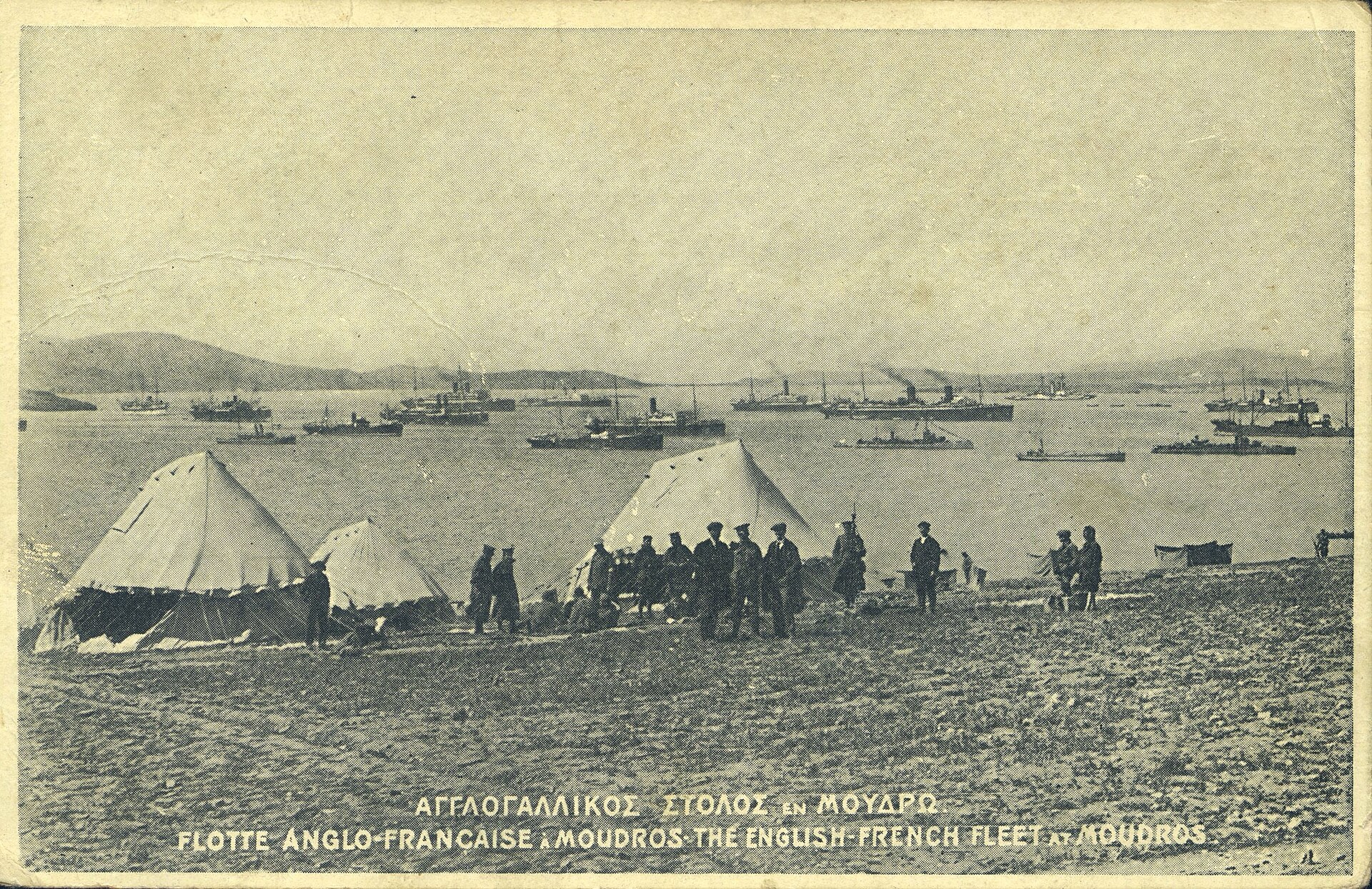
The signing of the Armistice of Mudros in 1918 was a surrender that dismantled the Ottoman Empire, paving the way for the emergence of modern Turkey and altering Middle Eastern geopolitics forever
-
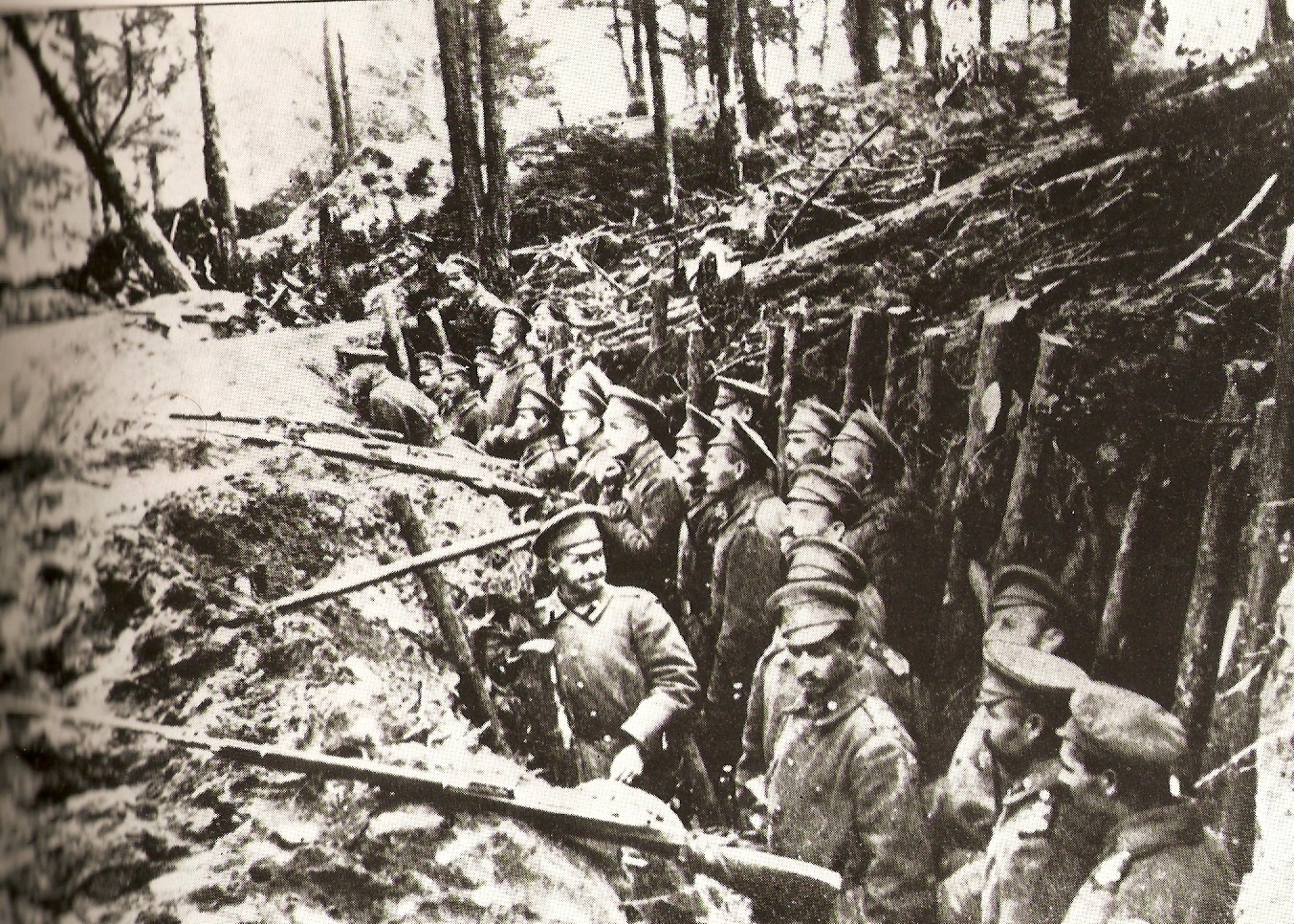
The Ottoman Third Army’s disastrous winter offensive at Sarikamish in 1914 highlighted the brutal realities of the First World War, with 60,000 to 80,000 casualties from harsh conditions. This pivotal battle set the stage for the complex ethnic conflicts that reshaped the Caucasus region.
-

The Mesopotamian campaign, often overshadowed by Gallipoli and the Western Front, marked a turning point for both empires. For Britain, it was a catastrophic failure, while the Ottomans capitalized on familiar ground, showcasing their strategic prowess.
-

The Ottoman Empire’s bold but ultimately failed assault on the Suez Canal in 1915 revealed the harsh realities of war and exposed its strategic vulnerabilities. This early military operation sought to sever British communications and incite an uprising but highlighted the fragile nature of Ottoman military planning.
-

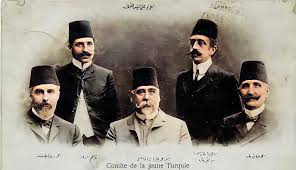
When we think of the revolutions that shaped the 20th century, our minds naturally drift to 1917. The collapse of the Romanov dynasty and the rise of the Bolsheviks is the central drama of modern history. However, almost a decade earlier, another great empire underwent a convulsion that was just as significant for the future of the Middle East and Europe.
-
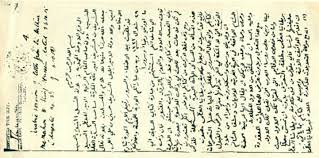
Introduction: The Geometry of a Wartime Alliance In July 1915, a courier traveling from Mecca arrived at the British residency in Cairo carrying a letter addressed to the High Commissioner, Sir Henry McMahon. The letter was signed by Hussein bin Ali, the Sharif of Mecca and the Emir of the Hejaz. It contained a proposal that would fundamentally alter the British strategy in the Middle East: an offer to launch an armed uprising against the Ottoman Empire in exchange for British recognition of an independent Arab state. Over the next eight months, a series of ten letters were exchanged between…
-
Introduction: The Eastern Question and the Balance of Power By the summer of 1914, the “Eastern Question”—the diplomatic shorthand used by European chancelleries to describe the problem of the Ottoman Empire’s territorial disintegration—had ceased to be a theoretical concern and had become an immediate strategic crisis. For nearly a century, the European powers had managed the decline of the Ottoman state through a complex system of checks and balances. The survival of the Empire was not born of Ottoman strength, but of European rivalry; the Great Powers preferred a weak Ottoman buffer to a chaotic vacuum or, worse, the dominance…