-

Introduction: The General at the Tomb On July 25, 1920, French troops led by General Henri Gouraud entered Damascus. They had just routed the Arab forces at the Battle of Maysalun, ending the short-lived dream of an independent Arab Kingdom in Syria. According to a persistent, though historically debated, anecdote, one of Gouraud’s first acts upon entering the city was to visit the tomb of Saladin, the legendary sultan who had expelled the Crusaders from Jerusalem in the 12th century. Standing before the sepulcher, the French High Commissioner is said to have declared, “Saladin, we have returned.” Whether the event happened…
-
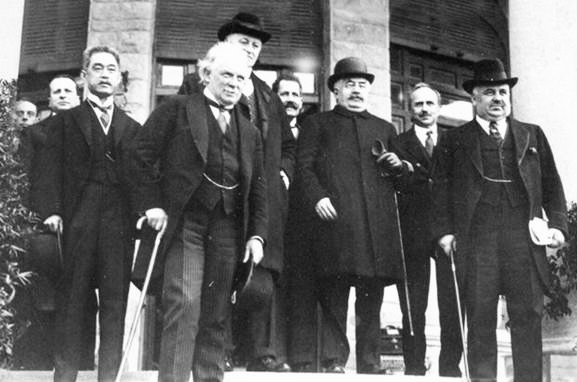
Introduction: The Villa Devachan and the New World Order On April 19, 1920, the Supreme Council of the Allied Powers convened at the Villa Devachan, an ornate Edwardian residence in the Italian resort town of San Remo. The setting was tranquil, overlooking the Mediterranean Riviera, but the business at hand was the definitive partition of the Middle East. For eighteen months following the Armistice of Mudros in October 1918, the fate of the Ottoman Empire’s Arab provinces had existed in a state of suspended animation. British and French armies occupied the terrain from the Levant to Mesopotamia, but the legal…
-
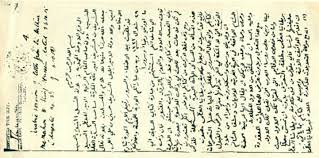
Introduction: The Geometry of a Wartime Alliance In July 1915, a courier traveling from Mecca arrived at the British residency in Cairo carrying a letter addressed to the High Commissioner, Sir Henry McMahon. The letter was signed by Hussein bin Ali, the Sharif of Mecca and the Emir of the Hejaz. It contained a proposal that would fundamentally alter the British strategy in the Middle East: an offer to launch an armed uprising against the Ottoman Empire in exchange for British recognition of an independent Arab state. Over the next eight months, a series of ten letters were exchanged between…
-

Introduction: The Arab World Meets Bandung In April 1955, as the leaders of twenty-nine newly independent states gathered in Bandung, Indonesia, one figure stood out among the delegates from the Arab world — Gamal Abdel Nasser, Egypt’s thirty-seven-year-old prime minister. Barely three years after seizing power in Cairo, Nasser was already emerging as the defining voice of Arab nationalism. The Bandung Conference gave him a platform to link the Arab struggle against imperialism with the broader Afro-Asian movement. The Bandung Conference, hosted by Indonesia’s President Sukarno, was the first large-scale gathering of postcolonial leaders from Asia and Africa. Its aim…