-
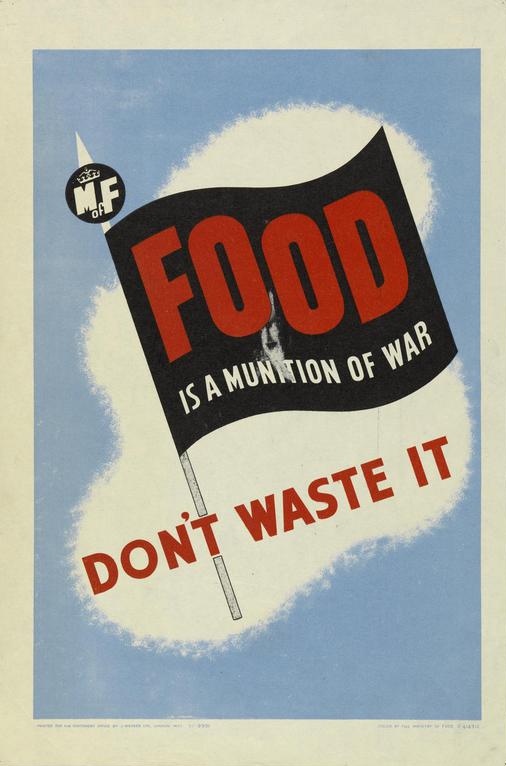
When the First World War began in 1914, nations discovered that modern war required more than guns and factories. It needed imagination. The conflict would be fought not only on the battlefield but in newspapers, cinemas, schools, and living rooms. For the first time, governments set out to manage what people felt. Posters, songs, films, and radio broadcasts became weapons in a struggle for morale. The same technologies that had been used to sell soap and cigarettes were now used to sell sacrifice and endurance. The twentieth century’s wars were also wars of culture — battles to control the stories…
-

When a British housewife bought a bar of soap in 1905, the label on the box might have shown a tanned African child smiling beside a mound of white suds. When a Frenchman poured a cup of coffee, the poster above his café table might have displayed exotic figures from Africa or Indochina bringing the beans to Europe’s ports. Such images were everywhere, and their message was clear: empire was not only a political system—it was a way of consuming the world. In the early twentieth century, advertising became one of the key cultural technologies of empire. It taught Europeans…
-
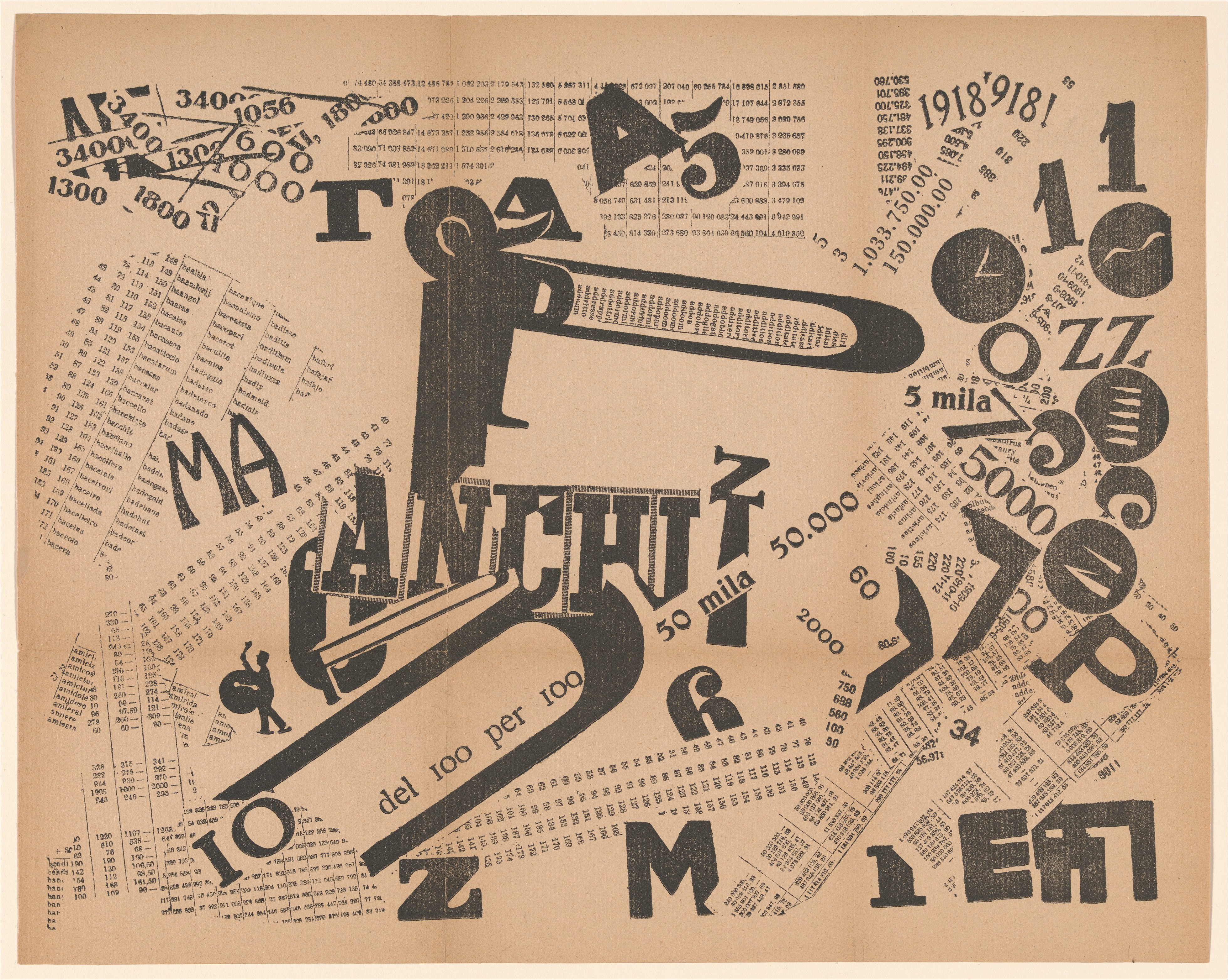
When Filippo Tommaso Marinetti’s Futurist Manifesto exploded across the front page of Le Figaro in February 1909, readers encountered not just new ideas but a new rhythm of language. Words shouted, lines fragmented, punctuation vanished. The manifesto didn’t simply describe modernity—it performed it. In the early twentieth century, artists and writers across Europe discovered that the printed page itself could be a weapon of revolution. Typography, layout, and design became expressions of speed, shock, and rebellion. From the Futurists in Italy to the Dadaists in Zurich, from the Constructivists in Russia to the Bauhaus in Germany, a generation of radicals…
-

When people in the early twentieth century first heard their own voices played back or saw themselves captured on film, it must have felt like magic. For the first time in history, sound and sight could be detached from the human body and replayed at will. Music no longer needed a performer; memory no longer relied on recollection. These new technologies—the phonograph, the camera, and eventually the cinema—did more than record experience; they changed what experience was. They created a culture of mechanical reproduction that reshaped how people felt, remembered, and imagined the world. The Invention of Mechanical Memory Edison…
-
At the dawn of the twentieth century, a new kind of journalism was born—one less interested in Parliament or policy than in people. Its headlines shouted rather than spoke, its photographs peered rather than illustrated, and its purpose was not to inform so much as to fascinate. The tabloid press changed the relationship between the public and the private. It invited readers to look inside other people’s lives and, in doing so, helped create one of the defining features of modern society: celebrity. This is the story of how gossip became news, how fame became a profession, and how mass…
-
In the modern age, no group has been more closely watched, analysed, and marketed to than women. From the moment department stores opened their doors and glossy magazines landed on parlour tables, women became both the chief subjects and targets of a new consumer culture. They were encouraged to see shopping as liberation, appearance as self-expression, and consumption as participation in modern life. But behind this glittering promise lay a complicated reality. The same culture that invited women into the marketplace also confined them within its images. This is the story of how women, fashion, and media reshaped one another—from…
-
In the middle decades of the twentieth century, a curious phenomenon took hold across the world. In the cafés of Paris, the billboards of Rio, and the factories of Moscow, a new kind of modernity arrived—one that spoke with an American accent. The products were familiar enough: a bottle of Coca-Cola, a film from Hollywood, a gleaming automobile made on Ford’s assembly line. But what they sold went far beyond their physical form. They promised a way of life. From the 1920s to the end of the Cold War, America exported not only goods but values: efficiency, freedom, abundance, and…
-
Walk through a European city at the turn of the twentieth century, and the streets themselves would have looked like an art gallery. Posters—bright, bold, and impossible to ignore—covered walls, railway stations, and cafés. They advertised everything from plays and cabaret performances to soap, bicycles, and cigarettes. For the first time in history, visual art had escaped the museum. It was public, democratic, and everywhere. From Toulouse-Lautrec’s bohemian Paris to the functional precision of the Bauhaus, posters became the defining visual language of modern life. They merged art and advertising, pleasure and persuasion, and turned the modern city into a…
-
By the turn of the twentieth century, the modern magazine had become one of the defining artefacts of everyday life. Its glossy pages, serialized stories, household tips, advertisements, and celebrity profiles created a shared cultural universe that crossed class, gender, and geography. From The Strand in London to The Saturday Evening Post and Ladies’ Home Journal in America, the mass-market magazine was both mirror and motor of modernity. This essay explores how the magazine transformed reading from private act to collective experience, how it helped invent celebrity culture, and how its gendered and serialized content reshaped the rhythms of modern…
-
In the early decades of the twentieth century, a revolution took place in how ideas, objects, and emotions were sold. The advertisement—once a blunt announcement of availability—became a finely crafted cultural artefact. New agencies such as J. Walter Thompson and theorists like Claude Hopkins professionalised persuasion, turning art, psychology, and data into instruments of commerce. In doing so, they helped create the modern landscape of consumer identity. This essay explores advertising’s transformation from informational notice to aesthetic experience. It examines how agencies learned to design desire itself, how images began to promise happiness and belonging, and how thinkers like Walter…