-
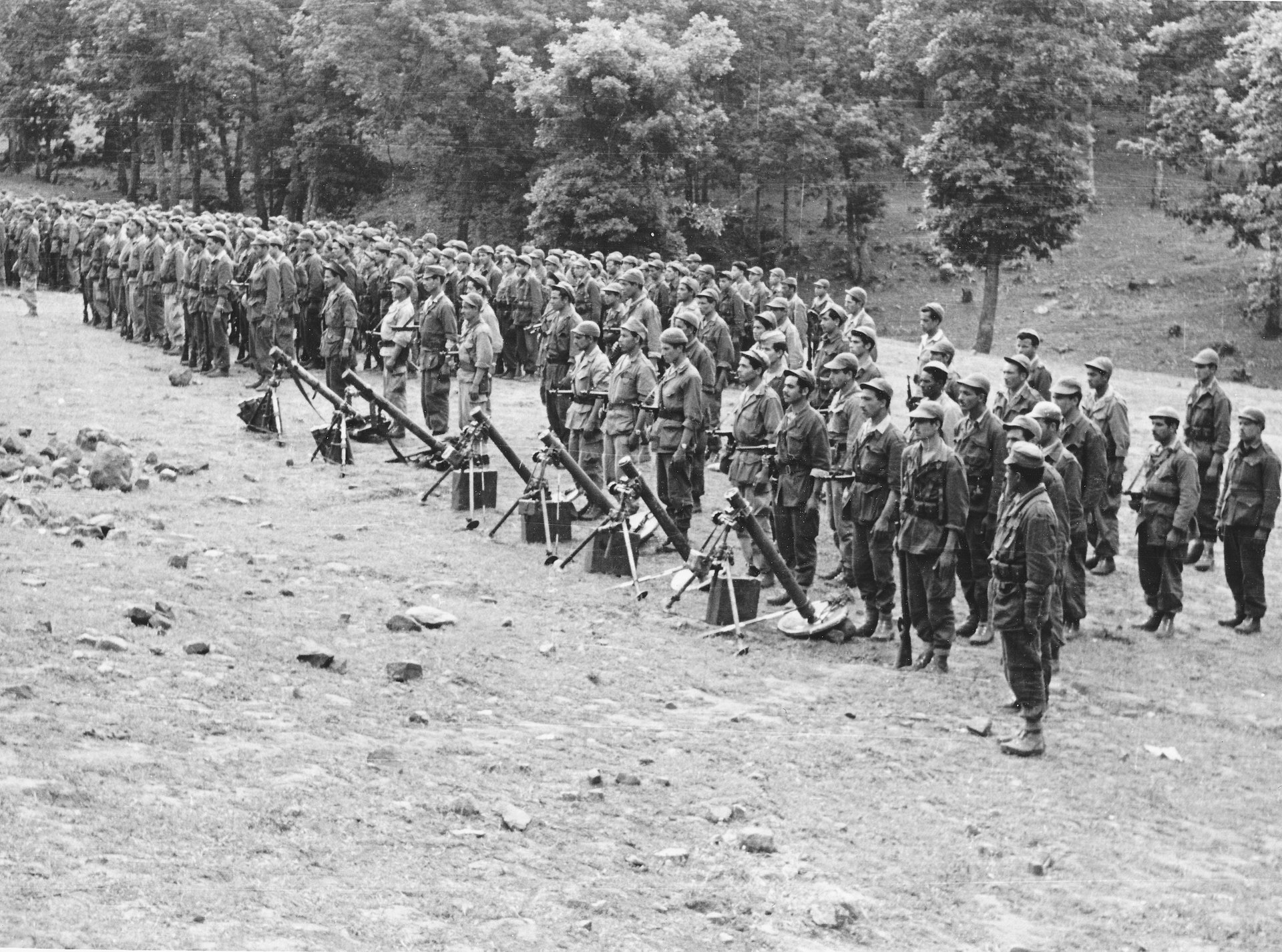
On 1 November 1954, a series of coordinated attacks across Algeria announced the birth of a new organisation and the start of a conflict that would, over the next seven and a half years, kill somewhere between three hundred thousand and a million people — the uncertainty in that figure is itself historically significant — and fundamentally transform both Algeria and France.
-
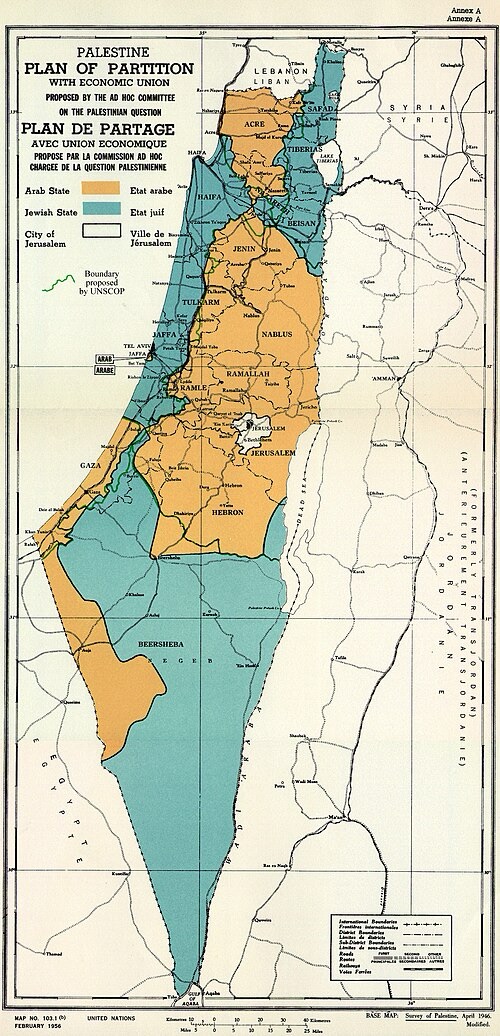
The British withdrawal in 1947-48 triggered simultaneous national traumas, laying the foundation for massive displacement and identity crises.
-

Kwame Nkrumah is often remembered in two dimensions: as the charismatic politician who led Ghana to independence and as the authoritarian president whose government was overthrown by a coup. Between these two points lies a third, more complex figure: Kwame Nkrumah the political philosopher. He was one of the most prolific writer-theorists among the first generation of post-colonial African leaders, producing a body of work that sought not only to explain the world but to radically change it. His ideology was not a static doctrine but an evolving synthesis, a ambitious and often fraught attempt to weave together strands of…
-
The year 1960 stands as an unparalleled watershed in the history of the twentieth century. In a single, dizzying twelve-month period, seventeen African nations raised their flags in sovereignty, transforming the political map of the world and irrevocably altering the dynamics of the Cold War, the United Nations, and the very concept of global politics. This unprecedented wave of decolonization did not occur in a vacuum; it was the culmination of decades of anti-colonial resistance, accelerated by the shifting tectonics of post-war geopolitics and catalyzed by the powerful precedent set by Ghana’s independence in 1957. Dubbed the “Year of Africa”…
-
Introduction The United States’ involvement in the First Indochina War represents a crucial chapter in the history of American foreign policy, marking the initial phase of what would become deep military commitment in Southeast Asia. This period witnessed the fundamental transformation of American policy from relative disinterest to substantial engagement, establishing patterns that would characterize later involvement in Vietnam. The evolution of American policy during this conflict reveals the powerful influence of Cold War mentality on foreign policy decision-making, the tensions between anti-colonial traditions and containment imperatives, and the early manifestations of what would later be termed “mission creep” in…
-
Introduction Conventional histories of the First Indochina War often emphasize military campaigns, battlefield tactics, and great power involvement while neglecting the crucial political dimension that ultimately determined the conflict’s outcome. This article argues that the struggle for political legitimacy and popular support constituted what might be termed “the other war”—a parallel contest that proved equally important to military operations in deciding Vietnam’s future. While French Union forces frequently prevailed in conventional engagements, they consistently lost the political struggle for Vietnamese allegiance, ensuring that military victories remained ephemeral and ultimately meaningless. The political dimension of revolutionary warfare encompasses what contemporary analysts…
-
Introduction The Geneva Conference of 1954 stands as one of the most consequential diplomatic gatherings of the Cold War era, a watershed moment that simultaneously ended French colonial rule in Indochina while planting the seeds for America’s catastrophic involvement in Vietnam. Convened from April to July 1954, the Conference occurred against the dramatic backdrop of the French military collapse at Died Bien Phu and increasing great power anxiety about potential American intervention. Traditional narratives of the Conference often present it as a reasonable compromise that ended a bloody conflict, but this interpretation obscures the fundamental tensions and betrayals that characterized…
-
Introduction The Battle of Dien Bien Phu was one of the most consequential military engagements of the twentieth century, a dramatic siege that effectively ended French colonial rule in Asia and announced the arrival of revolutionary warfare as a decisive force in international relations. From March to May 1954, in a remote valley in northwestern Vietnam, the French Union forces and the Viet Minh revolutionary army engaged in a brutal confrontation that would defy conventional military expectations and alter the geopolitical landscape of Southeast Asia. This battle represents far more than a military encounter; it embodies the culmination of eight…
-
Introduction The French defeat in Indochina represents one of the most consequential military failures of the decolonization era, a conflict where a modern European army possessing technological superiority, professional military leadership, and substantial international support was defeated by a revolutionary movement initially armed with little more than determination and popular support. Conventional explanations focusing on military setbacks or Viet Minh resilience obscure the deeper structural and conceptual failures that doomed the French effort from its inception. This article argues that the French defeat resulted from a comprehensive failure to understand and effectively counter revolutionary warfare, manifested through flawed military doctrine,…
-
Table of Contents 1. Introduction: The Architect of Victory In the military history of the 20th Century, few figures have a legacy as significant and complex as General Vo Nguyen Giap. The principal military commander of the Viet Minh and later the People’s Army of Vietnam (PAVN), Giap orchestrated stunning victories against two of the 20th century’s most formidable Western powers: France and the United States. His career spanned decades of conflict, transforming a ragtag band of guerrillas into a disciplined, conventional force capable of achieving national liberation. This article delves into Giap’s military philosophy and strategy, dissecting the evolution…