-
In this week’s podcast, I attempted to synthesize the current moment, drawing on the analysis of commentators like Robert Reich and looking at the deeper structural forces at play. We are witnessing a low-level civil war across the West, but it isn’t the traditional battle between socialism and capitalism. Instead, it is a conflict between two factions of capital itself.
-
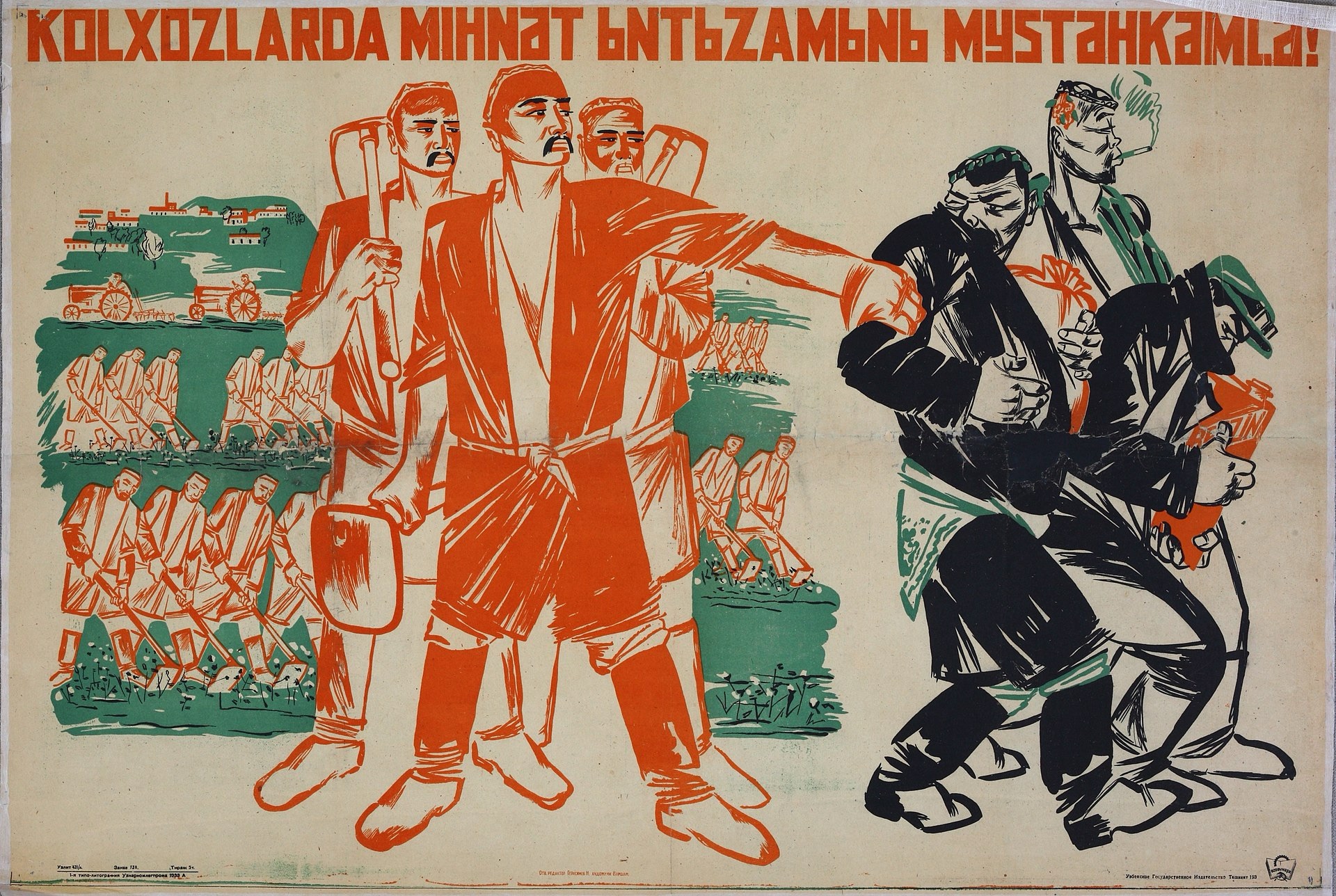
History is often shaped not just by material conditions, but by how leaders interpret those conditions. In the late 1920s, Joseph Stalin looked at the Soviet countryside and saw an enemy that wasn’t there. In this week’s podcast, I explored the roots of the Soviet famine and collectivization, focusing on the critical period of 1928-1929. Using Robert Conquest’s classic study The Harvest of Sorrow as a guide, we stepped into the mindset of the Bolshevik leadership to understand why they declared war on their own peasantry.
-

When we think of the First World War, our minds inevitably drift to the mud of Flanders or the Somme. From a British perspective, the war was fought “over there”—a conflict of expeditionary forces where the homeland remained safe from land invasion. But for the Central Powers, the war began with a terrifying reality: the enemy was at the gate. In this week’s podcast, I explored Alexander Watson’s Ring of Steel to understand the psychological shock of the Russian invasion of East Prussia and Galicia in August 1914.
-
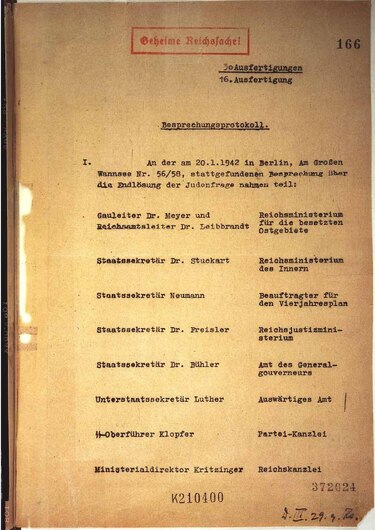
Contrary to popular belief, in the early years of the war, concentration camps like Dachau and Buchenwald were on the sidelines of anti-Jewish policy. By early 1942, Jews made up fewer than 5,000 of the 80,000 inmates in the KL system. Why? Because the Nazis wanted the genocide to happen “somewhere else.”