-

In the latest solo episode of the Explaining History Podcast, we explore John Gray’s False Dawn and the remarkable parallels between two failed attempts to remake Russia on a Western model – Bolshevism and the “shock therapy” of the post‑Soviet 1990s. The Treaty of Versailles and the Missed Opportunity After the First World War, John Maynard Keynes wrote The Economic Consequences of the Peace, warning that the Carthaginian nature of the Treaty of Versailles – the punishment of Germany – would set in motion terrible consequences. Keynes argued that new systems of economic international cooperation were needed, and that the…
-
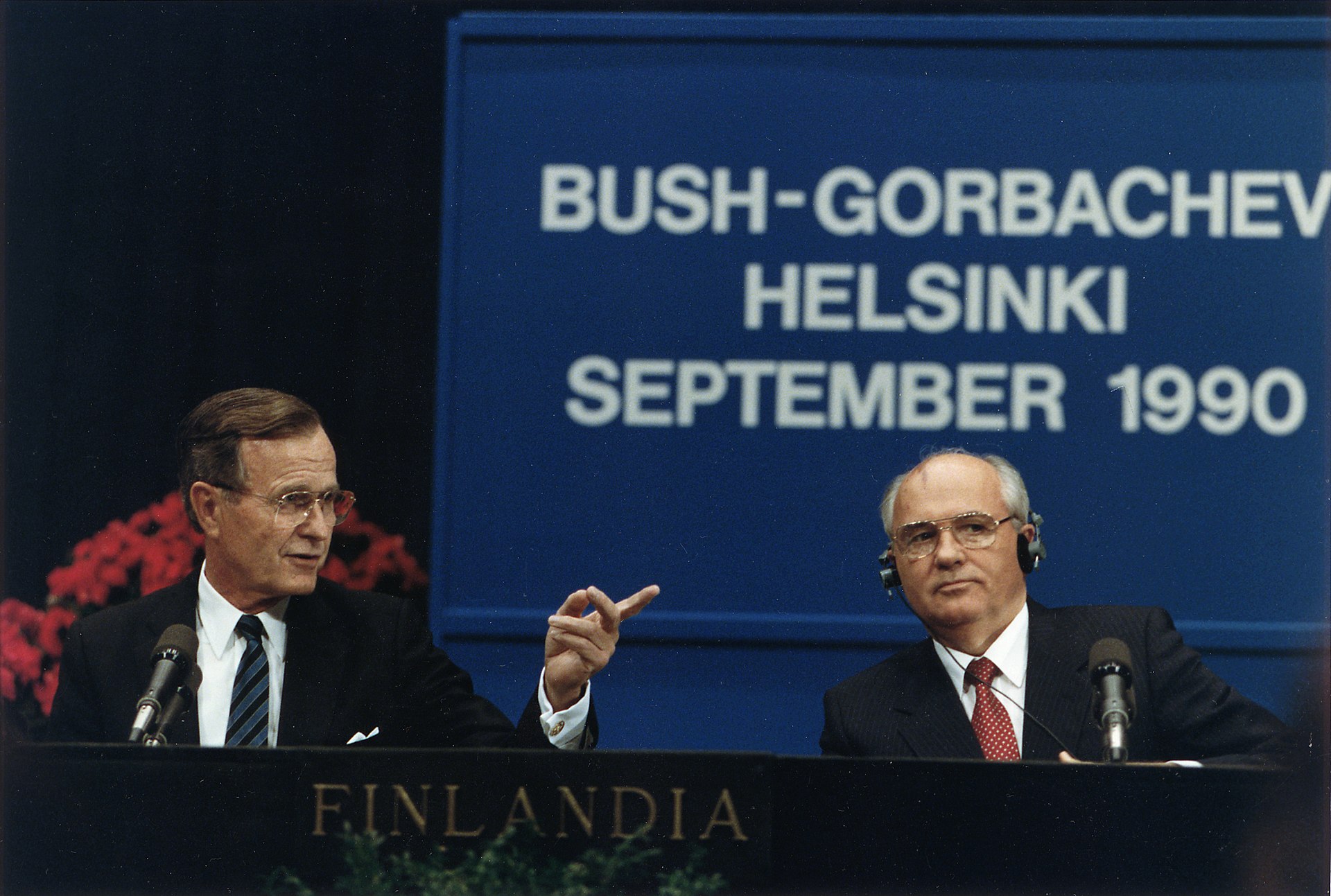
The podcast episode analyzes the shift from George H.W. Bush’s 1991 speech on a “new world order” during the Gulf War to Donald Trump’s chaotic foreign policy. It highlights the decline of American power, evidenced by strategic failures in Iran and the fragility of the petrodollar, signaling a dangerous global landscape ahead.
-

A familiar narrative following the dissolution of the USSR is that Cold War ended because Western capitalism triumphed over a backward, inefficient communist system. But what if the real story is about an empire buckling under the weight of its own military spending—a lesson with stark relevance for today? In the early 1990s, a wave of triumphalism swept the West. The Soviet Union had vanished, seemingly without the apocalyptic violence that accompanied the fall of other empires. The narrative was seductive: Reagan’s tough stance and the inherent superiority of free markets had consigned Marxism-Leninism to the “ash heap of history.”…
-
A 2015 article on UK libraries described efforts by Parliament to amateurise public library services following widespread closures (Dickens, 2015). Given the desire of nearly every country in the world to create an “Information Society” such actions appear counterproductive. This sentiment is also stressed in Library and Information Studies (LIS) literature, especially if the author is writing about information literacy. It could be argued that these writings express a belief in Utopianism, i.e that the work and practices of Information Professionals can overhaul and improve both the individual and society as a whole. More specifically the dream of many Information professionals…
