-
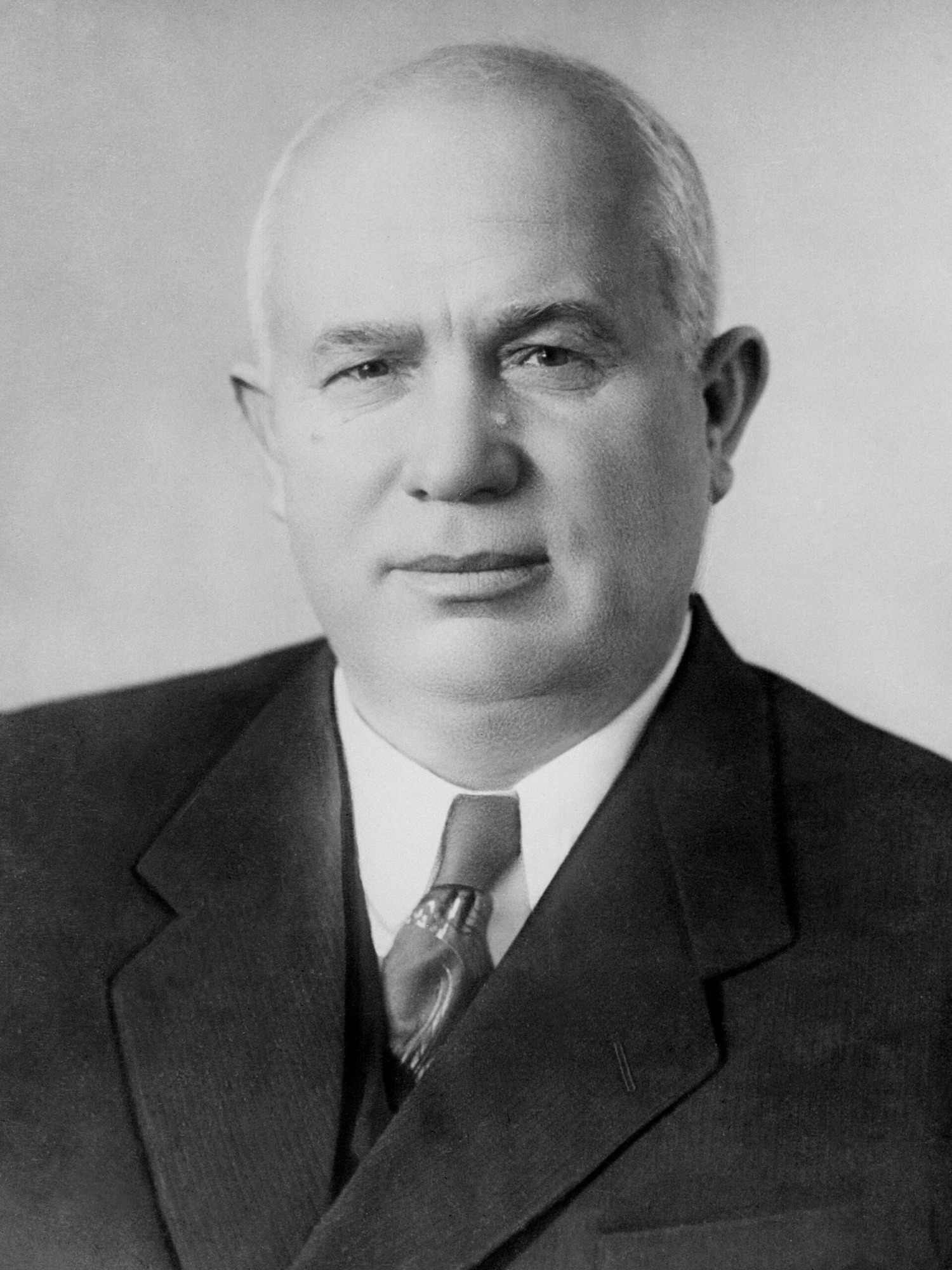
How Khrushchev tried to reform Stalinism without surrendering the Party’s monopoly — de-Stalinisation, the Virgin Lands, living standards and the limits of the Thaw.
-
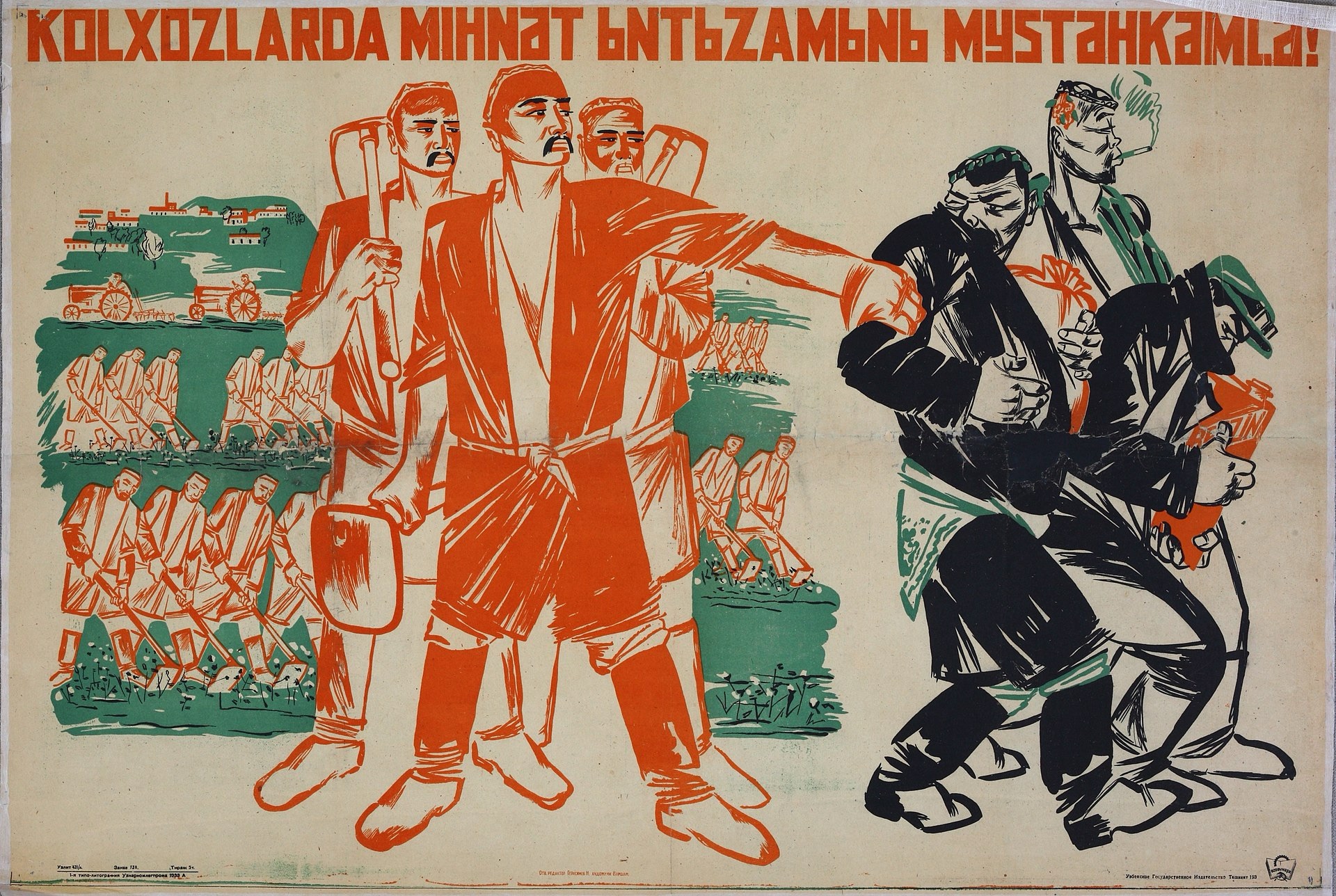
History is often shaped not just by material conditions, but by how leaders interpret those conditions. In the late 1920s, Joseph Stalin looked at the Soviet countryside and saw an enemy that wasn’t there. In this week’s podcast, I explored the roots of the Soviet famine and collectivization, focusing on the critical period of 1928-1929. Using Robert Conquest’s classic study The Harvest of Sorrow as a guide, we stepped into the mindset of the Bolshevik leadership to understand why they declared war on their own peasantry.
-

A familiar narrative following the dissolution of the USSR is that Cold War ended because Western capitalism triumphed over a backward, inefficient communist system. But what if the real story is about an empire buckling under the weight of its own military spending—a lesson with stark relevance for today? In the early 1990s, a wave of triumphalism swept the West. The Soviet Union had vanished, seemingly without the apocalyptic violence that accompanied the fall of other empires. The narrative was seductive: Reagan’s tough stance and the inherent superiority of free markets had consigned Marxism-Leninism to the “ash heap of history.”…
-
Introduction The conventional narrative of the First Indochina War typically centers on Vietnam, treating Laos and Cambodia as peripheral theaters or mere footnotes to the main conflict. This perspective fundamentally misunderstands the regional nature of the struggle and its transformative impact on all three states of French Indochina. The war did not merely occur simultaneously in three separate countries; it represented an interconnected regional conflict that reshaped political institutions, social structures, and international relationships throughout the Indochinese peninsula. This article argues that the First Indochina War served as the crucible that forged the modern political destinies of Laos and Cambodia,…
-
Introduction The United States’ involvement in the First Indochina War represents a crucial chapter in the history of American foreign policy, marking the initial phase of what would become deep military commitment in Southeast Asia. This period witnessed the fundamental transformation of American policy from relative disinterest to substantial engagement, establishing patterns that would characterize later involvement in Vietnam. The evolution of American policy during this conflict reveals the powerful influence of Cold War mentality on foreign policy decision-making, the tensions between anti-colonial traditions and containment imperatives, and the early manifestations of what would later be termed “mission creep” in…
-
Introduction The standard narrative of the Marshall Plan as an uncontested blessing for postwar Europe requires significant qualification when examined through the lens of its contemporary critics. While political leaders and economic beneficiaries celebrated American generosity, substantial intellectual and political movements across Europe developed sophisticated critiques that questioned the Plan’s motives, methods, and consequences. These criticisms emerged from multiple positions on the left—from communist parties taking direct orders from Moscow to independent socialist intellectuals concerned with preserving European autonomy to social democrats wary of American capitalism—and collectively represented a significant counter-discourse to the enthusiastic official reception of American aid. This…
-
Introduction The announcement of the Marshall Plan in June 1947 presented the Soviet Union with a profound strategic dilemma. The offer of American economic aid to all of Europe, including the USSR and its nascent Eastern European sphere of influence, was a masterstroke of Western diplomacy that placed the Kremlin in a precarious position. To participate would mean opening the Soviet economy to Western scrutiny, potentially loosening control over Eastern Europe, and legitimizing a U.S.-led vision for the continent. To reject it risked appearing obstructive, confirming Western accusations of Soviet hostility, and allowing the consolidation of a Western bloc from…
-

By spring 1947, Western Europe faced severe crises post-World War II, threatening democracy and allowing communism to gain traction. In response, the Marshall Plan proposed U.S. aid for recovery through European cooperation, stabilizing economies while countering Soviet influence. It ultimately forged enduring transatlantic ties and shaped the continent’s political landscape.
-
By spring 1945 the tide of World War II had turned decisively. Nazi Germany would surrender within weeks, and even as fighting raged on in the Pacific the Axis defeat was seen as imminent. In this atmosphere U.S. President Franklin D. Roosevelt died (April 12) on “the eve of complete military victory in Europe,” just months before Japan’s defeat . His successor, Harry Truman, knew that the postwar settlement could not wait for total victory. Addressing the San Francisco meeting, Truman declared that delegates’ task was singular: “You are to write the fundamental charter” of a new organization whose “sole…
-
The Yalta Conference of early February 1945 took place in a devastated World War II Europe. By that point Allied victory in Europe was all but certain – Soviet armies were closing on Berlin from the east, while American and British forces were pushing in from the west . Yet the war against Japan still raged in the Pacific, and the three leaders (Churchill, Roosevelt, Stalin) gathered in Livadia Palace, Crimea, to decide the final defeat of Germany and the shape of the postwar world . The setting itself was striking: Yalta was a Black Sea resort left in ruins…