-

The Srebrenica genocide of July 1995, where over 8,000 Bosniak men and boys were systematically murdered by Bosnian Serb forces, stands is a case study in the organized mechanics of mass murder. It occurred in a UN-declared “safe area,” exposing the lethal failure of international guarantees. The operation involved methodical separation, multi-site executions, and coordinated grave exhumations to hide evidence. Legally recognized as genocide, Srebrenica refutes narratives of the Bosnian War as a chaotic civil war, revealing instead a premeditated campaign of destruction. It remains an enduring symbol of international paralysis in the face of evil and a battleground for…
-

The Bosnian War (1992-1995) defies simple categorization. While often depicted as a three-sided ethnic conflict, it was fundamentally a war of aggression and partition. Bosnian Serb forces, backed by Belgrade, and Bosnian Croat forces, supported by Zagreb, sought to dismember the newly independent state, with the Bosniak population as the primary obstacle. The conflict evolved through phases of Serb conquest, a brutal Croat-Bosniak war, and a final U.S.-brokered alliance that forced a settlement. The Dayton Peace Agreement halted the violence but institutionalized the war’s core outcome: the ethnic partition of Bosnia into two rival entities, freezing in place the divisions…
-

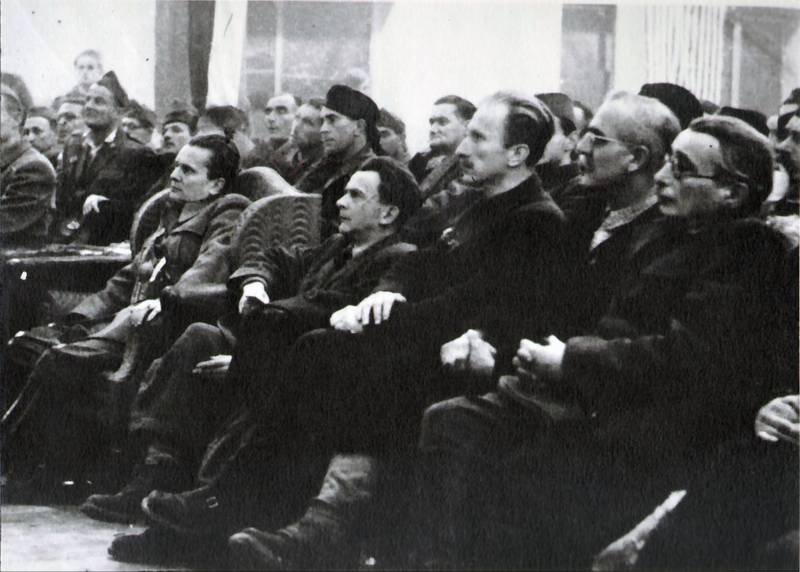
Introduction: The Pen and the Sword The violent dissolution of Yugoslavia presents a profound and disturbing paradox. How could a society with relatively high literacy rates, a respected tradition of dissident thought, and vibrant cultural exchange descend so rapidly into a chasm of ethnic hatred and barbarism? The answer lies not only in the calculations of politicians or the maneuvers of armies, but in the realm of symbols, narratives, and words. The Yugoslav wars were, in significant part, a war of narratives, fought in television studios, newspaper editorials, academic conferences, and poetry readings long before the first mortar shells fell.…
-
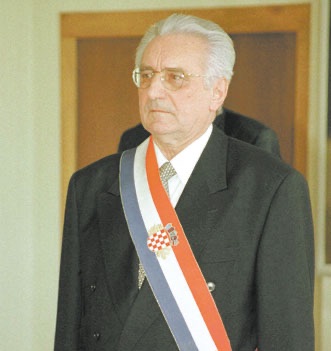
The Croatian War of Independence, known within Croatia as the Domovinski rat (Homeland War), represents the violent and contested birth of the modern Croatian state. Unfolding from 1990 to 1995, its trajectory—from localized Serb insurgency to full-scale conventional warfare, through a tense UN-mediated stalemate, to a final, decisive military resolution—encapsulates the central paradoxes of Yugoslavia’s dissolution. It was a conflict defined by clashing legitimacies: the right of a republic to secede versus the perceived right of a minority to reject that secession; the defense of new borders against a crumbling federal army; and the brutal transformation of ethnically mixed communities…
-
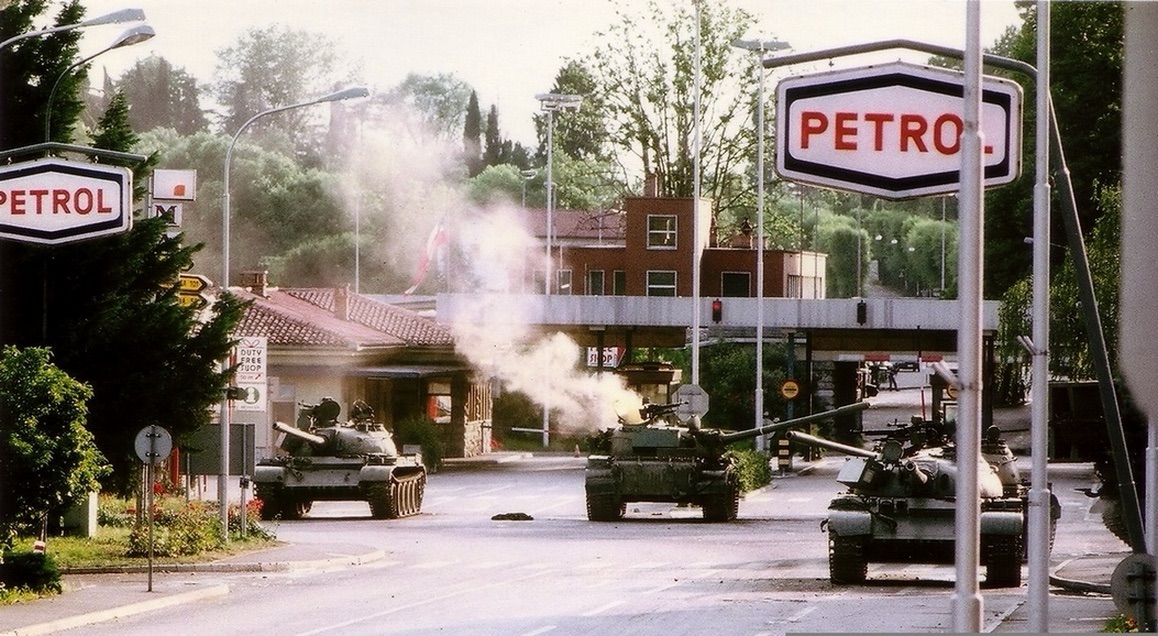
Introduction: The Guardian’s Betrayal In the annals of institutional collapse, few are as stark and consequential as the metamorphosis of the Yugoslav People’s Army—the Jugoslovenska Narodna Armija (JNA). For 45 years, it stood as the ultimate guardian of the socialist federation and the “Brotherhood and Unity” of its peoples. Funded collectively by all six republics, staffed by a conscripted and professional corps drawn from every nationality, and celebrated as the fourth-largest military in Europe, the JNA was more than an army; it was the central pillar of the Yugoslav state and the ultimate symbol of its sovereignty. Its doctrine was…
-
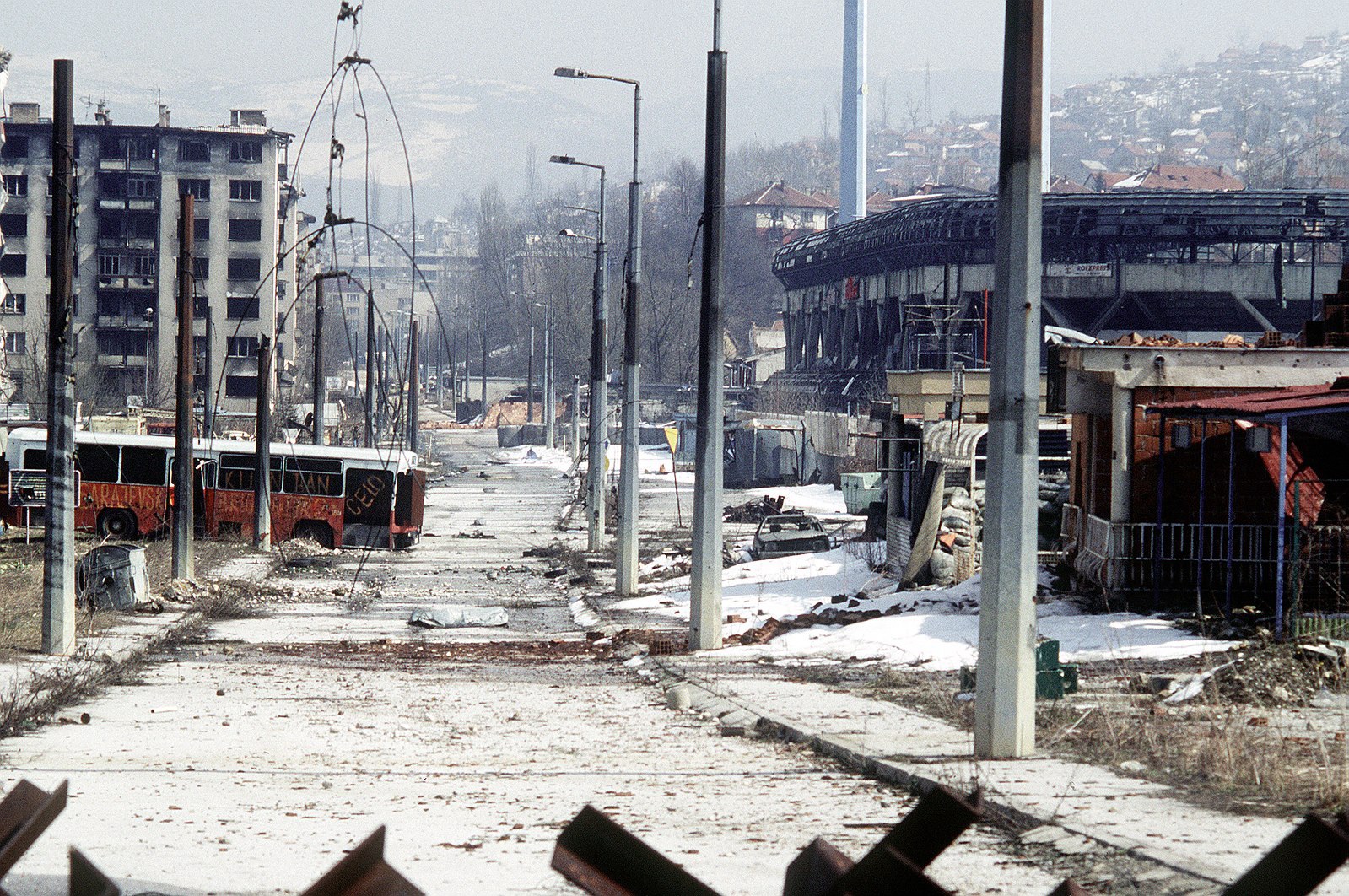
The 1,425-day siege of Sarajevo (1992-1996) was the longest of a capital city in modern history, serving as a brutal microcosm of the Yugoslav Wars. It was a deliberate campaign of urbicide and memoricide, where surrounding Serb forces used indiscriminate shelling, sniper terror, and the systematic destruction of cultural landmarks (like the National Library) to physically and symbolically annihilate a multi-ethnic, civic society. Yet, within the siege, Sarajevans mounted a profound resistance by stubbornly maintaining cultural life—publishing newspapers, performing in basements, and holding film festivals. This defiance transformed the preservation of normalcy into a political act, defending the idea of…
-

The international recognition of Slovenia, Croatia, and Bosnia (1991-92) remains a pivotal and debated chapter in the Yugoslav dissolution. It did not cause the wars but fundamentally reshaped the conflict. By granting sovereignty—especially to defenseless Bosnia—while offering no security guarantees, the international community transformed a fluid political crisis into a zero-sum struggle over fixed borders. Recognition provided legal clarity but catastrophic political results, hardening nationalist positions and making compromise nearly impossible. It stands as a sobering lesson in the limits of diplomatic formalism when disconnected from on-the-ground power and security realities.
-
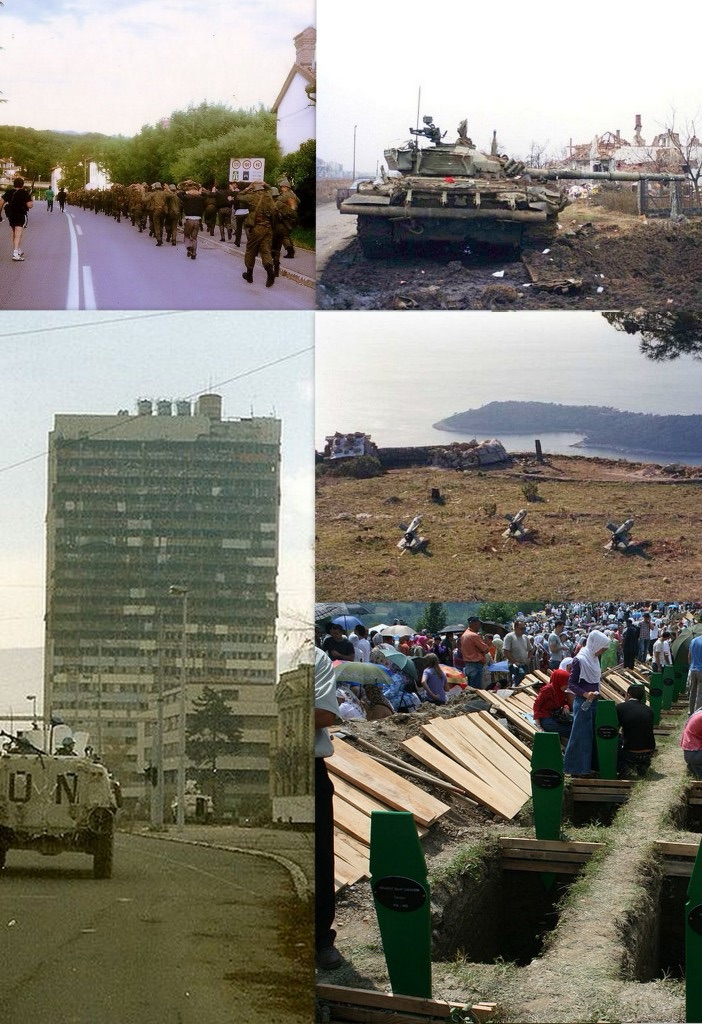
The Yugoslav Wars were not the inevitable eruption of “ancient ethnic hatreds,” a simplistic narrative weaponized by nationalist elites. Instead, the violence was a manufactured cataclysm. Facing a crisis of legitimacy after communism’s collapse, leaders like Milošević and Tudjman deliberately incited ethnic fear to consolidate power, redirecting anger from economic collapse. They exploited latent tensions and historical trauma through controlled media, creating a climate for war. This instrumentalist analysis, emphasizing political strategy over primordial passion, reveals the conflict as a deliberate project of power, not a destined return to barbarism, assigning clear responsibility for the tragedy. Images by Peter Denton…