-

In the summer of 1914, the Ottoman Empire faced a world of enemies. Surrounded by voracious powers – Britain in Egypt, Russia along the Black Sea, a hostile Habsburg Empire to the west, and a recently hostile Italy in the Mediterranean – the Young Turks who ruled the empire saw enemies everywhere. Their desperate gamble to cut the Suez Canal would become one of the most audacious – and doomed – campaigns of the First World War.
-
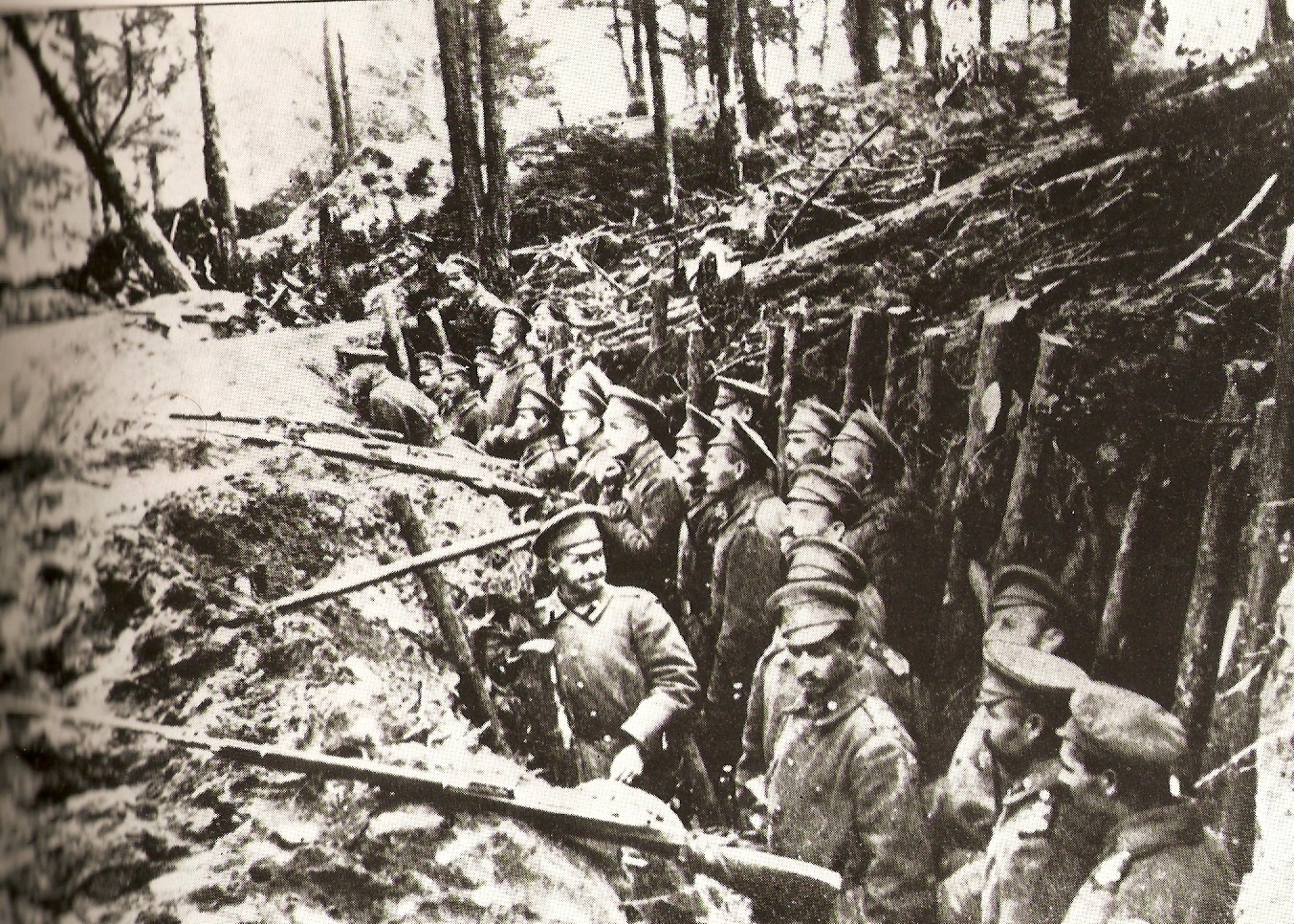
The Ottoman Third Army’s disastrous winter offensive at Sarikamish in 1914 highlighted the brutal realities of the First World War, with 60,000 to 80,000 casualties from harsh conditions. This pivotal battle set the stage for the complex ethnic conflicts that reshaped the Caucasus region.
-

The Mesopotamian campaign, often overshadowed by Gallipoli and the Western Front, marked a turning point for both empires. For Britain, it was a catastrophic failure, while the Ottomans capitalized on familiar ground, showcasing their strategic prowess.
-

When we think of the First World War, our minds inevitably drift to the mud of Flanders or the Somme. From a British perspective, the war was fought “over there”—a conflict of expeditionary forces where the homeland remained safe from land invasion. But for the Central Powers, the war began with a terrifying reality: the enemy was at the gate. In this week’s podcast, I explored Alexander Watson’s Ring of Steel to understand the psychological shock of the Russian invasion of East Prussia and Galicia in August 1914.
-

In the mid-1930s, with the shadow of one great war still looming and the threat of another growing darker, Britain faced a vexing national crisis: should it rearm? This episode delves into the complex political, economic, and social debates that defined this critical period.We explore the profound public anxiety shaped by the memory of World War I and the terrifying new prospect of aerial warfare, as seen in newsreels from Guernica and Nanjing. Drawing on Daniel Todman’s Britain’s War, we unpack
-
In August 1914, German leaders of the SPD, including the anti war Hugo Hasse accepted the inevitability of conflict and voted against their principals of internationalism and solidarity. The fear of the Rusian army invading Germany, or of state repression against political parties viewed as treacherous or disloyal created the illusion of unity. Elsewhere, the Kaiser appeaeld to all parties as ‘Germans’ to come together in a spirit of national unity and many Germans adopted a seige mentality, bel
-
Despite a decade of social conflict prior to the First World War between German trade unions and bosses, the declaration of war by Germany against Russia in the summer of 1914 led to a temporary but significant period of social unity in the Reich. The SPD, Germany’s Social Democratic Party, showed its loyalty to the Kaiser’s government by voting for his war credits to fund the army, and were recognised by the Chancellor Bethman Hollweg as a pliant and passive organisation that did not need to be
-
Following the failure of Germany’s last bid to defeat Britain, France and America in the west, a counter offensive took advantage of the Kaiser Army’s weakness. The decisive moment, politically and militarily came on August 8th 1918 with the Battle of Amiens, after which Germany’s leaders saw the war as unwinnable. Explaining History helps you understand the 20th Century through critical conversations and expert interviews. We connect the past to the present. If you enjoy the show, please subscr
-
How did Germany’s defeat in World War One lead to a revolution that swept away the Kaiser and result in the rise of a liberal socialist government? What compromises and deals did the new administration make to prevent the spread of communism and how did that affect the development of the republic?Answers to all this and more are here in this Explaining History Podcast. Explaining History helps you understand the 20th Century through critical conversations and expert interviews. We connect the pa