-
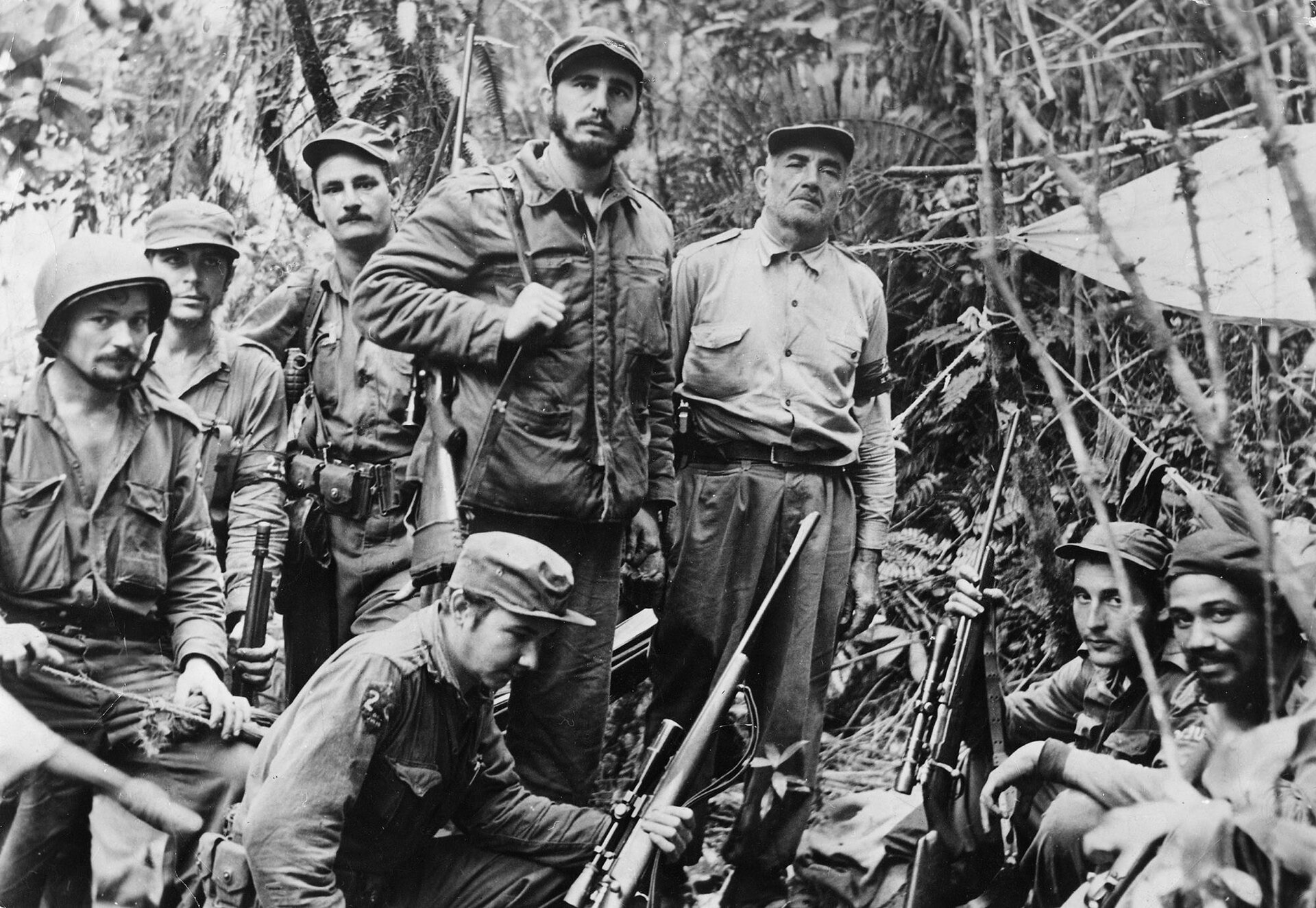
On New Year’s Day 1959, Fulgencio Batista, the dictator who had ruled Cuba for most of the previous twenty-five years, fled the country in the early hours of the morning, boarding a plane for the Dominican Republic as his regime collapsed around him. The news reached the guerrilla column led by Ernesto Guevara, which had spent the previous weeks fighting its way toward Havana, and the fighters who heard it greeted it with disbelief and then elation.
-

The founding of the People’s Republic of China on 1 October 1949 was the culmination of a civil war that had been running, in one form or another, since 1927. But to understand why that war ended as it did — with Mao’s Communist forces victorious and Chiang Kai-shek’s Nationalist government in flight to Taiwan — you have to go back to the alliance that preceded it: the United Front, and the catastrophic collapse that made the eventual reckoning inevitable.
-

The Greek Civil War of 1946–49 was not merely a military conflict — it was a founding trauma that shaped everything that followed: the suppression of the left, the culture of political exclusion, and the authoritarian undertow that eventually produced the junta of 1967. To understand modern Greece, you have to understand the war that was never allowed to end.
-
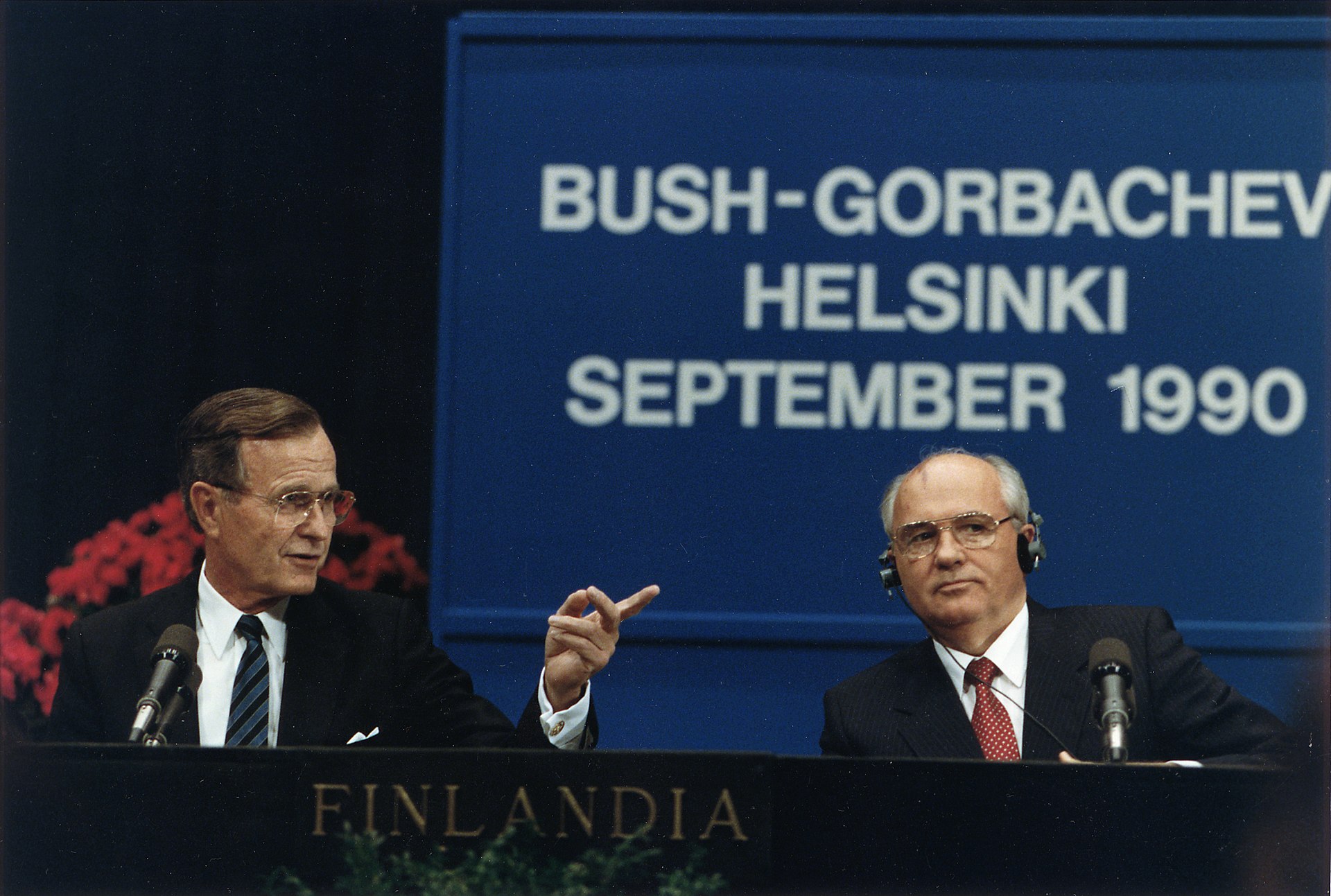
The podcast episode analyzes the shift from George H.W. Bush’s 1991 speech on a “new world order” during the Gulf War to Donald Trump’s chaotic foreign policy. It highlights the decline of American power, evidenced by strategic failures in Iran and the fragility of the petrodollar, signaling a dangerous global landscape ahead.
-
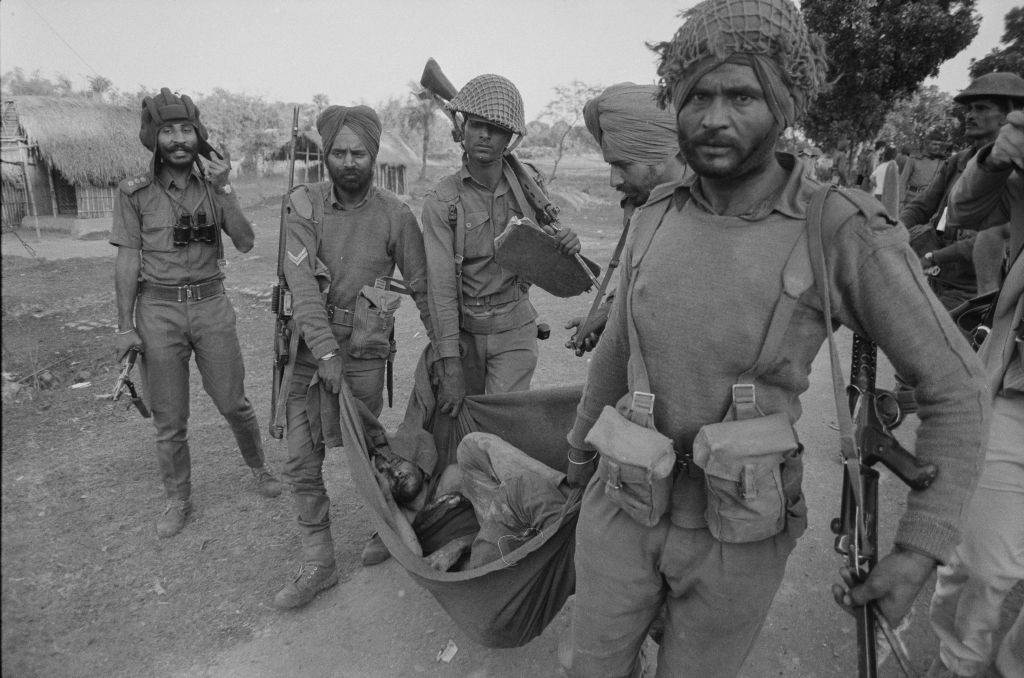
On the evening of 10 December 1971, as Indian forces crossed the Meghna River and closed in on Dhaka, the White House Situation Room sent a message to the Commander in Chief, Pacific (CINCPAC). It began a sequence of orders that culminated, four days later, in the movement of a U.S. carrier task group toward the Bay of Bengal. Although widely labelled “Task Force 74” in later accounts, contemporaneous records vary: some U.S. documents simply describe it as a carrier group detached from the Seventh Fleet, while Indian and Soviet-era sources apply labels inconsistently. What is undisputed is the political…
-

Introduction: The Funeral of Equidistance On the morning of August 9, 1971, in the gilded halls of New Delhi’s Rashtrapati Bhavan, the Indian Minister of External Affairs, Swaran Singh, and the Soviet Foreign Minister, Andrei Gromyko, affixed their signatures to a document titled the Treaty of Peace, Friendship, and Cooperation. To the casual observer of international law, the text might have appeared as a standard diplomatic instrument—a framework for cultural exchange, trade normalization, and scientific collaboration. However, in the chancelleries of Washington, Beijing, and Islamabad, the signing was recognized for what it truly was: a seismic shift in the geopolitical architecture…
-

The dramatic narrative of the Space Race is often told through its spectacular successes and failures: Sputnik’s beep, Gagarin’s orbit, the Apollo 11 landing. Yet, behind these milestones lay a deeper, more determinative struggle—a clash of competing technopolitical cultures. This was not merely a contest of rockets, but a fundamental disagreement over how to organize knowledge, manage risk, and innovate under extreme pressure. On one side was the American model, often romanticized as the “Right Stuff”—a culture that, despite its hierarchical structure, tolerated public failure, celebrated individual initiative, and fostered a sometimes-chaotic meritocracy. On the other was the Soviet system,…
-
On October 4, 1957, a polished sphere of aluminum, no larger than a beach ball, began its elliptical journey around the Earth. From its antennae emanated a steady, repetitive beep-beep-beep—a sound that was, for millions, both scientifically wondrous and politically terrifying. The Soviet Union’s launch of Sputnik 1 was not merely a scientific milestone; it was a masterstroke of technopolitical theater. It weaponized a satellite, transforming it into a symbol that shattered the foundational narrative of post-war American identity: the unassailable supremacy of its technology, its political system, and its vision of the future. The event triggered a cascade of…
-
Operation Condor was one of the bloodiest chapters in the history of the Cold War, a transnational terrorist consortium where South American military regimes collaborated to hunt, torture, and disappear their political opponents across borders. The image is one of a distinctly Latin American horror, orchestrated by generals in Santiago, Buenos Aires, and Montevideo. Yet, hovering over this entire apparatus is a persistent, haunting question: what did the United States, the hemispheric superpower and self-proclaimed beacon of democracy, know and do? The story of U.S. involvement is not one of simple, direct command but of a complex and damning complicity.…
