-
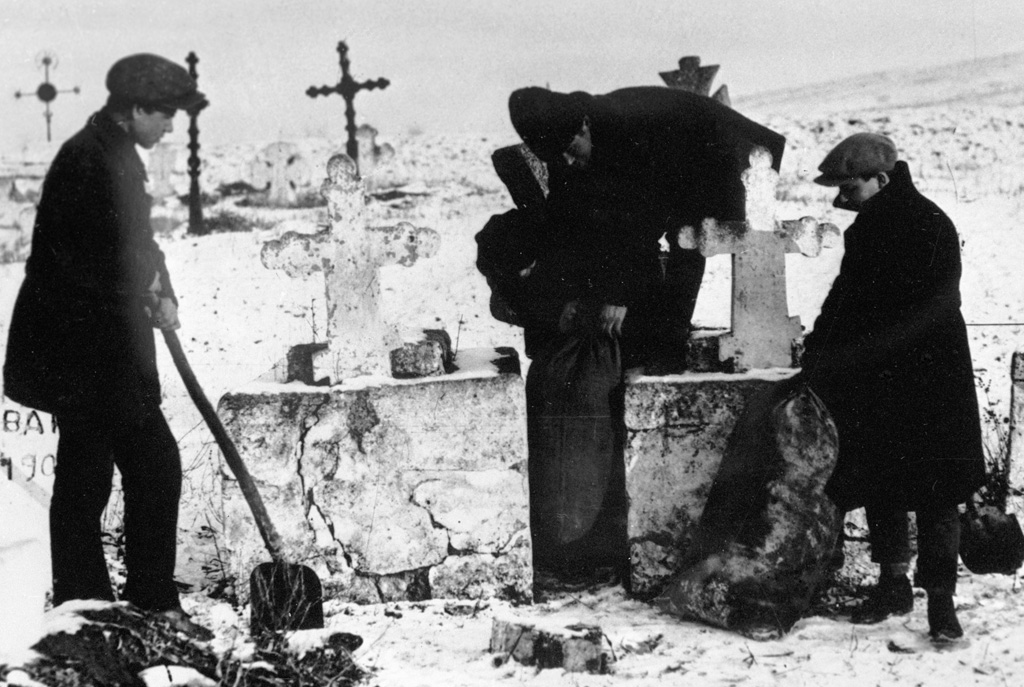
In 1928, the Soviet Union faced a choice. It could continue with the New Economic Policy (NEP), using market mechanisms to encourage peasants to grow grain, or it could return to the methods of the Civil War: force, requisitioning, and terror. Stalin chose the latter. In this week’s podcast, I continued my exploration of Robert Conquest’s The Harvest of Sorrow, focusing on the pivotal moment when the Soviet leadership decided to declare war on the countryside.
-
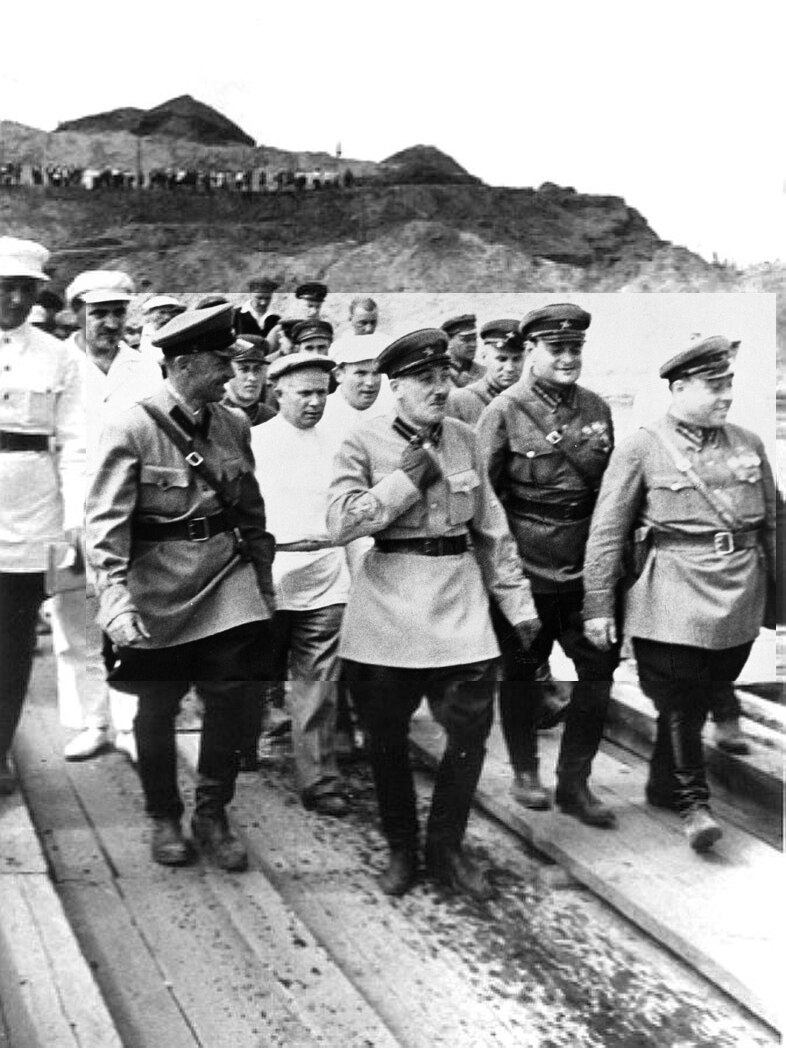
When we think of the Stalinist terror, we often focus on the show trials of Old Bolsheviks or the chilling knock on the door in the middle of the night. But behind the theatrical cruelty lay a vast, grinding bureaucracy—a system of camps that became a state within a state.
-
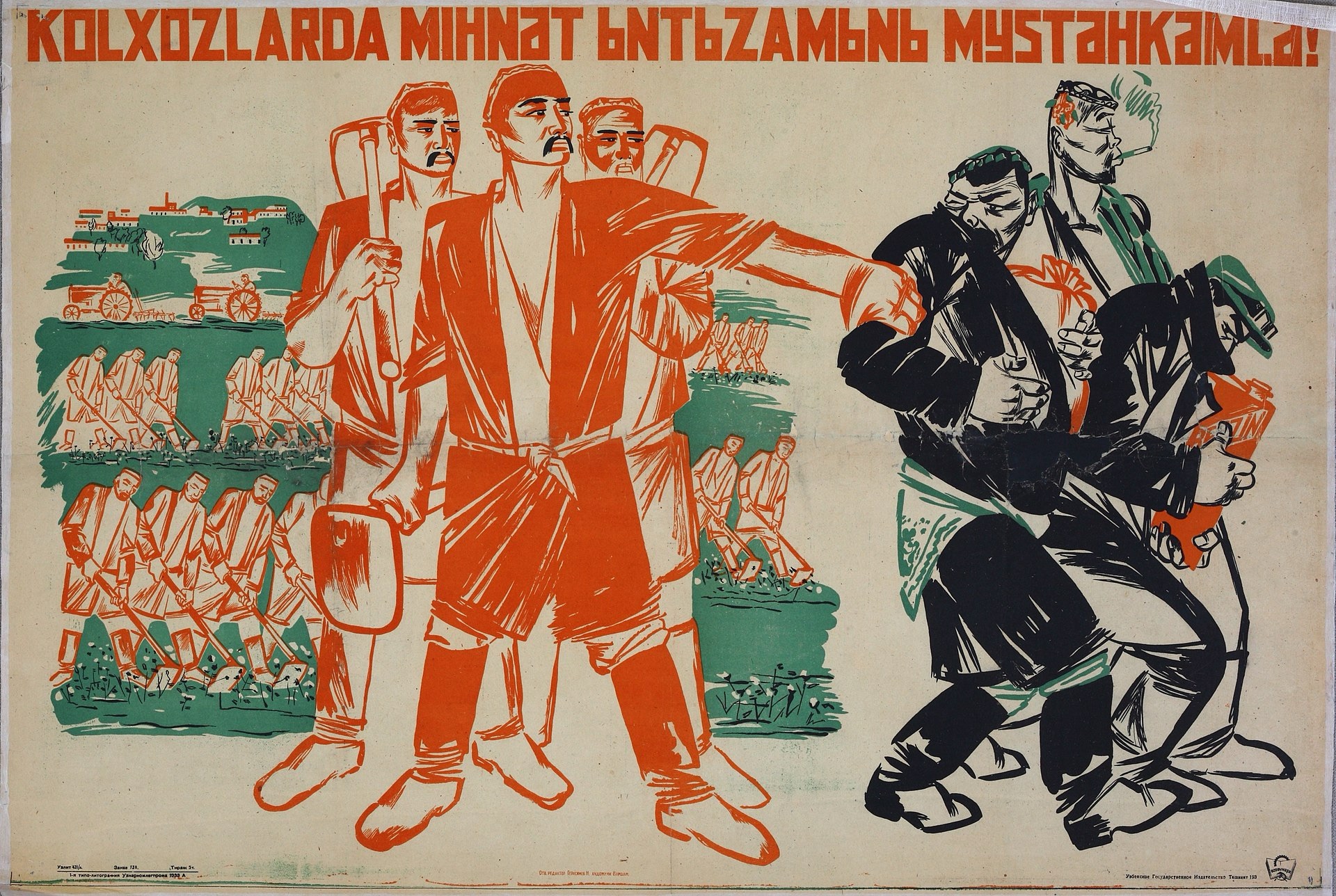
History is often shaped not just by material conditions, but by how leaders interpret those conditions. In the late 1920s, Joseph Stalin looked at the Soviet countryside and saw an enemy that wasn’t there. In this week’s podcast, I explored the roots of the Soviet famine and collectivization, focusing on the critical period of 1928-1929. Using Robert Conquest’s classic study The Harvest of Sorrow as a guide, we stepped into the mindset of the Bolshevik leadership to understand why they declared war on their own peasantry.
-

A familiar narrative following the dissolution of the USSR is that Cold War ended because Western capitalism triumphed over a backward, inefficient communist system. But what if the real story is about an empire buckling under the weight of its own military spending—a lesson with stark relevance for today? In the early 1990s, a wave of triumphalism swept the West. The Soviet Union had vanished, seemingly without the apocalyptic violence that accompanied the fall of other empires. The narrative was seductive: Reagan’s tough stance and the inherent superiority of free markets had consigned Marxism-Leninism to the “ash heap of history.”…