-

Twenty-four hours have passed since Apache gunships appeared over Caracas. The initial shock of the abduction of Nicolás Maduro is giving way to a more practical question: What now? Donald Trump has declared that the US is going to “run Venezuela” and revitalize its oil industry. It is the kind of bombastic statement that his supporters cheer and the media amplifies without scrutiny. But history suggests that this promise is not just optimistic; it is a fantasy.
-

The news from Caracas is still sketchy, but the picture emerging is one of unprecedented escalation. Apache gunships over the capital, explosions in the streets, and reports that President Nicolás Maduro has been abducted by US forces.
-
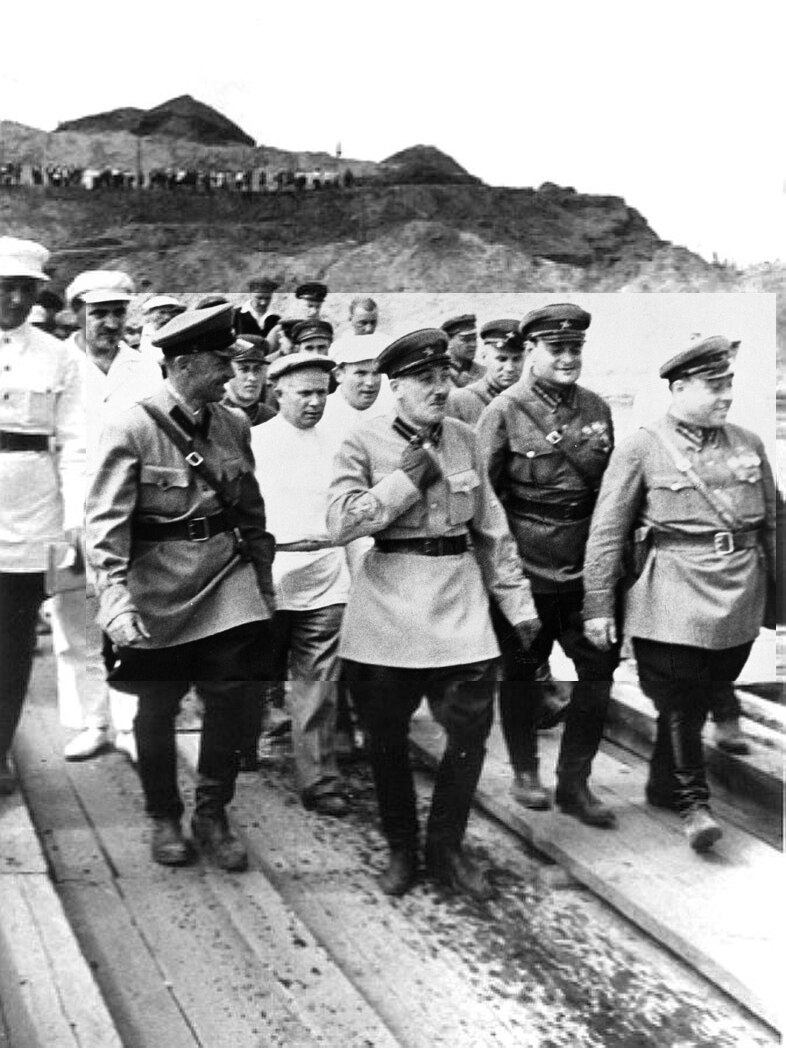
When we think of the Stalinist terror, we often focus on the show trials of Old Bolsheviks or the chilling knock on the door in the middle of the night. But behind the theatrical cruelty lay a vast, grinding bureaucracy—a system of camps that became a state within a state.
-

When we think of the rise of Fascism in Italy, we often picture blackshirts, street brawls, and the March on Rome. We think of violence. But there was another, quieter form of violence that was just as instrumental in cementing Mussolini’s power: austerity. In this week’s podcast, I explored a fascinating paper by economist Clara Mattei, Austerity and Repressive Politics. Mattei argues that the early years of the Fascist regime (1922-1925) were defined by a brutal economic agenda designed to roll back the democratic gains of the post-WWI era. The Fear of Democracy After the First World War, Italy experienced a…
-
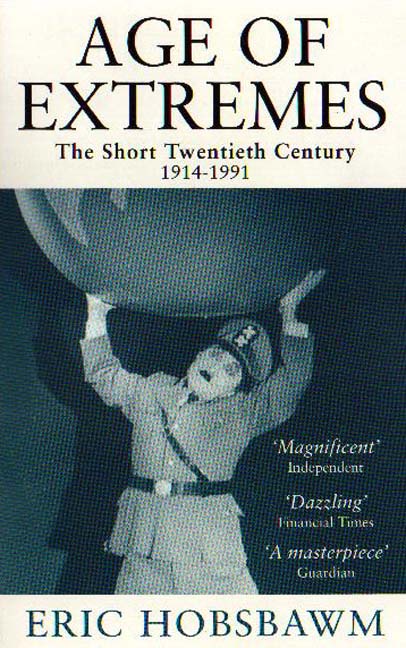
As we begin a new year, it seems fitting to return to one of the most significant historical works of the modern era: Eric Hobsbawm’s The Age of Extremes. Published in 1994, it defines the “Short Twentieth Century” as the period between the outbreak of World War I in 1914 and the collapse of the Soviet Union in 1991. In this week’s podcast, I started what will be a year-long journey through this text. Hobsbawm’s work is masterful not just for its scope, but for its diagnosis of a peculiar malady that afflicts our time: historical amnesia. The Destruction of the…
-

Liverpool has always been a city apart. Perched on the edge of the Irish Sea, looking out towards America and the wider world, it has often felt less like a provincial English city and more like a maritime city-state. In this week’s podcast, I sat down with David Swift to discuss his new book, A Scouse Republic. We explored the deep roots of Liverpool’s unique identity—an identity that is fierce, political, and distinct from the rest of the UK.
-
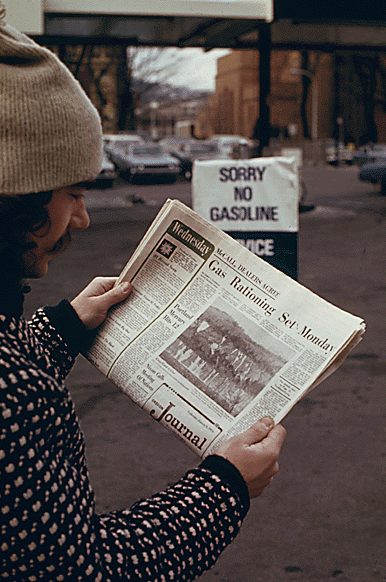
The post-war era in the West is often viewed through a lens of nostalgia. It was a time of unprecedented growth, rising living standards, and the expansion of the middle class. But this “Golden Age” rested on a single, precarious foundation: cheap oil. In this week’s podcast, I explored how that foundation crumbled in the 1970s, paving the way for the neoliberal revolution that followed. Drawing on Gary Gerstle’s The Rise and Fall of the Neoliberal Order, we looked at the pivotal moment when the flow of cheap energy stopped. The Commodity Trap Between 1948 and 1972, global oil production quintupled.…
-

When Paris was liberated in August 1944, a comfortable myth settled over the city. General Charles de Gaulle proclaimed that France had liberated itself, implying a nation united in resistance against the German occupier. It was a necessary lie to prevent a bloodbath, but it buried a darker truth: for four years, France had been at war with itself. In this week’s podcast, I explored the painful history of collaboration and resistance in France, drawing on the work of Max Hastings and the late Tony Judt. The reality is that the occupation was not just a foreign imposition; it was…
-

It has been ten years since David Bowie died, leaving behind a final album, Blackstar, that felt less like a goodbye and more like a riddle. In the decade since, the industry of “Bowieology” has only accelerated, with exhibitions, documentaries, and archives attempting to pin down the man who made a career out of being unpinnable. In this week’s podcast, I sat down with author Alexander Larman to discuss his new book, Lazarus. Unlike the countless cradle-to-grave biographies that fixate on the glam rock explosion of the 1970s, Larman focuses on the second half of Bowie’s life—a period often dismissed as a…
-

The 20th century was defined by competing visions of utopia. While the Soviet Union promised a worker’s paradise achieved through struggle and sacrifice, the United States offered a different kind of salvation: the suburb. In this week’s podcast, I explored the fascinating history of this American dream using Lizabeth Cohen’s seminal book, A Consumer’s Republic. The thesis is compelling: post-war suburbia wasn’t just a collection of houses; it was a political project designed to channel democratic energy into consumption.