-
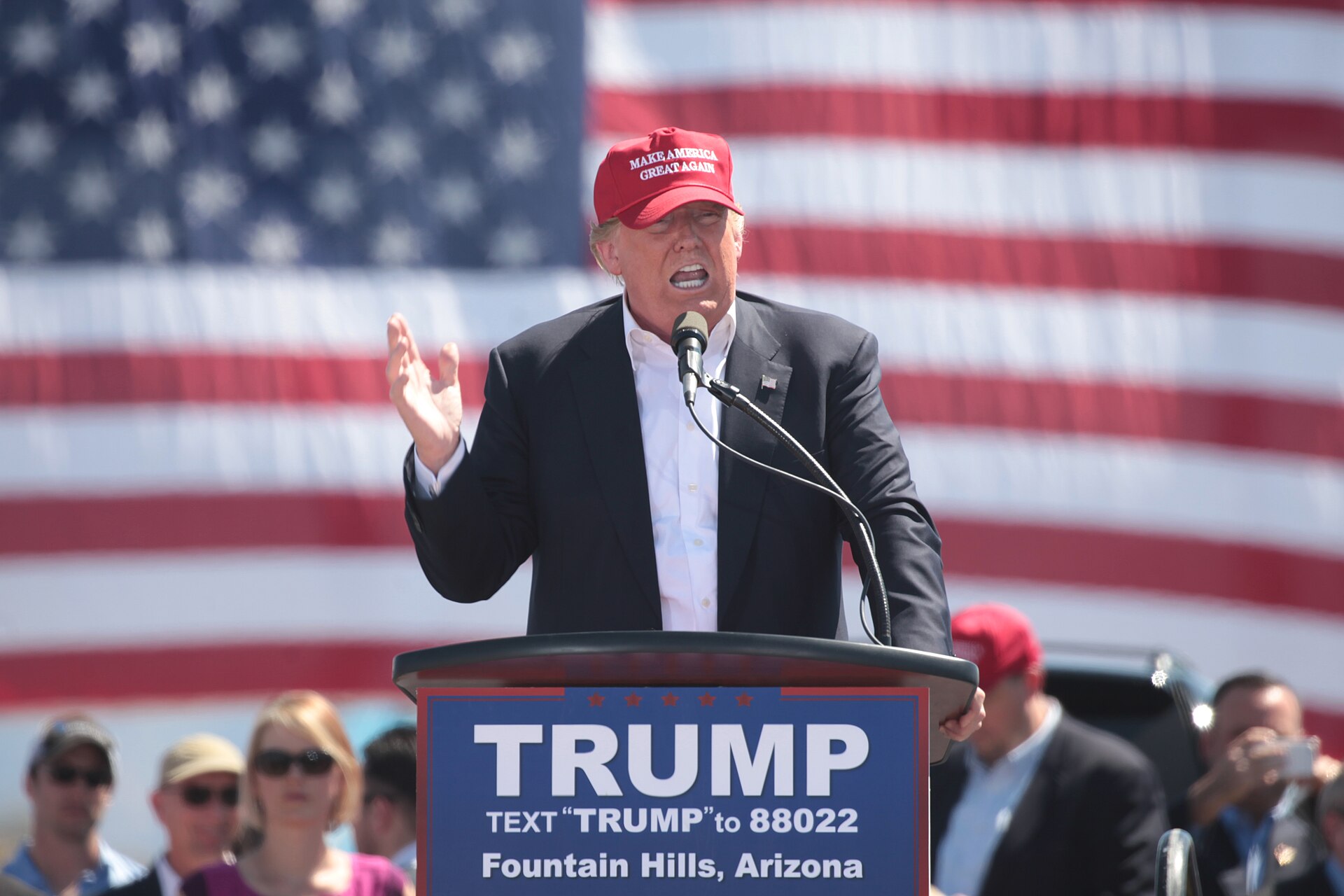
In the latest episode of the Explaining History Podcast, I explore the competing theories attempting to explain what is happening in the Persian Gulf – and what it tells us about the end of American hegemony. (photo credit: Gage Skidmore – https://creativecommons.org/licenses/by-sa/3.0/deed.en) There are many competing theories about what we are seeing in the Gulf, and many different arguments about why America is doing what it is doing. These arguments fall into roughly two camps: the idea that there is an overarching grand plan behind everything that has happened since Venezuela in January, and – for my money – the…
-

NATO’s foundational agreement is collapsing due to Trump’s actions, including threats to withdraw, humiliation of allies, and challenges to its mutual defense principles. Legal barriers exist to withdrawal, but trust in the U.S. security guarantee has eroded. If the U.S. falters, Europe would need heightened defense measures while Russia could be emboldened.
-

The Question of Naming History has a way of naming things only after they have concluded. We look back at 1914 and 1939 as definitive starting points, but as we discuss in the latest Explaining History podcast, those living through the current conflagrations in Ukraine, Gaza, Iran, and Venezuela are left wondering: are we already in the midst of a global conflict? And if so, at what point do we give it a name? The historian Richard Overy, in his seminal work Blood and Ruins, suggests that the two World Wars might be viewed as a single, continuous struggle of…
-
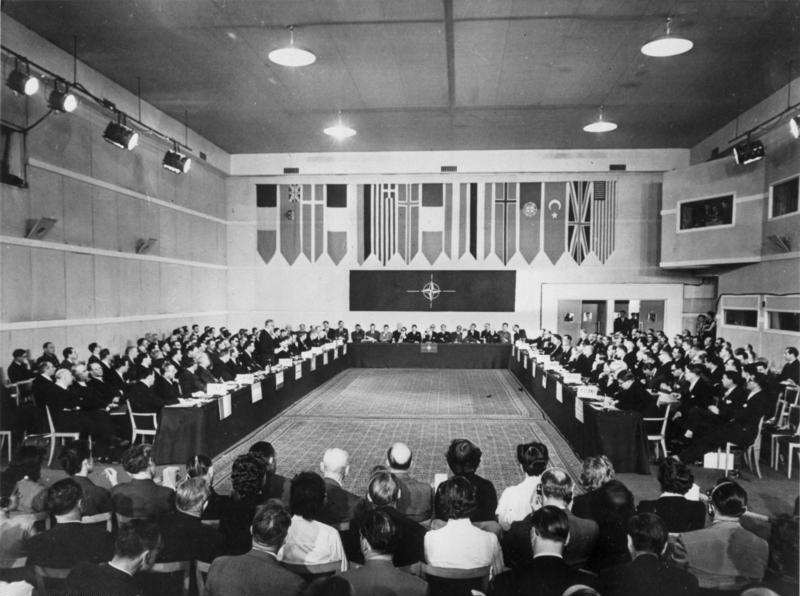
January 6, 2026 The statement issued today by twelve European leaders regarding the sovereignty of Greenland was brief, legalistic, and utterly devastating. By declaring Danish territory inviolable without explicitly naming the United States, Europe’s chancellories effectively acknowledged what historians and international relations theorists have whispered for a decade: the North Atlantic Treaty Organization (NATO), the most successful military alliance in human history, is functionally dead. To view the current crisis merely as a product of Donald Trump’s mercurial nature or his real estate ambitions is a mistake. What we are witnessing in 2026 is the culmination of structural fissures that…
-
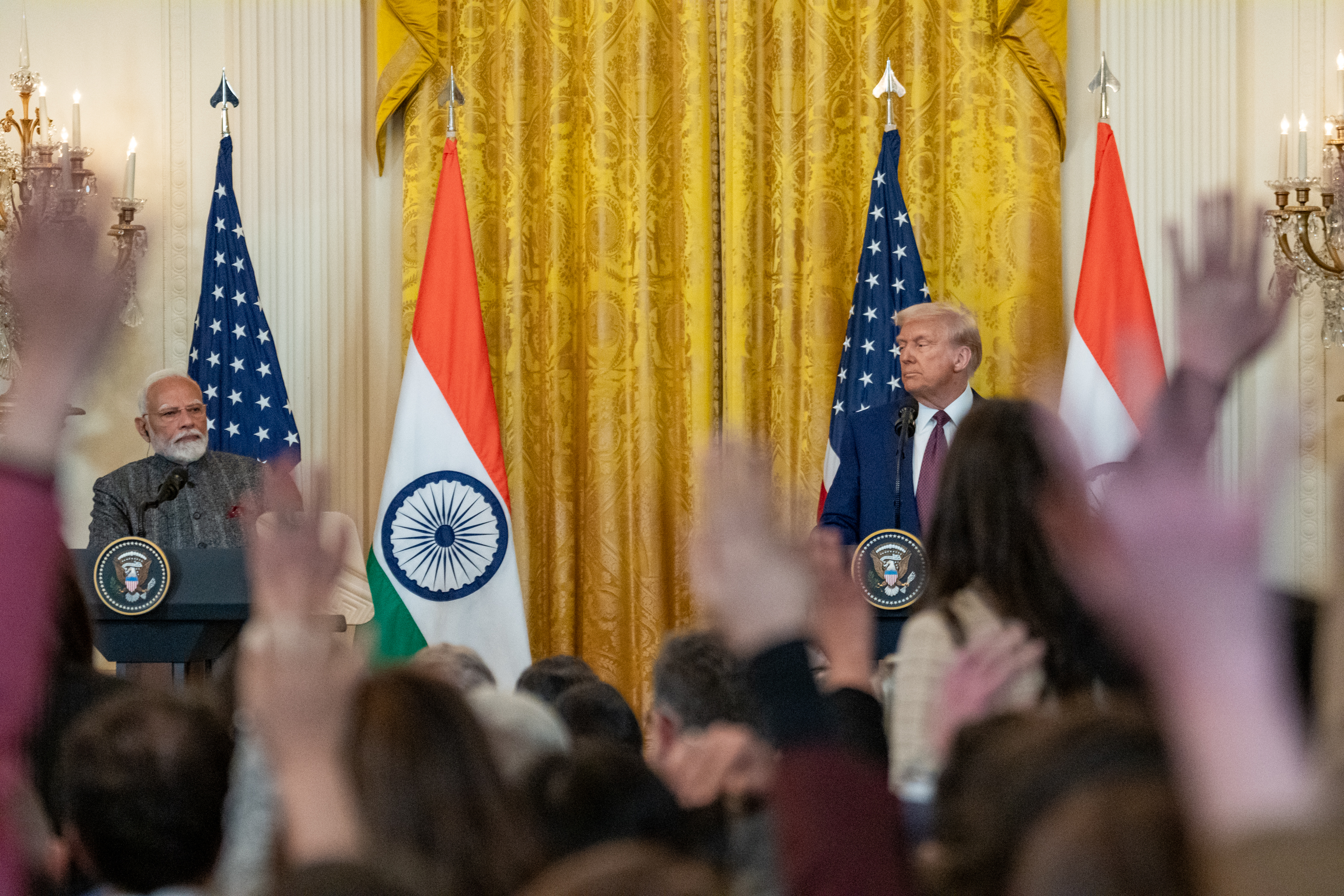
For the past twenty years, the logic of American foreign policy in Asia has been simple: Build up India to box in China. Successive administrations, from George W. Bush to Joe Biden, pursued a policy of “strategic altruism.” They bent nuclear proliferation rules, shared cutting-edge technology, and looked the other way on trade disputes, all in the hope that a strong India would serve as a democratic bulwark in the Indo-Pacific. In 2025, that era came to a crashing halt. In this week’s podcast, I explored this dramatic shift, drawing on a provocative analysis by Chinese scholar Mao Keji titled Favorite…
-
A New Defense Strategy Signals the End of Containment and the Dawn of a Chinese Century From the Explaining History Podcast This article is a detailed companion piece to our recent podcast episode analyzing the seismic shifts in US-China strategy. It expands on the key themes and historical forces discussed in the show. You can listen to the full episode here to dive deeper into the discussion: Listen on Spotify | Listen on Apple Podcasts | Listen on our Website A tectonic shift is occurring in global geopolitics, one that signals the end of an era. For decades, American foreign policy in Asia has…