-
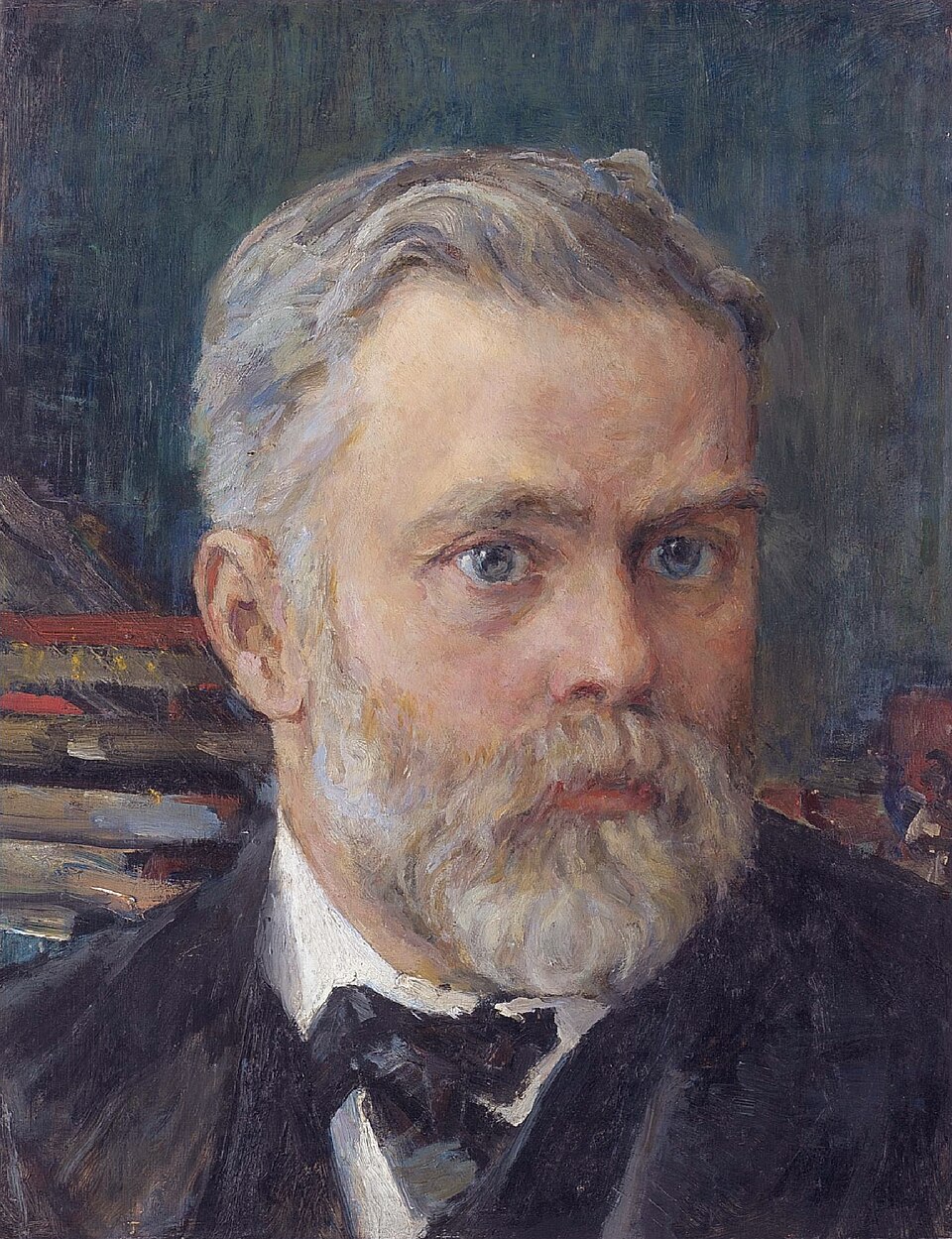
In the latest episode of the Explaining History Podcast, Douglas Brunt shares the neglected story of Emmanuel Nobel, who built a vast oil empire only to be erased from history by Stalin. Despite his significant contributions and treatment of workers, his legacy was systematically obliterated, reflecting how individuals can be lost in historical narratives.
-
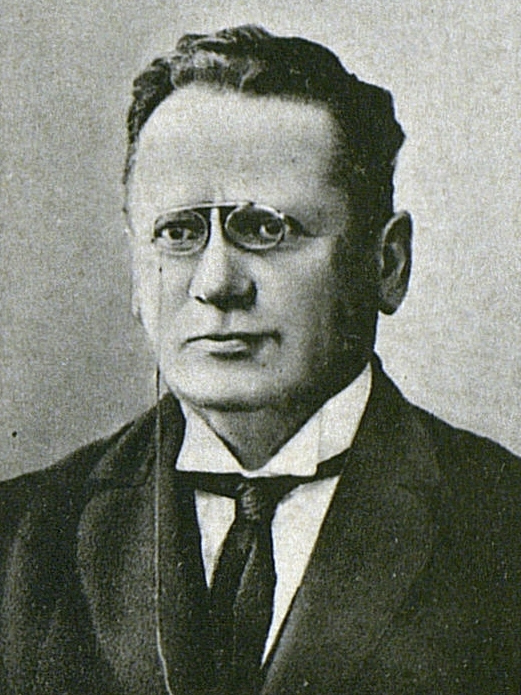
In March 1917, the Tsar fell. Within days, Russian political exiles scattered across Europe began packing their bags. The only problem was getting home—and that meant going through London. The News Arrives When the February Revolution happened in 1917, one of the key challenges for governments around the world was trying to make sense of it. Russia was a difficult country to understand at the best of times. Under revolutionary conditions, it became almost impossible. Whose reports could be trusted? Which factions would prevail? And what would it all mean for the ongoing war against Germany? In Britain, the picture…
-
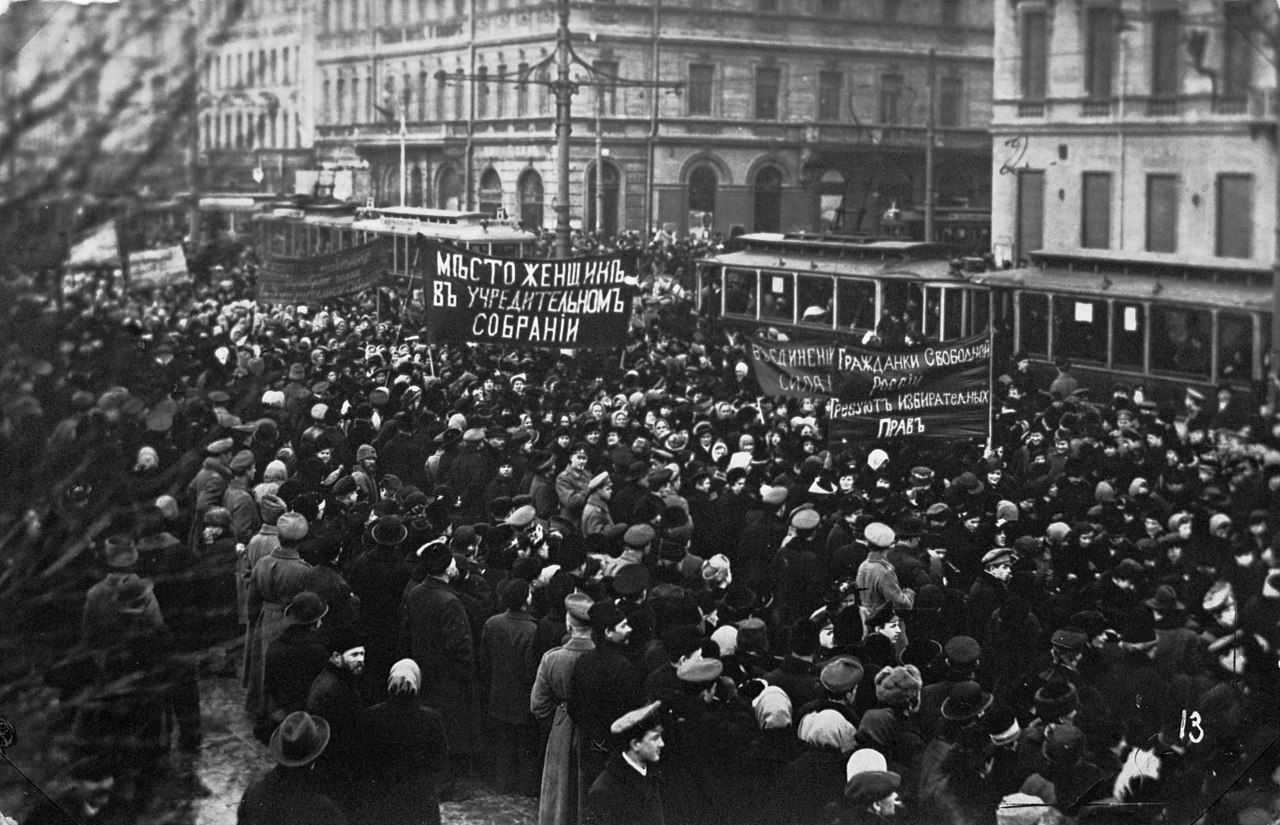
The Russian Revolution of 1917 is not just a historical event; it is a battlefield of interpretation. For over a century, historians have argued over why the Romanov dynasty fell and how the Bolsheviks seized power. Was it the inevitable march of history? A violent coup by a small band of fanatics? or a genuine popular uprising betrayed by dictatorship? In this week’s podcast, I explored these competing historiographies, arguing that understanding how history is written is just as important as knowing the dates and names. The Soviet Orthodoxy For decades, the official Soviet line was one of inevitability. Drawing on a rigid interpretation of Marxism, Soviet…
-
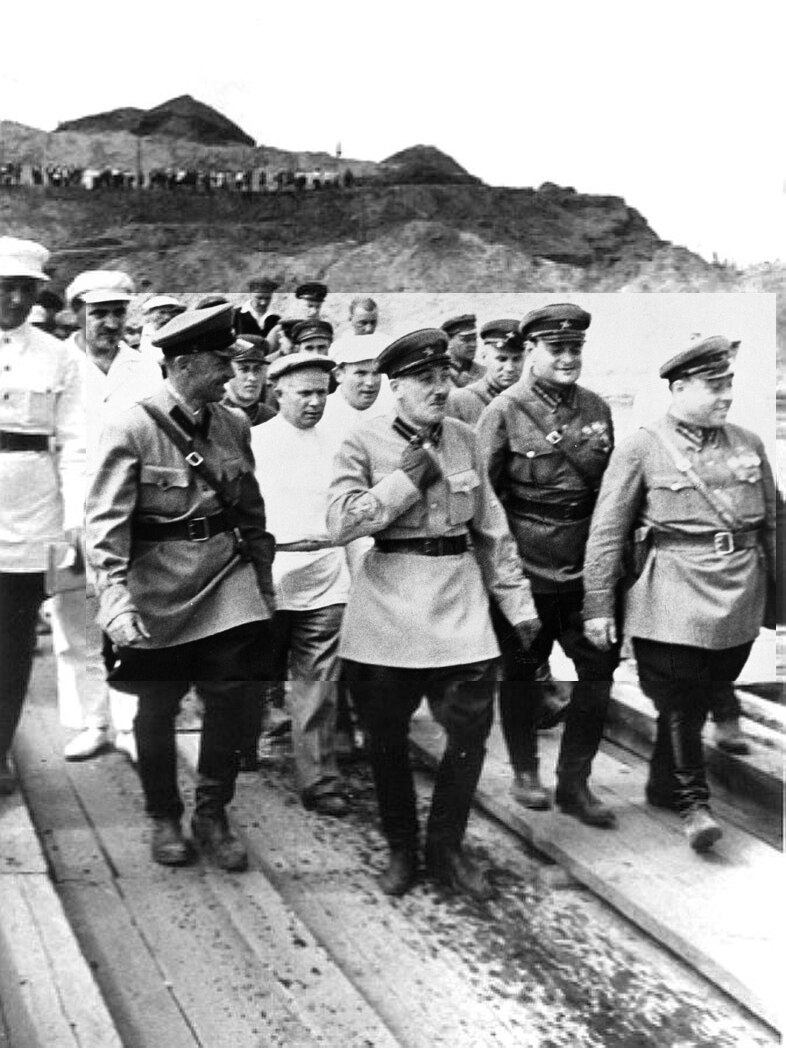
When we think of the Stalinist terror, we often focus on the show trials of Old Bolsheviks or the chilling knock on the door in the middle of the night. But behind the theatrical cruelty lay a vast, grinding bureaucracy—a system of camps that became a state within a state.
-

The collapse of the Russian Army in World War I is often attributed to the overwhelming industrial superiority of Germany or the political decay of the Romanov dynasty. However, a closer inspection reveals a more specific, structural failure: the inability of the Russian military establishment to process the data generated by its own defeat a decade earlier.
-

A familiar narrative following the dissolution of the USSR is that Cold War ended because Western capitalism triumphed over a backward, inefficient communist system. But what if the real story is about an empire buckling under the weight of its own military spending—a lesson with stark relevance for today? In the early 1990s, a wave of triumphalism swept the West. The Soviet Union had vanished, seemingly without the apocalyptic violence that accompanied the fall of other empires. The narrative was seductive: Reagan’s tough stance and the inherent superiority of free markets had consigned Marxism-Leninism to the “ash heap of history.”…