-

On the morning of 11 September 2001, nineteen men boarded four commercial aircraft on the east coast of the United States and turned them into weapons. By the time the day was over, nearly 3,000 people were dead, two of the most recognisable buildings in the world had collapsed, and the most powerful government on earth had begun the process of deciding what it would do in response. The decisions it made over the following months and years reshaped the world in ways that are still being reckoned with.
-
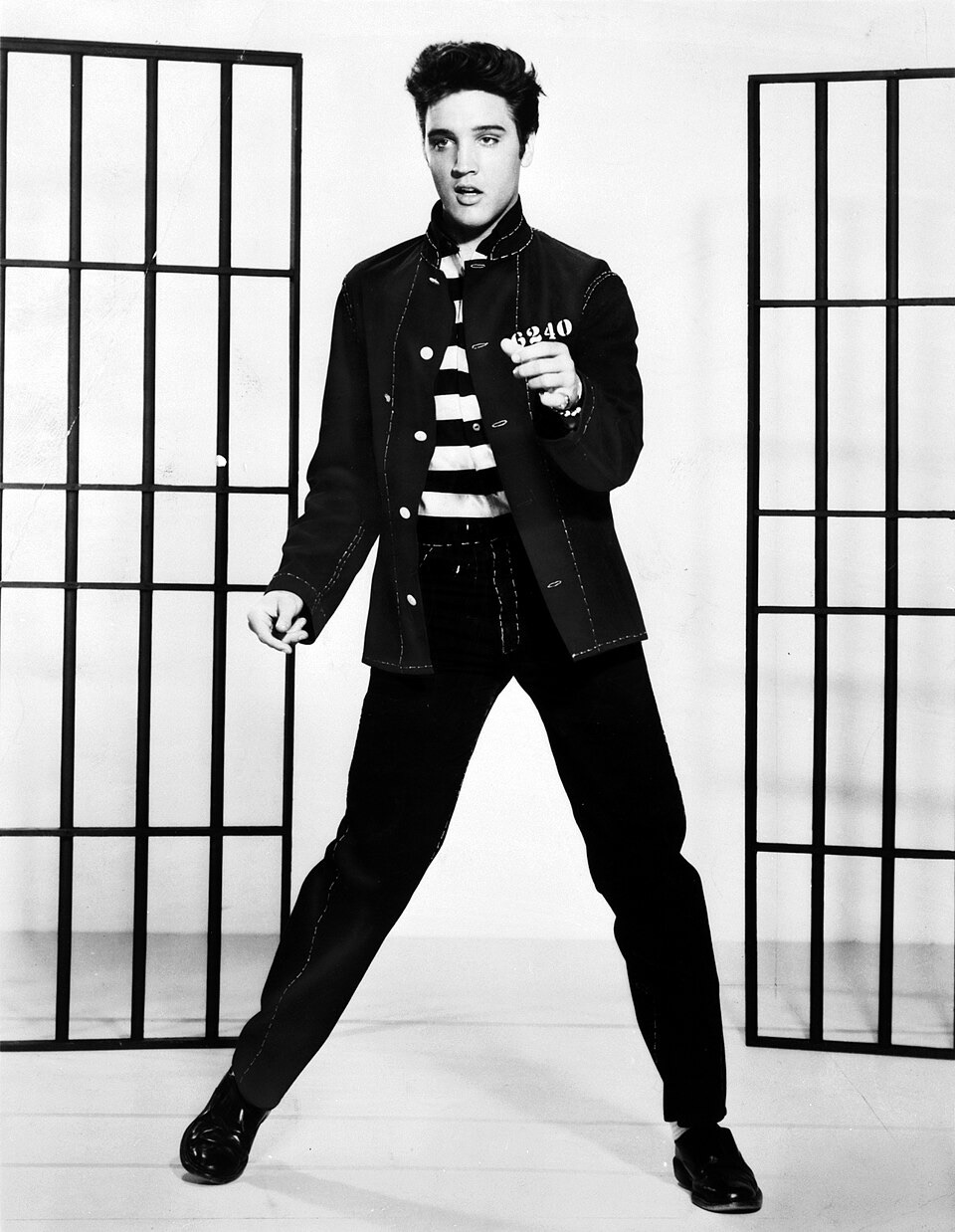
Rock and roll did not begin on the day Elvis Presley walked into Sun Studio in Memphis. It had been building for decades in the Black churches and juke joints of the American South. What changed in 1955 was not the music but the audience — and, behind the audience, the industry that decided white teenagers were ready to buy it.
-

When Betty Friedan named “the problem that has no name” in 1963, she gave language to a dissatisfaction that millions of women had been living without the words to describe. What followed — the women’s liberation movement of the 1960s and 1970s — was the most far-reaching cultural revolution of the postwar era. It was also an unfinished one.
-

In August 1981, three days after eleven thousand members of the Professional Air Traffic Controllers Organisation walked off the job in defiance of a federal law prohibiting strikes by government employees, President Ronald Reagan fired all of them, banned them from federal employment for life, and ordered the Federal Aviation Administration to begin immediately training replacements. The action was not unprecedented — there was legal authority for it — but no president had previously used that authority in this way against a union of middle-class professionals who had, moreover, endorsed Reagan in the 1980 election. The PATCO strike was broken…
-

In the spring of 1968, something happened that had not happened before and has not happened since: a set of political explosions occurred simultaneously in countries that had almost nothing in common — in their economies, their political systems, their social structures, their histories — but that nonetheless felt, to those participating in them and to those watching from outside, as if they were expressions of a single underlying rupture. Students in Paris built barricades in the Latin Quarter and triggered a general strike that briefly seemed capable of ending the Fifth Republic. Students in Prague celebrated a Communist Party…
-

The demographic transformation that made Black music audible to a mass American audience began in the decade before World War I and accelerated dramatically during and after it. The Great Migration — the movement of Black Southerners out of the Jim Crow South toward the industrial cities of the North — reshaped the human geography of the United States and carried with it the musical cultures of the Mississippi Delta, the Georgia sea islands, the Texas plains, and the New Orleans streets.
-

When the United States entered the Second World War, Hollywood did not wait to be asked. The studios mobilised with a speed and enthusiasm that surprised even the government agencies tasked with directing them. What followed was one of the most remarkable experiments in democratic propaganda in modern history — a partnership between the world’s most powerful entertainment industry and a government fighting for its survival.
-
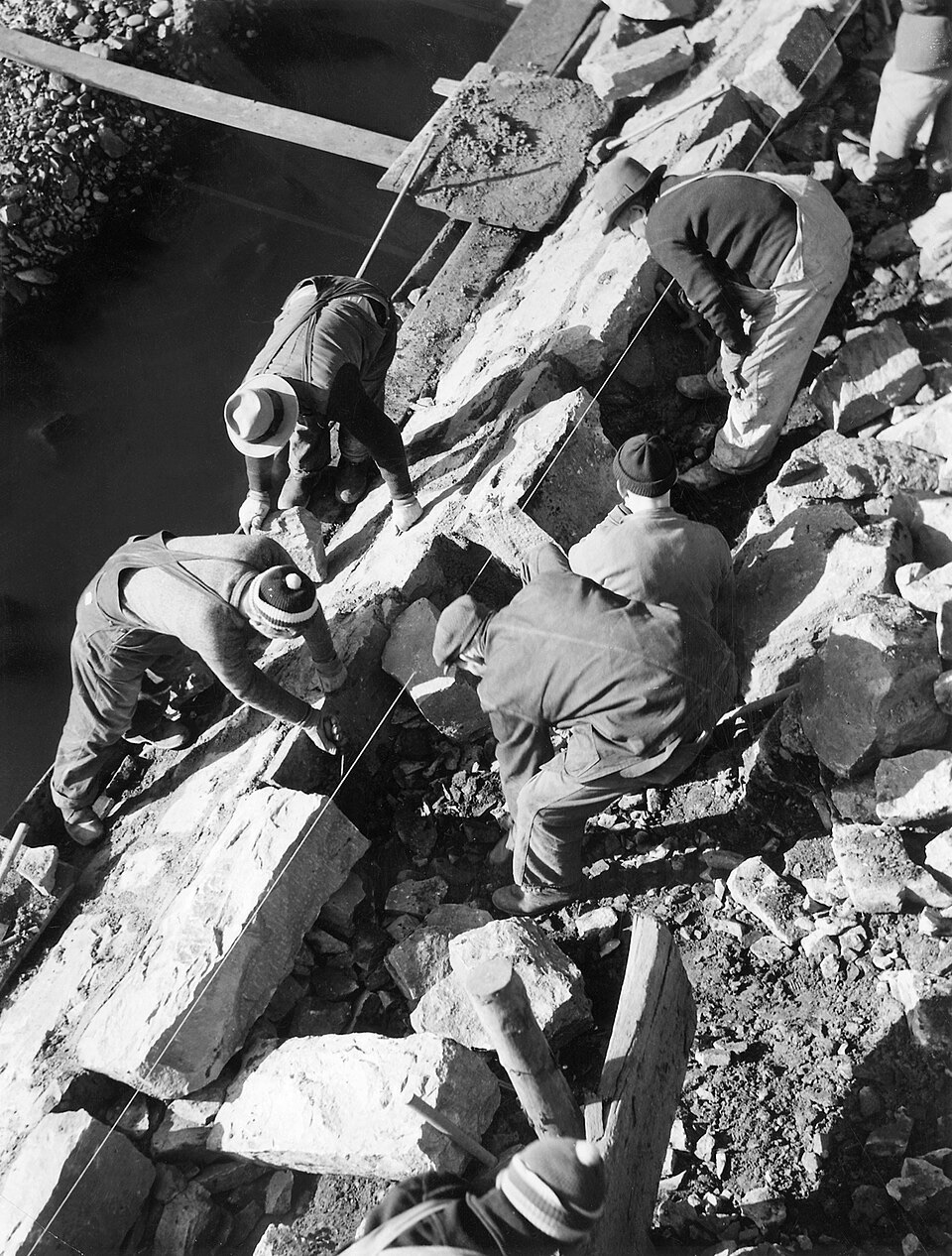
During the Great Depression, the American West faced severe economic hardship, with the Dust Bowl and plummeting commodity prices leaving farms and ranches struggling. The New Deal, spearheaded by FDR, implemented programs like the CCC, WPA, and PWA to create jobs and restore economic stability.
-
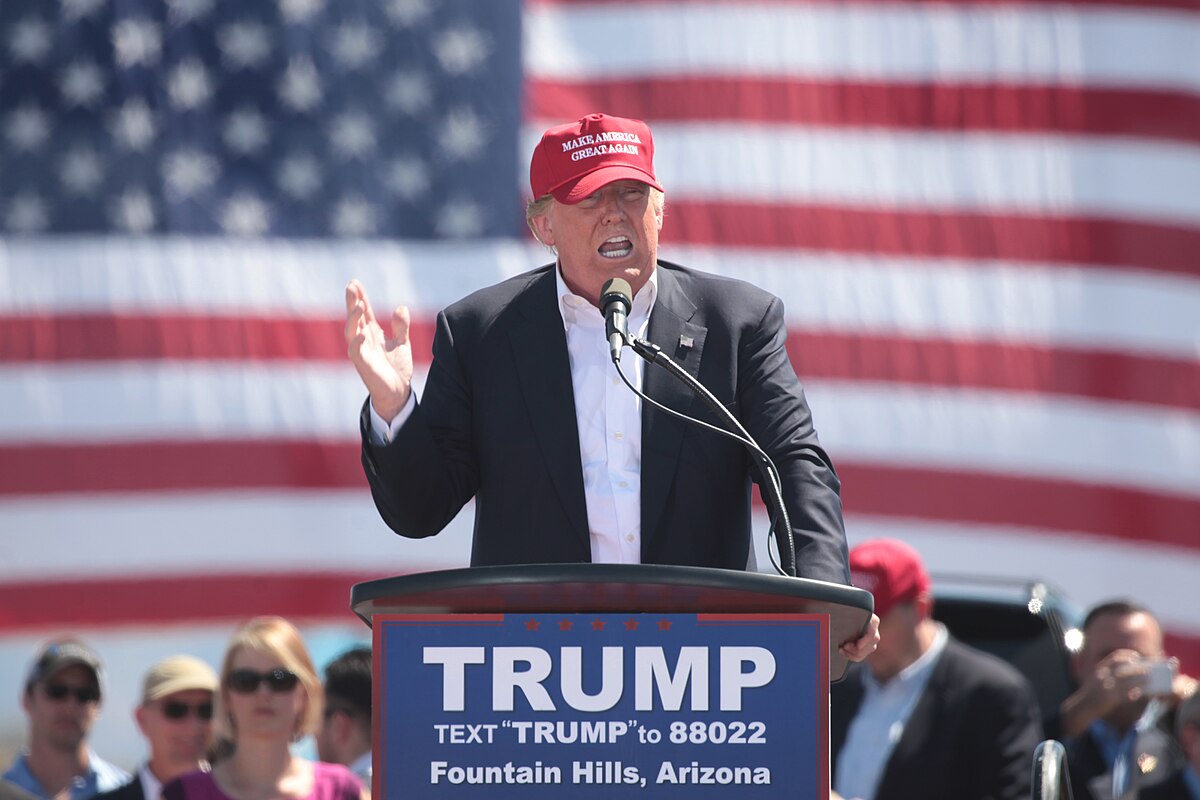
In this week’s podcast, I attempted to synthesize the current moment, drawing on the analysis of commentators like Robert Reich and looking at the deeper structural forces at play. We are witnessing a low-level civil war across the West, but it isn’t the traditional battle between socialism and capitalism. Instead, it is a conflict between two factions of capital itself.
