-
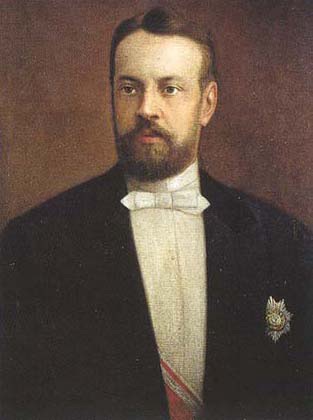
How Witte’s state-driven industrialisation of the 1890s made Russia a modern power — and manufactured the working class that would rise against the autocracy in 1905 and 1917.
-
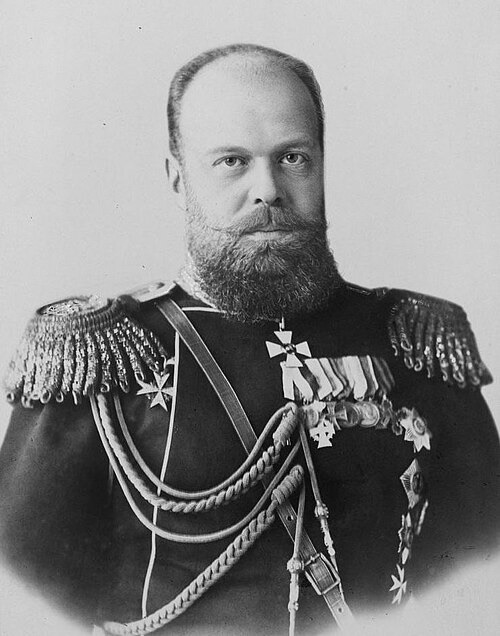
The counter-reforms, Russification and the paradox of a regime that industrialised the economy while forbidding the political change industrialisation everywhere produced.
-
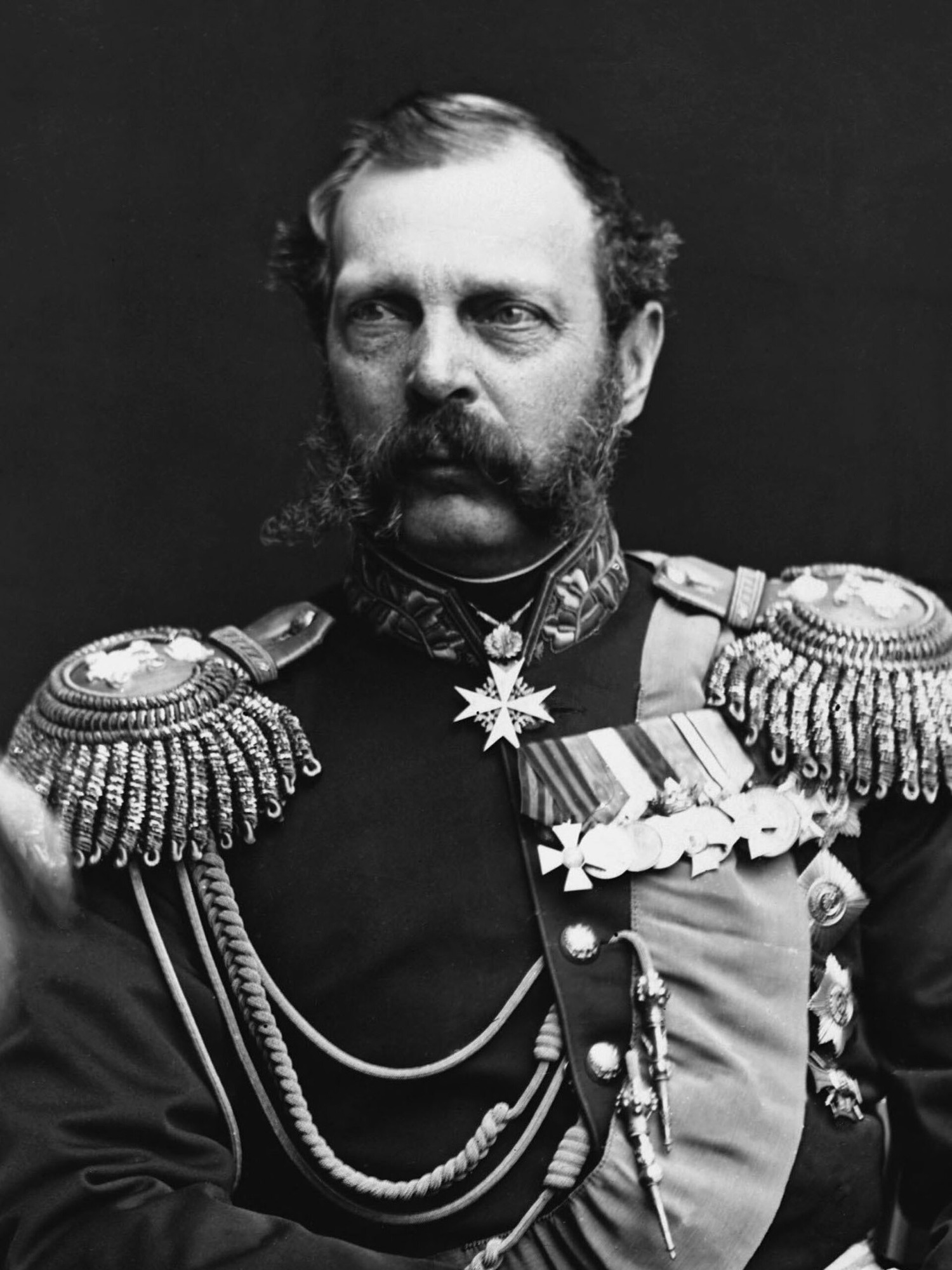
Emancipation, the zemstva, the law courts and the military reforms — and why every Great Reform stopped short of limiting the autocracy that made it.
-
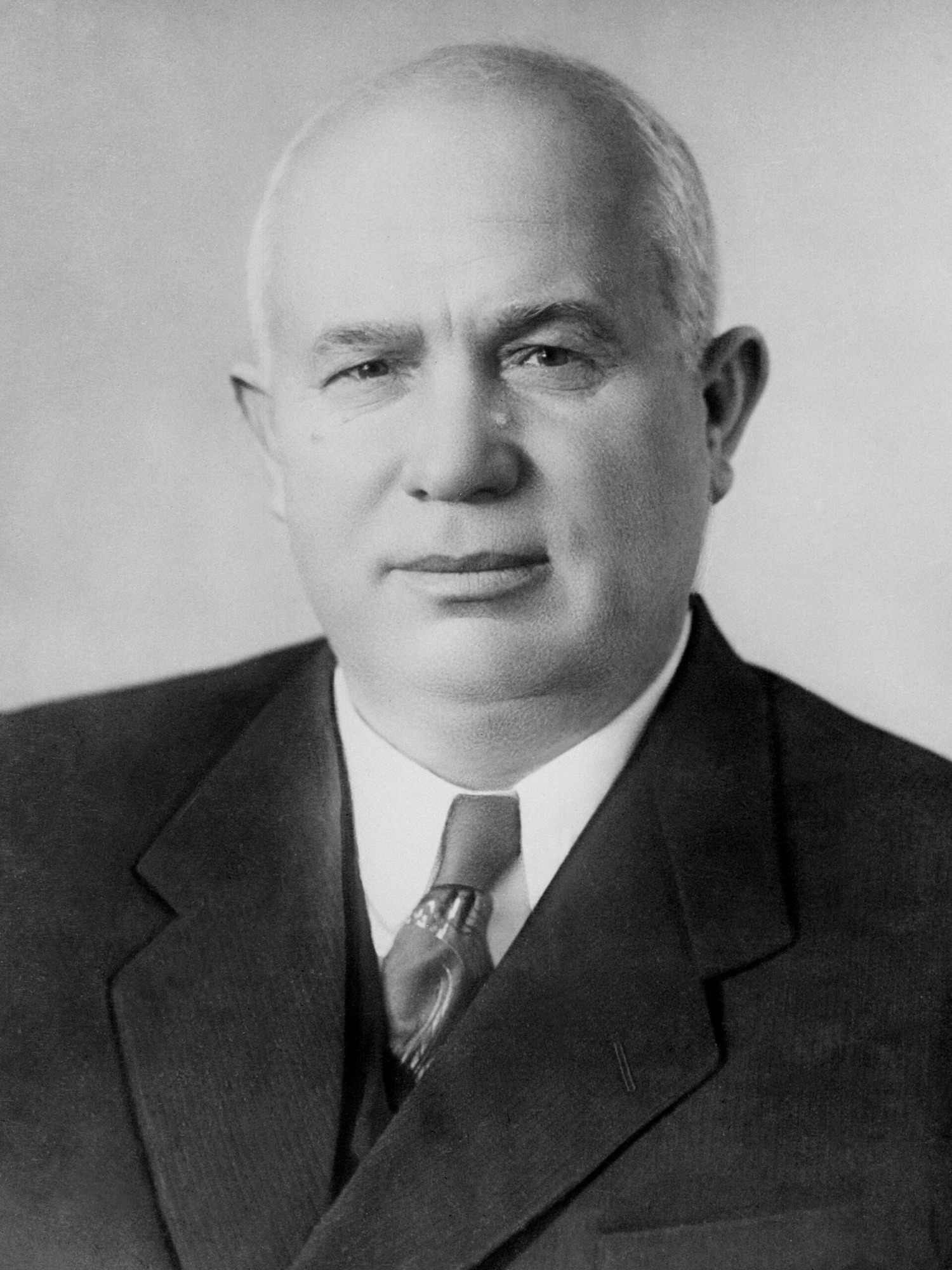
How Khrushchev tried to reform Stalinism without surrendering the Party’s monopoly — de-Stalinisation, the Virgin Lands, living standards and the limits of the Thaw.
-
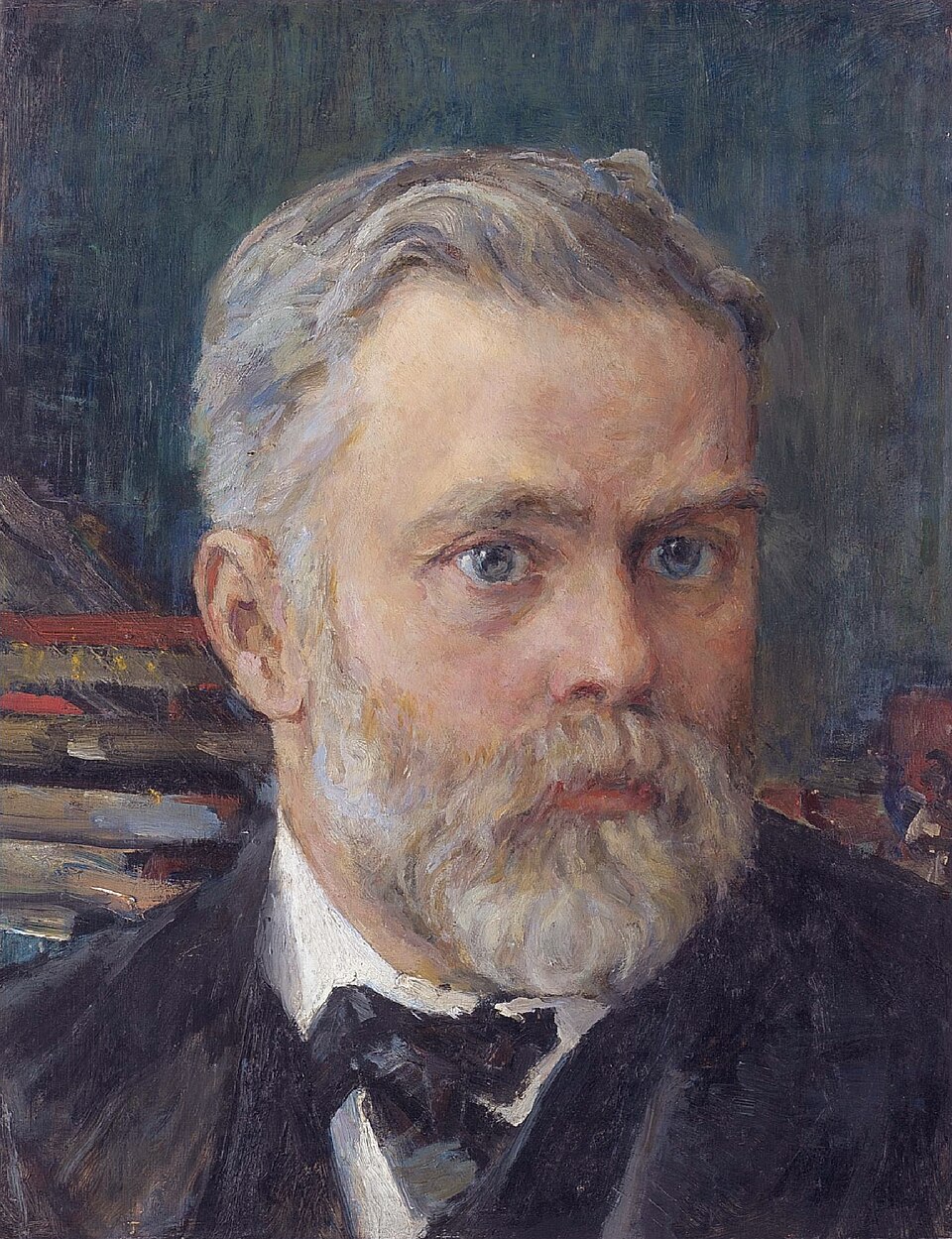
In the latest episode of the Explaining History Podcast, Douglas Brunt shares the neglected story of Emmanuel Nobel, who built a vast oil empire only to be erased from history by Stalin. Despite his significant contributions and treatment of workers, his legacy was systematically obliterated, reflecting how individuals can be lost in historical narratives.
-

The collapse of the Russian Army in World War I is often attributed to the overwhelming industrial superiority of Germany or the political decay of the Romanov dynasty. However, a closer inspection reveals a more specific, structural failure: the inability of the Russian military establishment to process the data generated by its own defeat a decade earlier.
-

A familiar narrative following the dissolution of the USSR is that Cold War ended because Western capitalism triumphed over a backward, inefficient communist system. But what if the real story is about an empire buckling under the weight of its own military spending—a lesson with stark relevance for today? In the early 1990s, a wave of triumphalism swept the West. The Soviet Union had vanished, seemingly without the apocalyptic violence that accompanied the fall of other empires. The narrative was seductive: Reagan’s tough stance and the inherent superiority of free markets had consigned Marxism-Leninism to the “ash heap of history.”…
-
Introduction The announcement of the Marshall Plan in June 1947 presented the Soviet Union with a profound strategic dilemma. The offer of American economic aid to all of Europe, including the USSR and its nascent Eastern European sphere of influence, was a masterstroke of Western diplomacy that placed the Kremlin in a precarious position. To participate would mean opening the Soviet economy to Western scrutiny, potentially loosening control over Eastern Europe, and legitimizing a U.S.-led vision for the continent. To reject it risked appearing obstructive, confirming Western accusations of Soviet hostility, and allowing the consolidation of a Western bloc from…
-
By spring 1945 the tide of World War II had turned decisively. Nazi Germany would surrender within weeks, and even as fighting raged on in the Pacific the Axis defeat was seen as imminent. In this atmosphere U.S. President Franklin D. Roosevelt died (April 12) on “the eve of complete military victory in Europe,” just months before Japan’s defeat . His successor, Harry Truman, knew that the postwar settlement could not wait for total victory. Addressing the San Francisco meeting, Truman declared that delegates’ task was singular: “You are to write the fundamental charter” of a new organization whose “sole…
-
The Yalta Conference of early February 1945 took place in a devastated World War II Europe. By that point Allied victory in Europe was all but certain – Soviet armies were closing on Berlin from the east, while American and British forces were pushing in from the west . Yet the war against Japan still raged in the Pacific, and the three leaders (Churchill, Roosevelt, Stalin) gathered in Livadia Palace, Crimea, to decide the final defeat of Germany and the shape of the postwar world . The setting itself was striking: Yalta was a Black Sea resort left in ruins…