-

When the United States entered the Second World War, Hollywood did not wait to be asked. The studios mobilised with a speed and enthusiasm that surprised even the government agencies tasked with directing them. What followed was one of the most remarkable experiments in democratic propaganda in modern history — a partnership between the world’s most powerful entertainment industry and a government fighting for its survival.
-
The Second World War was fought on two fronts simultaneously: the military and the cultural. Governments on both sides understood that modern industrial warfare required the consent and active participation of civilian populations, and that consent had to be manufactured, sustained, and defended against erosion. What divided Britain and Germany was not the willingness to use culture as a weapon, but the very different relationships each had with truth.
-

The collapse of the Third Republic in June 1940 was a political decision, not just a military outcome. Divided between “Resisters” led by Paul Reynaud, who wished to continue the war from North Africa, and “Armistice” advocates led by Marshal Pétain, the government ultimately chose to seek terms with Germany. This choice was driven by a military leadership that feared internal social disorder more than occupation and a conservative elite who viewed the defeat as an opportunity for an authoritarian “National Revolution.” The resignation of Reynaud and the National Assembly’s vote to grant Pétain full powers marked the legal end…
-
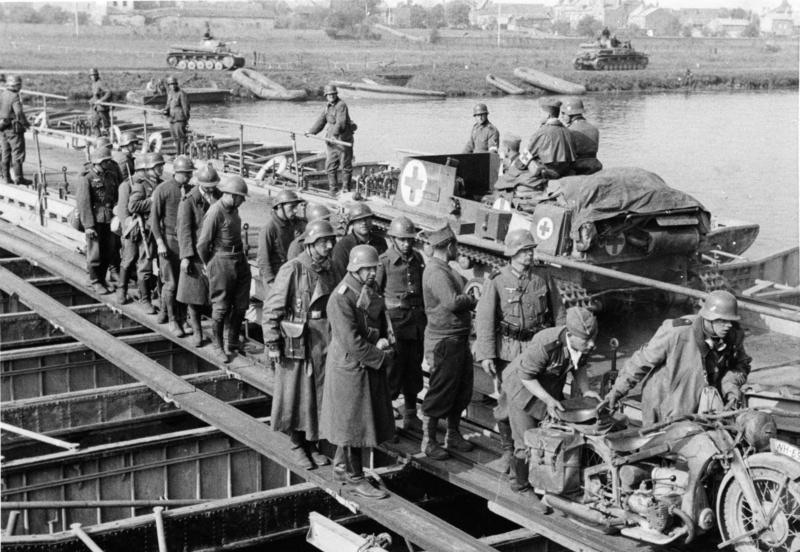
The German breakthrough in the Ardennes in May 1940 was not a result of a lack of intelligence, but a catastrophic failure of analysis driven by cognitive dissonance. French military doctrine deemed the Ardennes “impassable” for tanks, leading the High Command to dismiss ample evidence—including aerial reconnaissance and warnings from Swiss intelligence—that the Germans were massing there. Trapped by “confirmation bias,” General Gamelin interpreted German moves as feints, focusing his attention on the diversionary attack in Belgium. This intellectual rigidity allowed the Wehrmacht to execute a high-risk logistical gamble, pushing huge armored columns through narrow roads unopposed, turning a geographical…
-
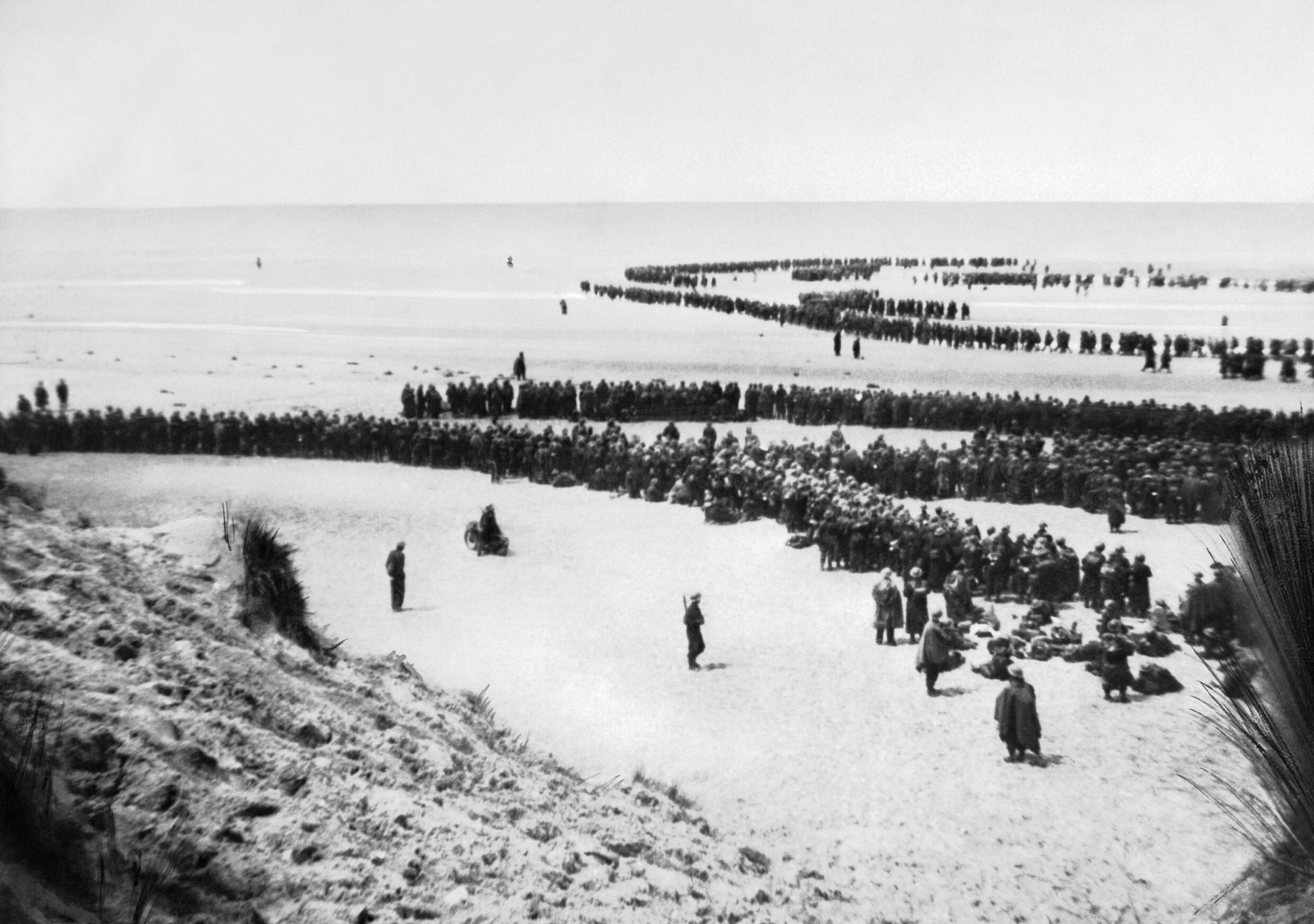
The collapse of the Anglo-French alliance in 1940 was a bitter “divorce” fueled by strategic divergence and mutual suspicion. As the military situation deteriorated, Britain refused to commit its air reserves to the lost battle in France, prioritizing island defense. The evacuation of Dunkirk, viewed as a miracle in Britain, was seen in France as a betrayal where the British army escaped while the French rearguard was sacrificed. This animosity exploded with the British attack on the French fleet at Mers-el-Kébir, killing nearly 1,300 French sailors. This act solidified the legitimacy of the Vichy regime, allowing Pétain to portray Britain…
-

The mass flight of 8–10 million civilians known as L’Exode (The Exodus) was a decisive factor in the Fall of France in 1940. Triggered by memories of 1914 atrocities and Luftwaffe terror bombing, the panic clogged the road networks, paralyzing Allied troop movements and logistics. The German army ruthlessly weaponized the crisis, using refugees as human shields and obstacles to prevent French counter-attacks. The simultaneous flight of civil authorities (mayors, police) created an administrative vacuum, shattering the social contract. This humanitarian catastrophe broke the government’s will to fight, fueling the demand for an armistice and paving the way for the authoritarian “order”…
-
The post-war claim that France’s defeat in 1940 was caused by a lack of weapons and the Popular Front’s “40-hour week” is a historical myth concocted by the Vichy regime. Statistical analysis reveals that the French army actually possessed a numerical superiority in heavy artillery and tanks (such as the superior Char B1 bis) and had achieved parity in aircraft production by May 1940. The true causes of the industrial failure were the deflationary austerity of the early 1930s, the chaotic management of nationalization in the aviation sector, and a catastrophic logistical system that failed to distribute existing reserves to…
-

The collapse of the French Army in 1940 was an intellectual failure born of doctrinal asymmetry. Traumatized by the slaughter of WWI, the French High Command adopted La Bataille Conduite (“Methodical Battle”), a highly centralized doctrine prioritizing firepower and rigid timetables to minimize casualties. In contrast, the Wehrmacht utilized the Prussian tradition of Auftragstaktik (“Mission Command”), which empowered subordinates to make rapid, independent decisions. Hampered by a distrust of radios and the dispersal of tanks, the French command cycle was overwhelmed by the tempo of German operations. The result was a cognitive paralysis where French orders consistently arrived too late to influence the battle,…
-
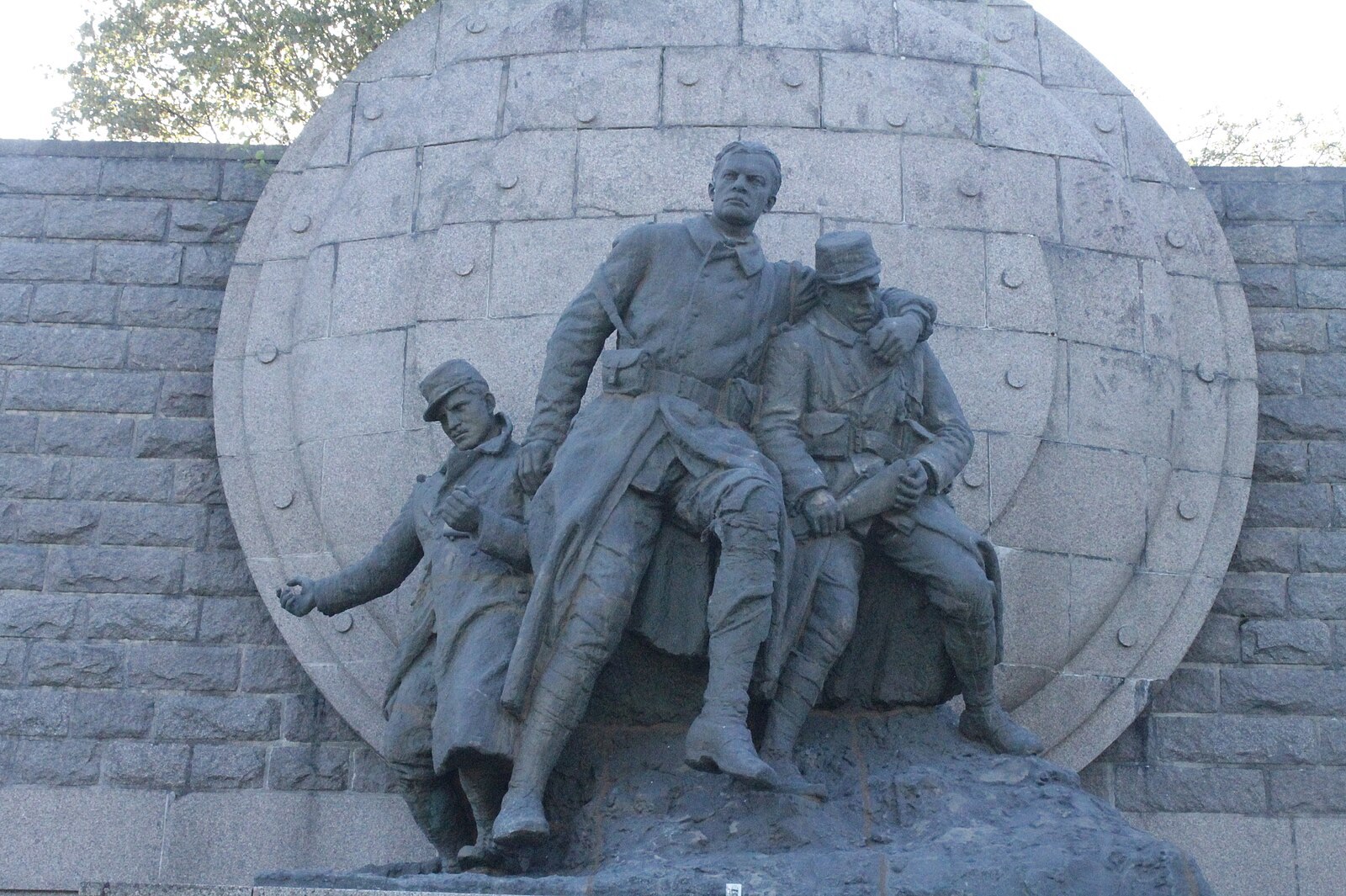
The eight-month period known as the Phoney War (La Drôle de Guerre) was not merely a prelude to battle, but a decisive psychological defeat for France. While the French army successfully utilized the pause to increase tank and aircraft production, the prolonged inactivity actively corroded military discipline and national cohesion. Plagued by boredom, alcoholism, and a lack of training, the mobilized reservists fell victim to sophisticated German propaganda and the internal political fractures of the Third Republic, particularly the suppression of the Communist Party. By May 1940, the French army was materially stronger but morally brittle, effectively defeated by aimlessness…
-
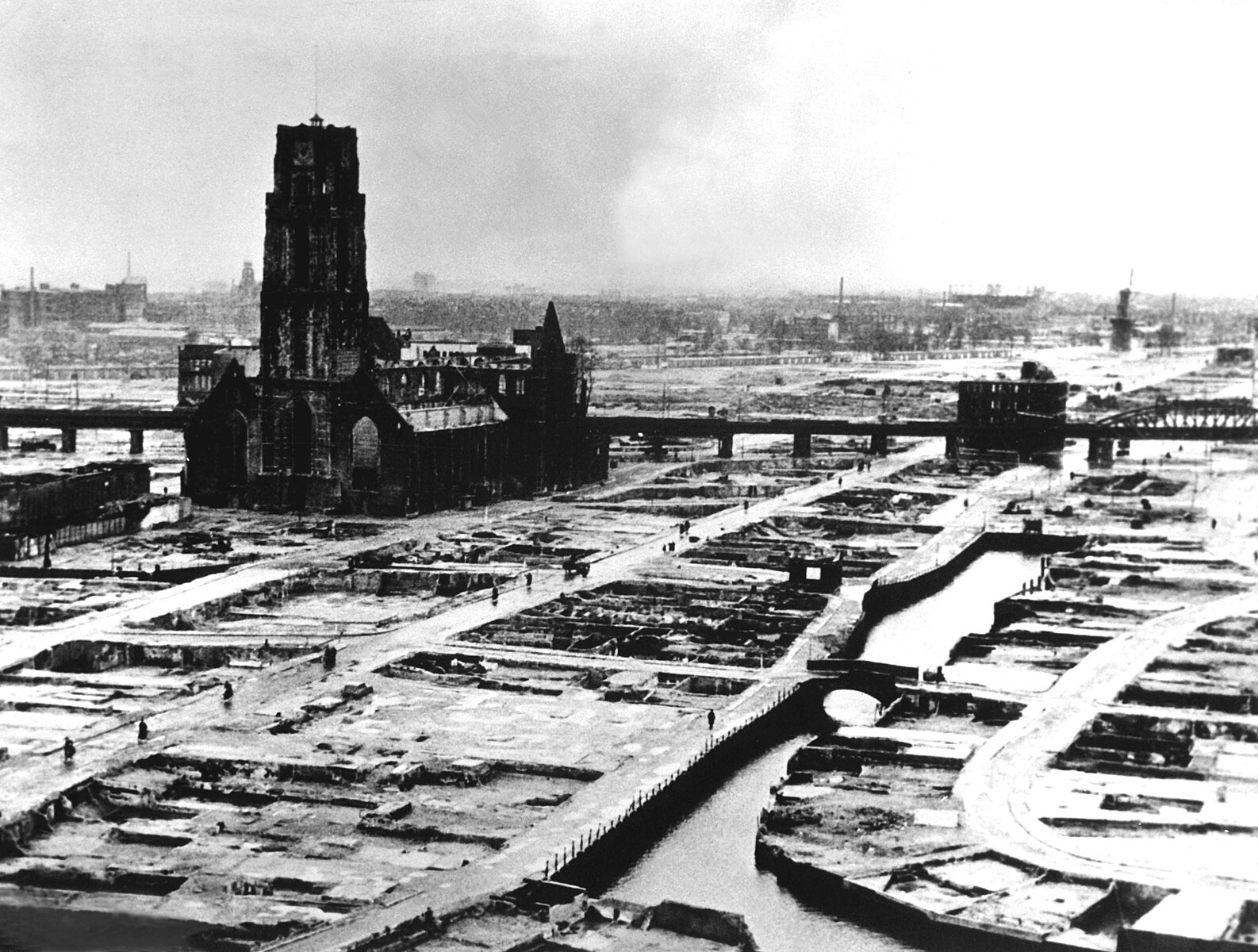
The collapse of the Low Countries in May 1940 was precipitated by a catastrophic failure of diplomatic strategy. Following the remilitarization of the Rhineland, Belgium and the Netherlands retreated into a strict, armed neutrality, severing military coordination with France and Britain. This “Policy of Independence” created a strategic vacuum on France’s northern flank, preventing the Allies from preparing defensive lines in Belgium. Consequently, Allied forces were forced to execute the risky “Dyle Plan,” rushing into unprepared positions at the moment of invasion. The lack of interoperability, the delusion of the “Oslo States” bloc, and the swift capitulation of King Leopold…