-

The 20th century redefined global labour migration with the rise of temporary guest workers, transforming economies through transient yet crucial labor cycles. Discover how these programs shaped modern capitalism’s heart.
-
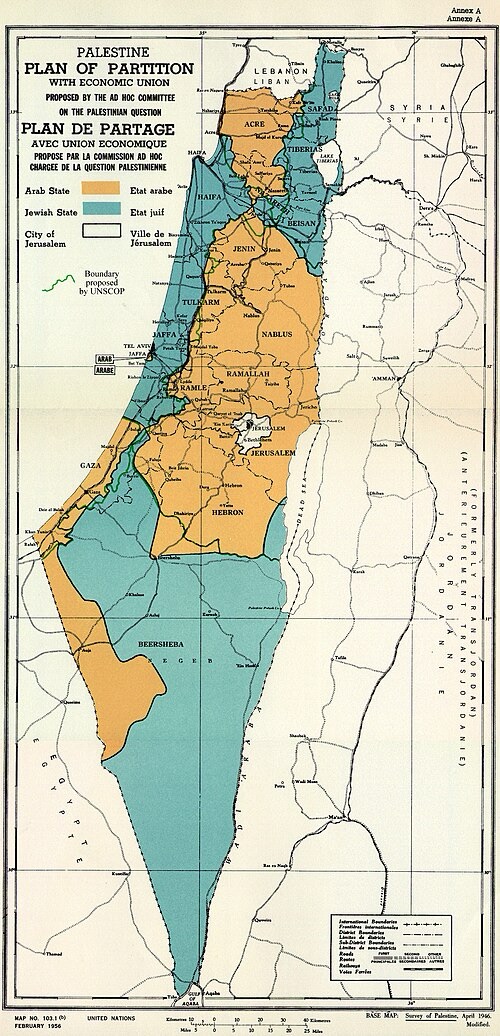
The British withdrawal in 1947-48 triggered simultaneous national traumas, laying the foundation for massive displacement and identity crises.
-
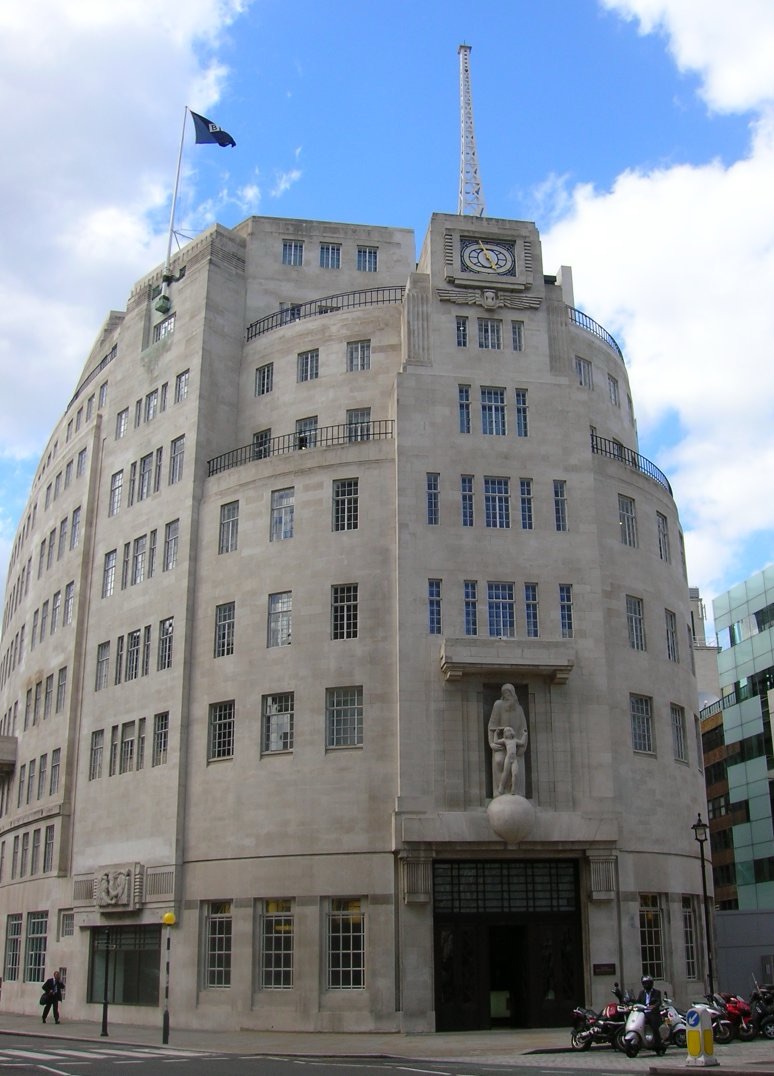
The BBC Empire Service emerged as Britain’s audacious attempt to unify its vast empire via radio waves. This technological marvel aimed to create an imperial consciousness, but reality was far more complex.
-

Explore the transformative power of refugee testimonies. From the Armenian Genocide to the Syrian Civil War, witness how personal stories preserve memory and forge empathy in a fractured world
-

In today’s world, propaganda is more than just chaotic noise; it’s a strategic masterpiece engineered to shape public perception. From WWI’s aftermath to today’s media landscapes, states have mastered the art of influencing minds. Discover how modern propaganda builds consensus and reshapes reality.
-
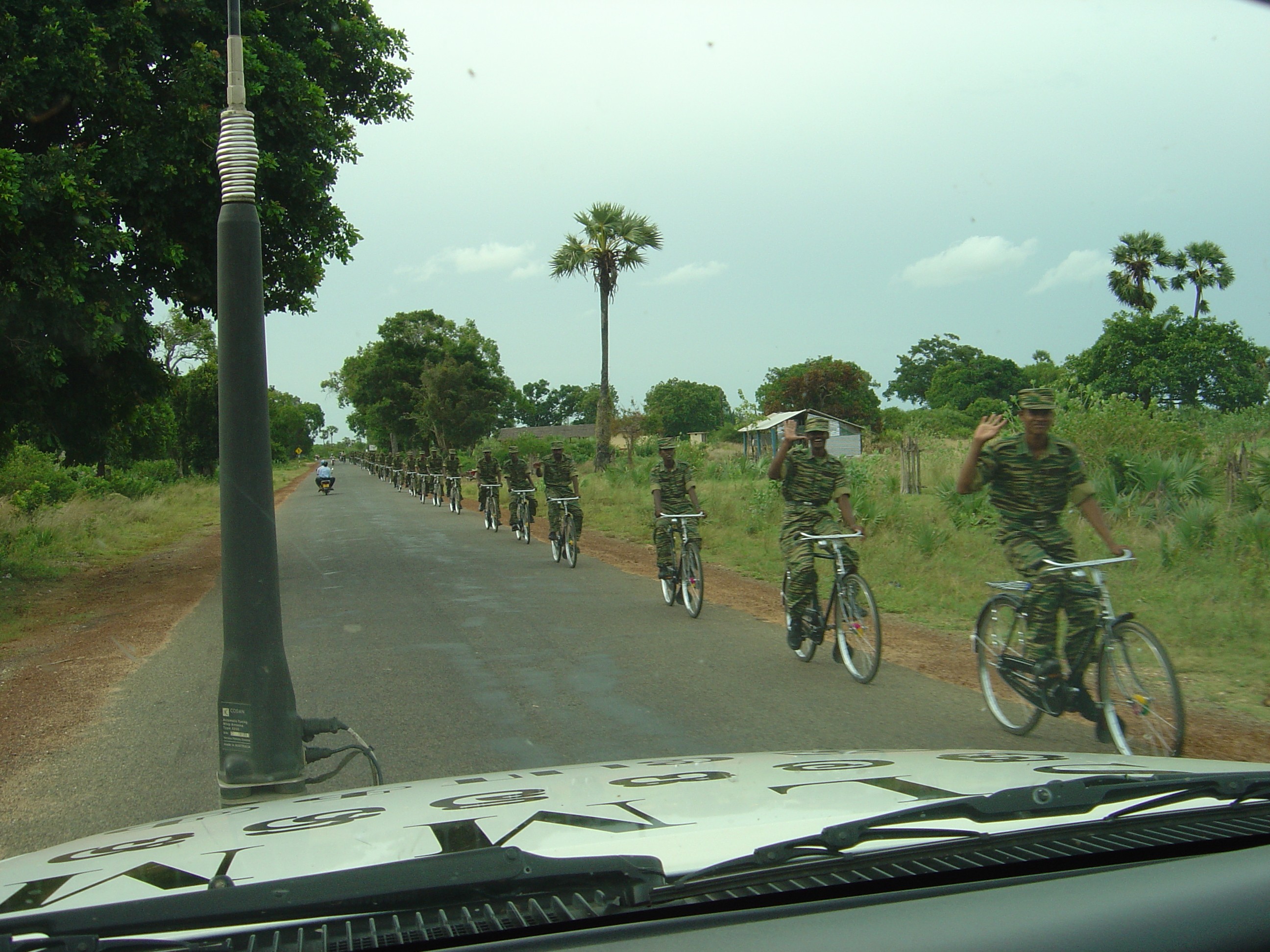
Discover how the Liberation Tigers of Tamil Eelam (LTTE) built a complex de facto state in Sri Lanka’s Northern Vanni region, transforming from guerrillas to territorial rulers. Explore their governance model that offered efficient administration while enforcing authoritarian control.
-
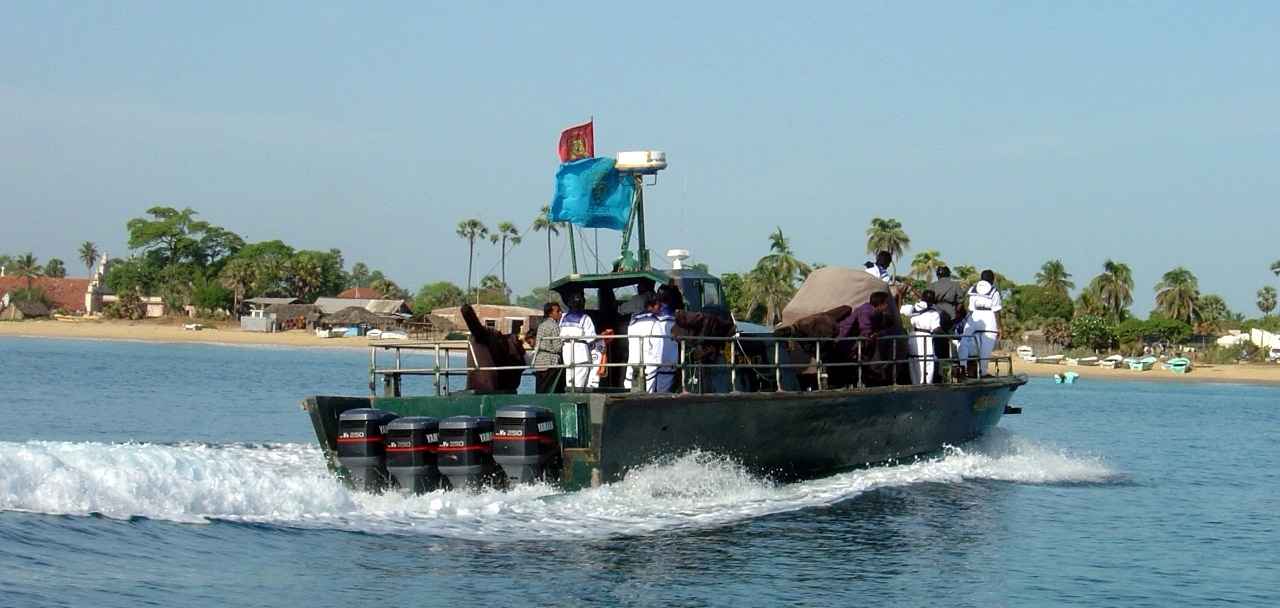
Unravel the financial backbone of Sri Lanka’s civil war: the diaspora’s role in sustaining a modern insurgency. Delve into how global networks fueled LTTE’s resilience and isolation.
-

The emergence of the Liberation Tigers of Tamil Eelam (LTTE) as the preeminent and, ultimately, sole belligerent force of Tamil secessionism was never inevitable. In the late 1970s, the landscape of Tamil militancy in Sri Lanka was fragmented, populated by competing groups with varying ideologies and strategies. The LTTE’s ascent from obscurity to hegemony was the result of a deliberate, ruthless, and brilliantly executed strategy by its founder, Velupillai Prabhakaran.
-

This case study examines the implementation and consequences of the White Revolution’s agrarian reforms in Gilan, the verdant Caspian province with a distinct history of peasant activism and political radicalism. As detailed in the main overview, the Pahlavi land reform program was a nationwide policy of social engineering. In Gilan, however, it encountered a rural society uniquely shaped by its ecology of rice and tea cultivation, its legacy of the Jangal (Forest) Movement and the Soviet Republic of Gilan (1920-21), and a peasantry with a demonstrated capacity for organization.
-

This analysis explores the distinct regional impact of the Shah’s White Revolution (Enqelāb-e Sefid) on Mazandaran, the fertile Caspian province whose lush, rain-fed villages presented a stark contrast to the arid agrarian landscapes of central and eastern Iran. As detailed in the main overview of the White Revolution, the land reform program was a nationwide policy, but its effects were profoundly mediated by local ecology, existing social structures, and economic patterns. In Mazandaran, the reforms interacted with a unique context of small-scale rice cultivation, complex horticulture, and historically stronger peasant agency, leading to outcomes that differed significantly from those in…