-

When we think of the First World War, our minds inevitably drift to the mud of Flanders or the Somme. From a British perspective, the war was fought “over there”—a conflict of expeditionary forces where the homeland remained safe from land invasion. But for the Central Powers, the war began with a terrifying reality: the enemy was at the gate. In this week’s podcast, I explored Alexander Watson’s Ring of Steel to understand the psychological shock of the Russian invasion of East Prussia and Galicia in August 1914.
-
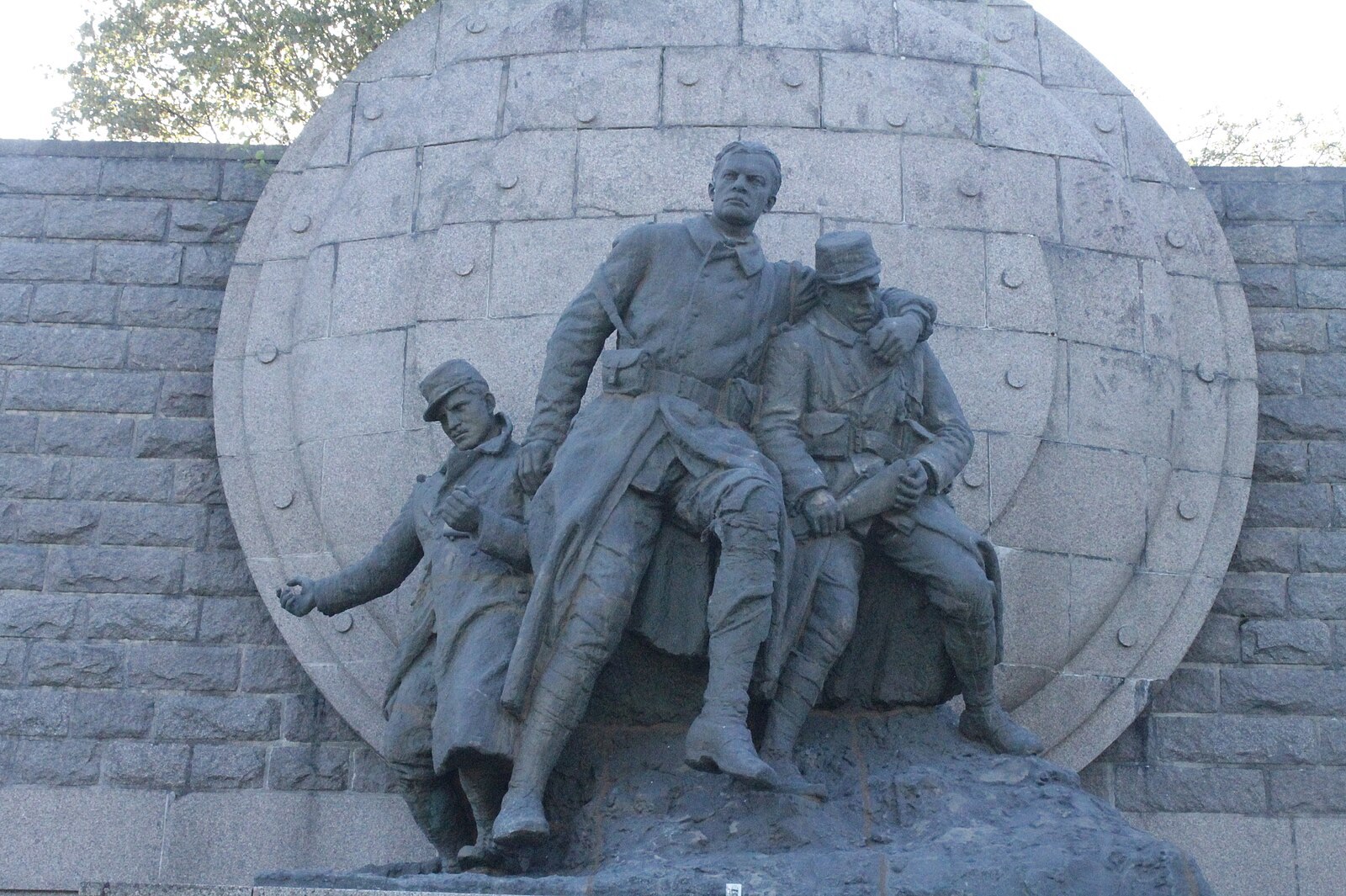
The eight-month period known as the Phoney War (La Drôle de Guerre) was not merely a prelude to battle, but a decisive psychological defeat for France. While the French army successfully utilized the pause to increase tank and aircraft production, the prolonged inactivity actively corroded military discipline and national cohesion. Plagued by boredom, alcoholism, and a lack of training, the mobilized reservists fell victim to sophisticated German propaganda and the internal political fractures of the Third Republic, particularly the suppression of the Communist Party. By May 1940, the French army was materially stronger but morally brittle, effectively defeated by aimlessness…
-
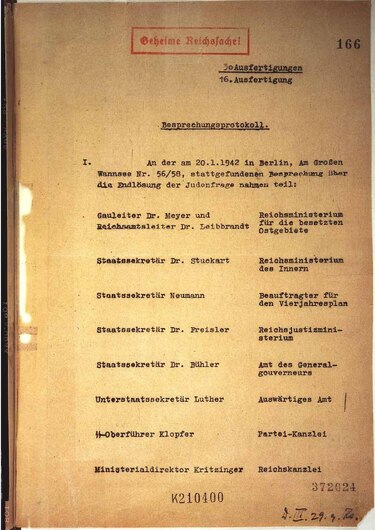
Contrary to popular belief, in the early years of the war, concentration camps like Dachau and Buchenwald were on the sidelines of anti-Jewish policy. By early 1942, Jews made up fewer than 5,000 of the 80,000 inmates in the KL system. Why? Because the Nazis wanted the genocide to happen “somewhere else.”
-
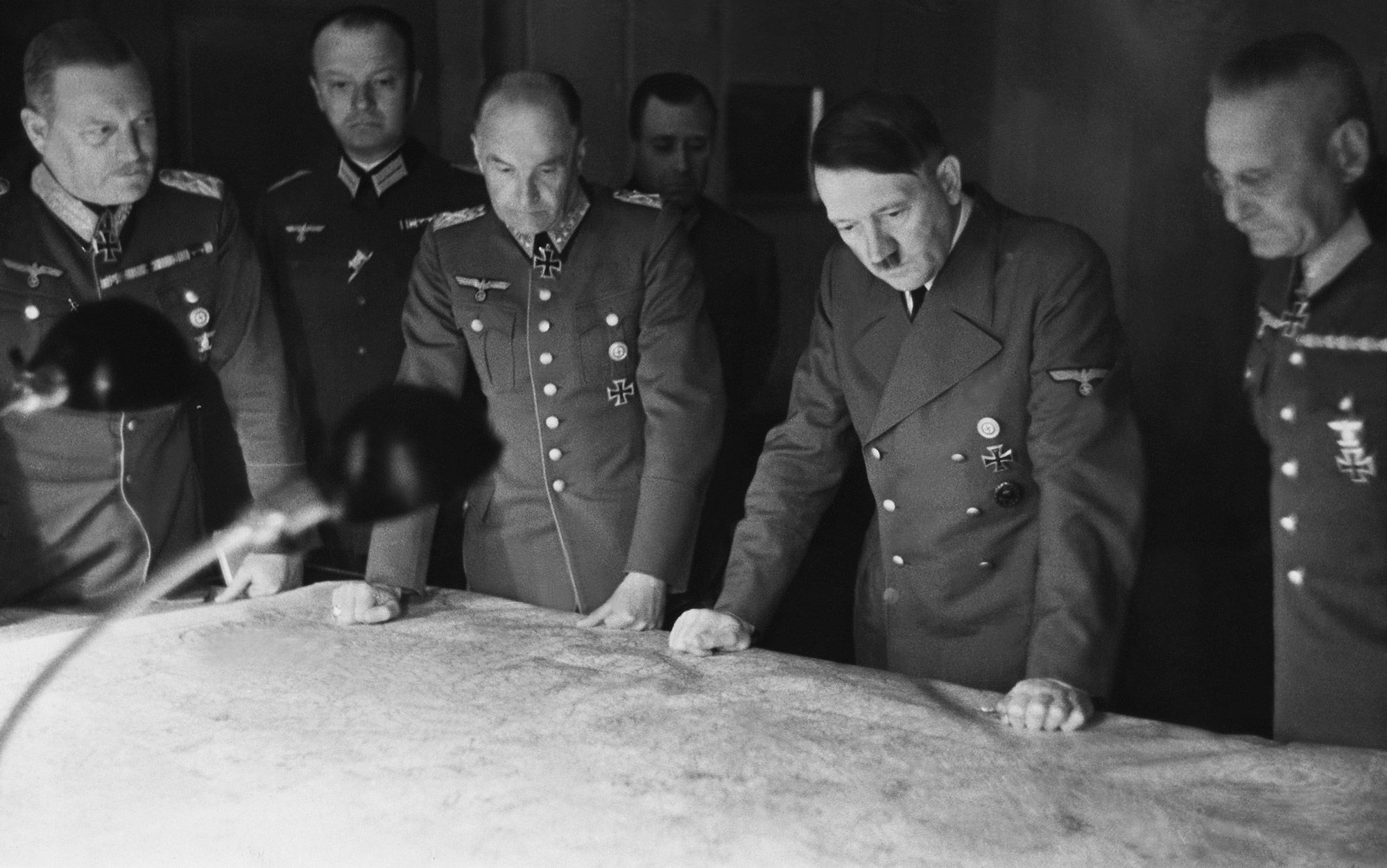
The collapse of France in 1940 was not merely a military tactical failure but the result of a profound demographic and psychological crisis rooted in World War I. The “Hollow Years”—a dramatic deficit of military-age men caused by the slaughter of 1914–1918—forced France into a defensive strategic straitjacket. Haunted by the “Ghost of Verdun,” the French High Command adopted the “Maginot Mentality,” relying on static fortifications and firepower to spare blood. This risk-averse doctrine, born of trauma and biological necessity, rendered the French army structurally incapable of countering the speed and improvisation of the German Blitzkrieg. Image Attribution: Attribution: Bundesarchiv,…
-

When Juana Belén Gutiérrez de Mendoza signed her newspaper articles “sedición y rebeldía” (sedition and rebellion), she was making a calculated political statement. As a journalist, anarchist organizer, and eventual Zapatista colonel, Gutiérrez de Mendoza (1875-1942) occupied a unique position in the Mexican Revolution—one that reveals both the possibilities for radical dissent in the Porfiriato and the ultimate constraints that even revolutionary movements placed on transformative social change. Her career raises important questions about the relationship between intellectual radicalism and armed struggle, the role of the press in revolutionary movements, and the extent to which the revolution actually delivered on…
-
In an era before synchronized sound, when title cards anchored a film’s narrative in a specific language, one genre effortlessly leaped over national borders, cultural barriers, and linguistic divides: slapstick comedy. The sight of a pompous man slipping on a banana peel, a desperate chase across a rapidly escalating series of obstacles, or a lover’s meticulously planned rendezvous descending into chaotic failure—these scenarios provoked roars of laughter from Tokyo to Berlin, from Moscow to Rio de Janeiro. Silent comedy was the closest cinema has ever come to a true universal language. Its grammar was not words, but physics; its vocabulary…
-
Introduction The Self-Strengthening Movement (1861–1895) was the Qing dynasty’s first major effort to modernize China and arrest its decline. In the wake of civil war and foreign invasions, a group of reform-minded officials sought to adopt Western military technology, industrial techniques, and educational practices in order to strengthen the nation—while still preserving traditional Confucian values. This article explores the origins, initiatives, challenges, and legacy of those reforms, asking whether they truly bolstered China’s power or merely offered a brief illusion of progress. The story of the Self-Strengthening Movement is a crucial chapter in understanding how and why the last Chinese…
-
By history1917 The statistics of Soviet industrialization between 1928 and 1941 appear staggering at first glance: steel production multiplied fivefold, electricity generation quadrupled, and the USSR transformed from a nation that imported tractors to one that produced them in massive quantities. Yet behind these impressive numbers lies a complex and deeply contested economic story—one that reveals both the brutal efficacy and profound limitations of Stalin’s industrial revolution. The Scale of Ambition: Planning the Great Leap Forward The First Five Year Plan (1928-1932) represented what historian E. H. Carr called “a revolution from above.” The State Planning Committee (Gosplan) set astronomical…
-
The story of the Rwandan genocide is often, and rightly, told through the lens of its Rwandan perpetrators and victims. Yet, to assign responsibility solely to the génocidaires who wielded the machetes is to tell only half the story. The 1994 genocide occurred within a global context, one shaped by decades of Western action and inaction. From the colonial laboratories of Europe to the Situation Room in Washington, a chain of decisions—and moral failures—created the conditions for the slaughter and allowed it to proceed with horrifying efficiency. The West, having helped build the tinderbox, then stood by and watched it…
-
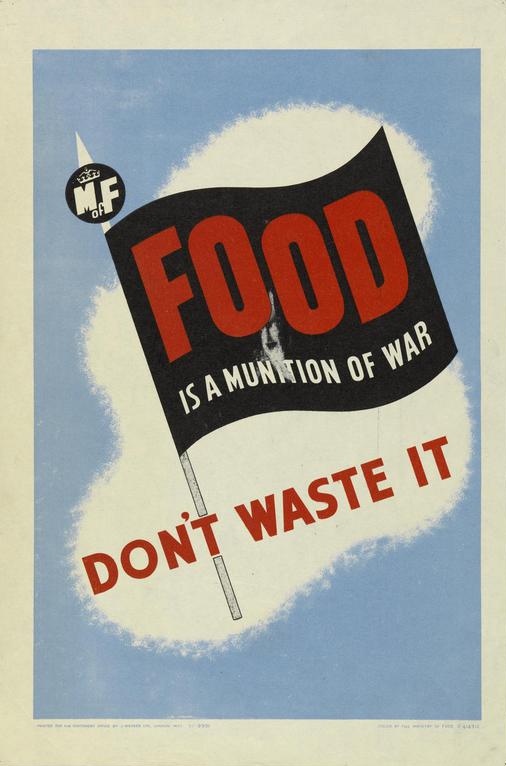
When the First World War began in 1914, nations discovered that modern war required more than guns and factories. It needed imagination. The conflict would be fought not only on the battlefield but in newspapers, cinemas, schools, and living rooms. For the first time, governments set out to manage what people felt. Posters, songs, films, and radio broadcasts became weapons in a struggle for morale. The same technologies that had been used to sell soap and cigarettes were now used to sell sacrifice and endurance. The twentieth century’s wars were also wars of culture — battles to control the stories…