-
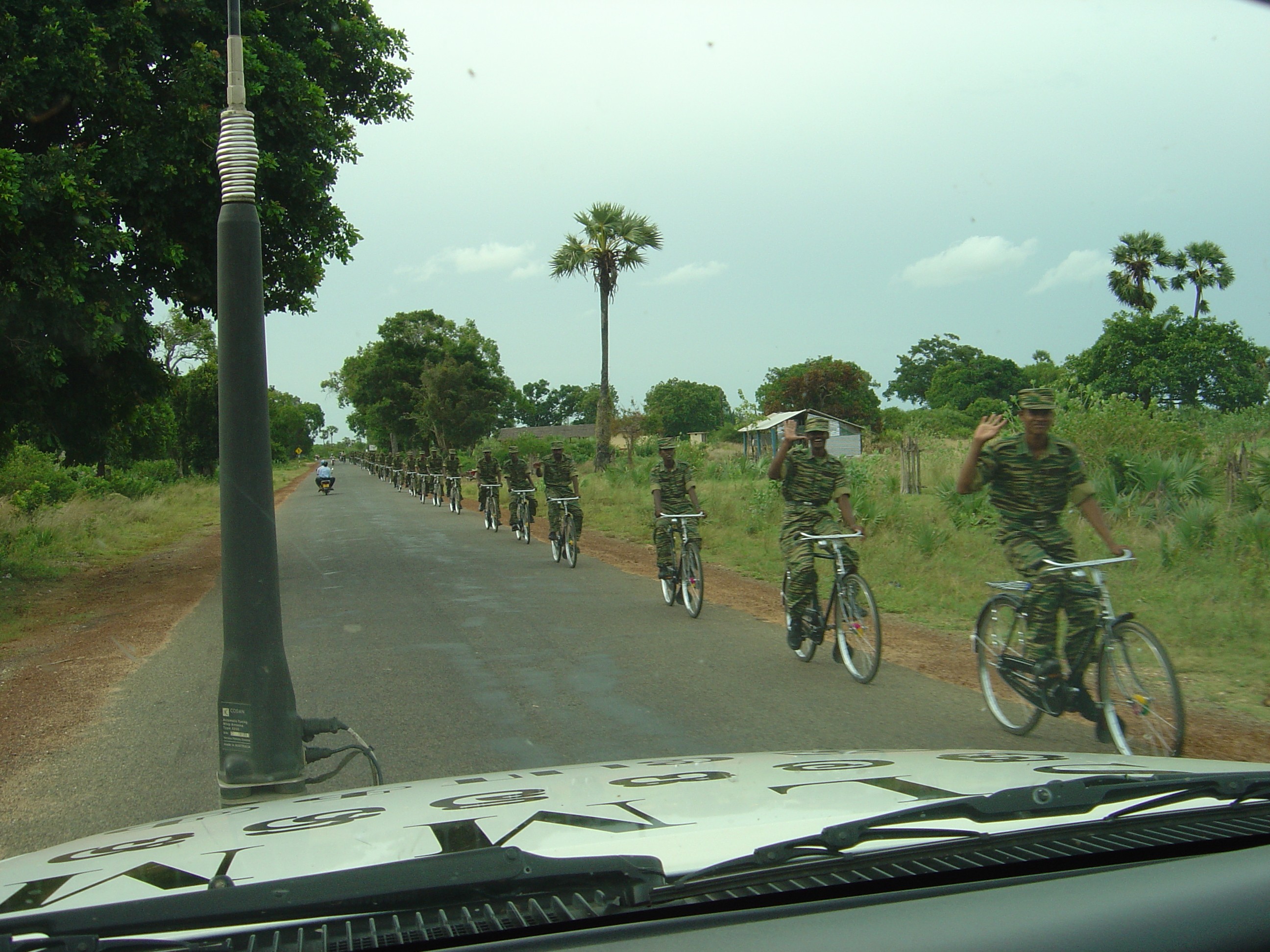
Discover how the Liberation Tigers of Tamil Eelam (LTTE) built a complex de facto state in Sri Lanka’s Northern Vanni region, transforming from guerrillas to territorial rulers. Explore their governance model that offered efficient administration while enforcing authoritarian control.
-
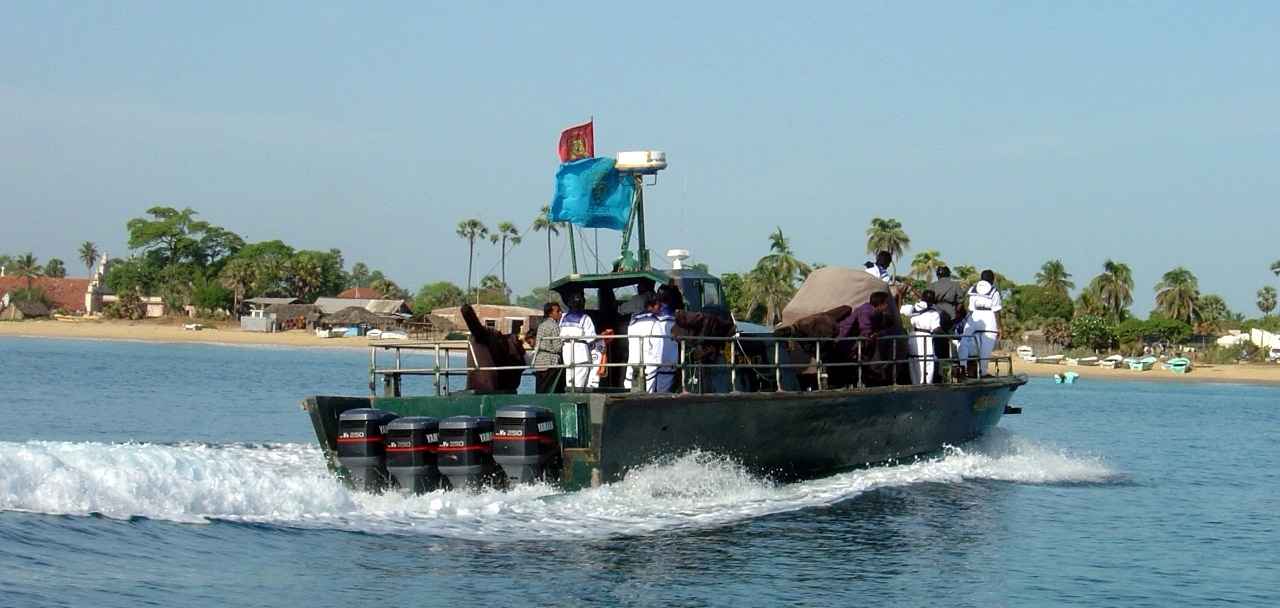
Unravel the financial backbone of Sri Lanka’s civil war: the diaspora’s role in sustaining a modern insurgency. Delve into how global networks fueled LTTE’s resilience and isolation.
-

The Black Tigers of the LTTE epitomized hybrid warfare by turning individual sacrifice into a powerful psychological tool, redefining asymmetric conflict on global stages.
-

The emergence of the Liberation Tigers of Tamil Eelam (LTTE) as the preeminent and, ultimately, sole belligerent force of Tamil secessionism was never inevitable. In the late 1970s, the landscape of Tamil militancy in Sri Lanka was fragmented, populated by competing groups with varying ideologies and strategies. The LTTE’s ascent from obscurity to hegemony was the result of a deliberate, ruthless, and brilliantly executed strategy by its founder, Velupillai Prabhakaran.
-
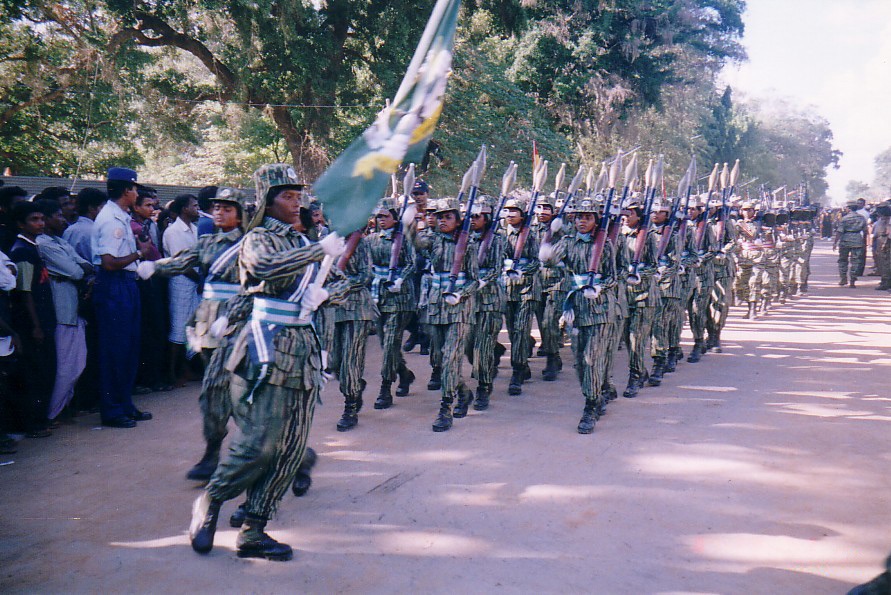
The Sri Lankan Civil War (1983-2009) was one of the longest-running and most brutal intra-state conflicts of the late 20th and early 21st centuries. It was a war of staggering human cost, profound geopolitical complexity, and devastating finality. At its heart was a violent struggle between the Sri Lankan state, dominated by the Sinhalese majority, and the Liberation Tigers of Tamil Eelam (LTTE), a separatist insurgent group that fought for an independent Tamil homeland in the island’s north and east. To reduce the conflict to a simple binary, however, is to misunderstand its essence.