-

India’s diaspora transcends borders, wielding economic might and cultural influence. As a superpower of soft power and global capital, this vibrant community reshapes societies worldwide.
-
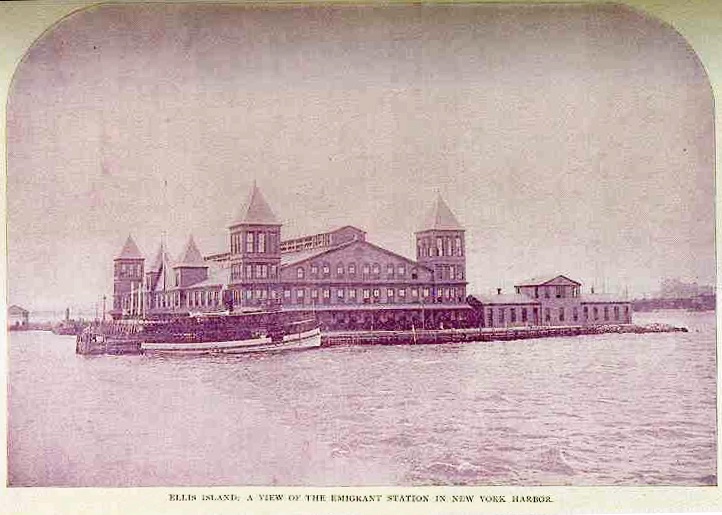
From steamship holds to digital visas, the evolution of global migration reshapes borders and governance. Discover how technology and ambition redefine the journey of today’s world travelers.
-

The evolution of the ‘évolué’ and ‘assimilado’ was a calculated colonial strategy to quell resistance, promising European citizenship in exchange for cultural surrender.
-
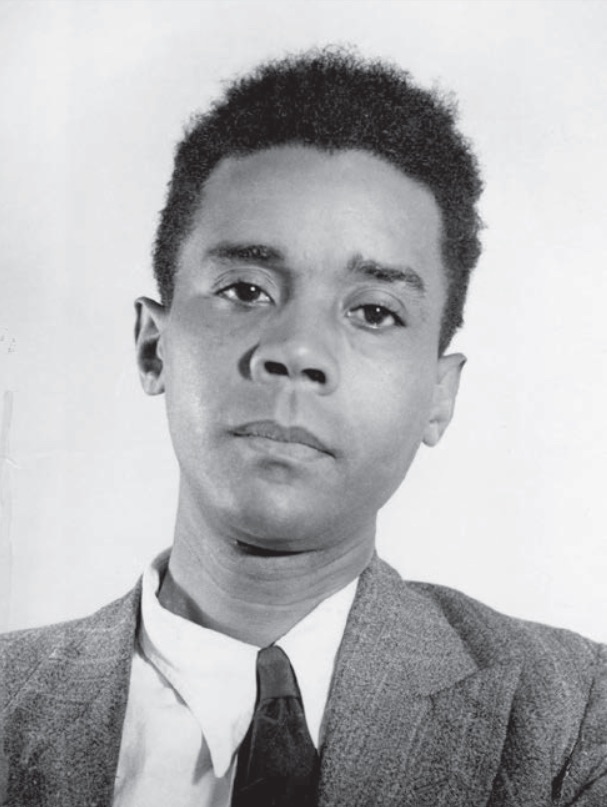
In 1932, Cyril Lionel Robert James embarked on a transformative journey from Trinidad to London, fueled by a passion for abolition and cricket writing. His departure marked the beginning of a broader intellectual movement across the Caribbean and Africa, challenging colonial constraints and forging a global anti-colonial network.
-

In 1923, Huda Shaarawi’s bold act of removing her veil became a symbol of Egyptian women’s modern awakening and their pivotal role in Egypt’s struggle for independence. This revolutionary gesture marked the start of a new era for women’s rights intertwined with nationalist movements.
-
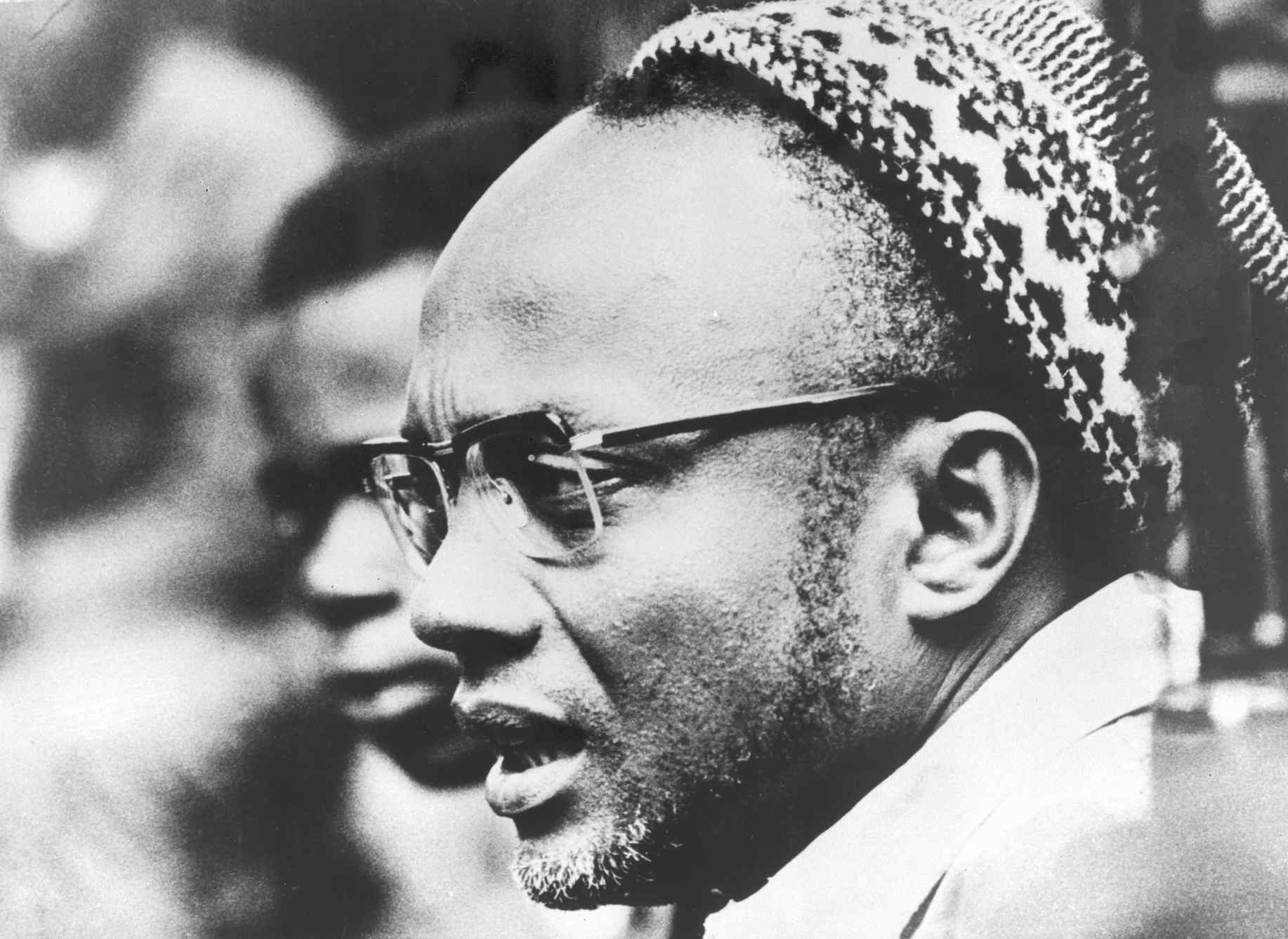
France and Portugal’s assimilation schemes promised citizenship but concealed racial divides, fueling identity crises and revolutionary movements.
-

In the turbulent interwar Middle East, Atatürk and Reza Shah Pahlavi launched ambitious modernization campaigns, aiming to transform their societies into secular republics. Their top-down reforms sparked a cultural crisis as they clashed with existential doubts and traditional identities.
-

From rubble and refugee chaos emerged the foundation for today’s international refugee framework
-
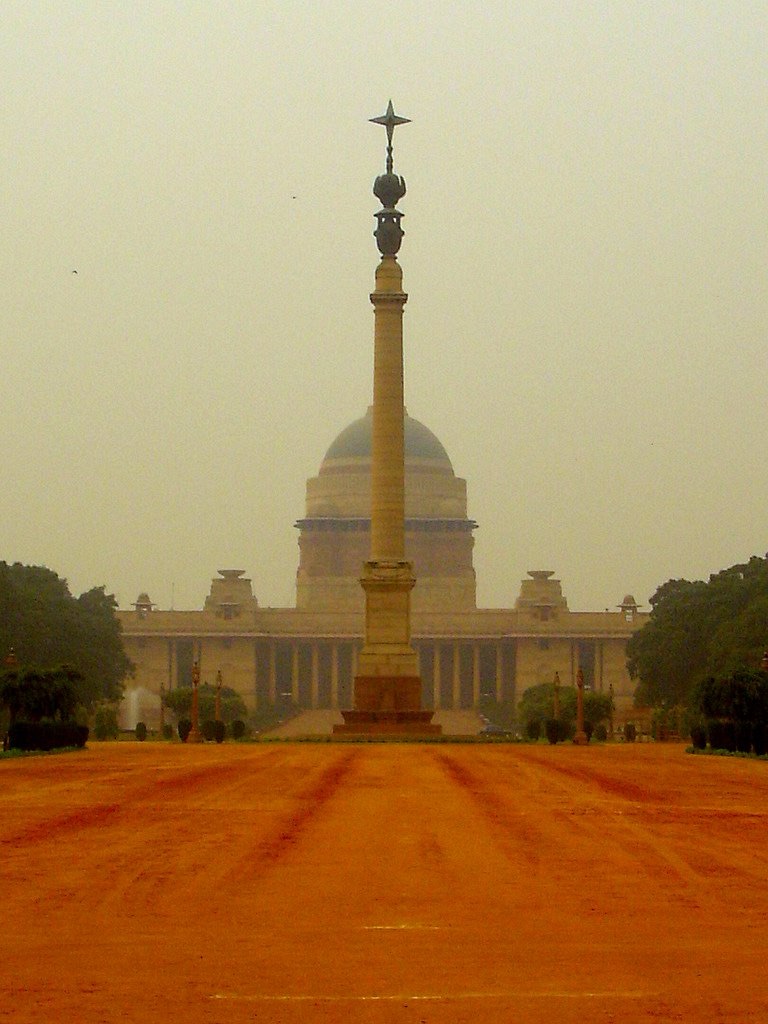
Rabat’s Ville Nouvelle and New Delhi’s architectural feats were not just cities but powerful ideological statements. As French and British architects crafted their grand visions, they visually reinforced colonial hierarchies, leaving a legacy of imperial dreams that proved fragile.
-
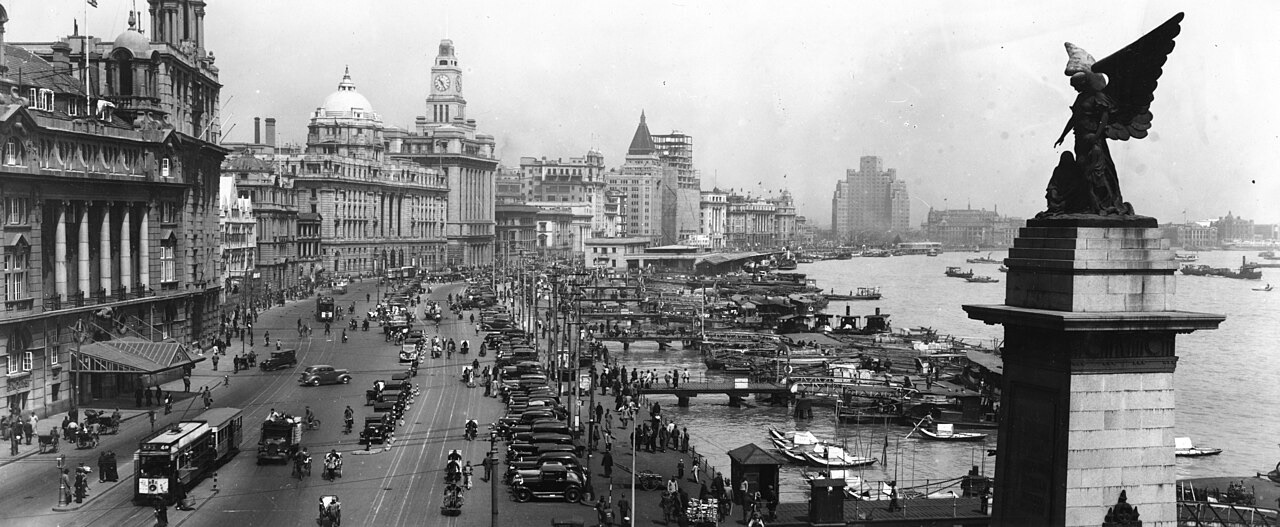
In the vibrant interwar cities of Bombay, Shanghai, and Cairo, modernity exploded with a unique twist. These cosmopolitan metropolises weren’t just imitators of Western ideals; they thrived as dynamic hubs where global influences collided. From art deco cinemas to jazz-filled nightclubs, these cities forged a modern urban culture that challenged colonial dominance and reshaped local traditions.