-
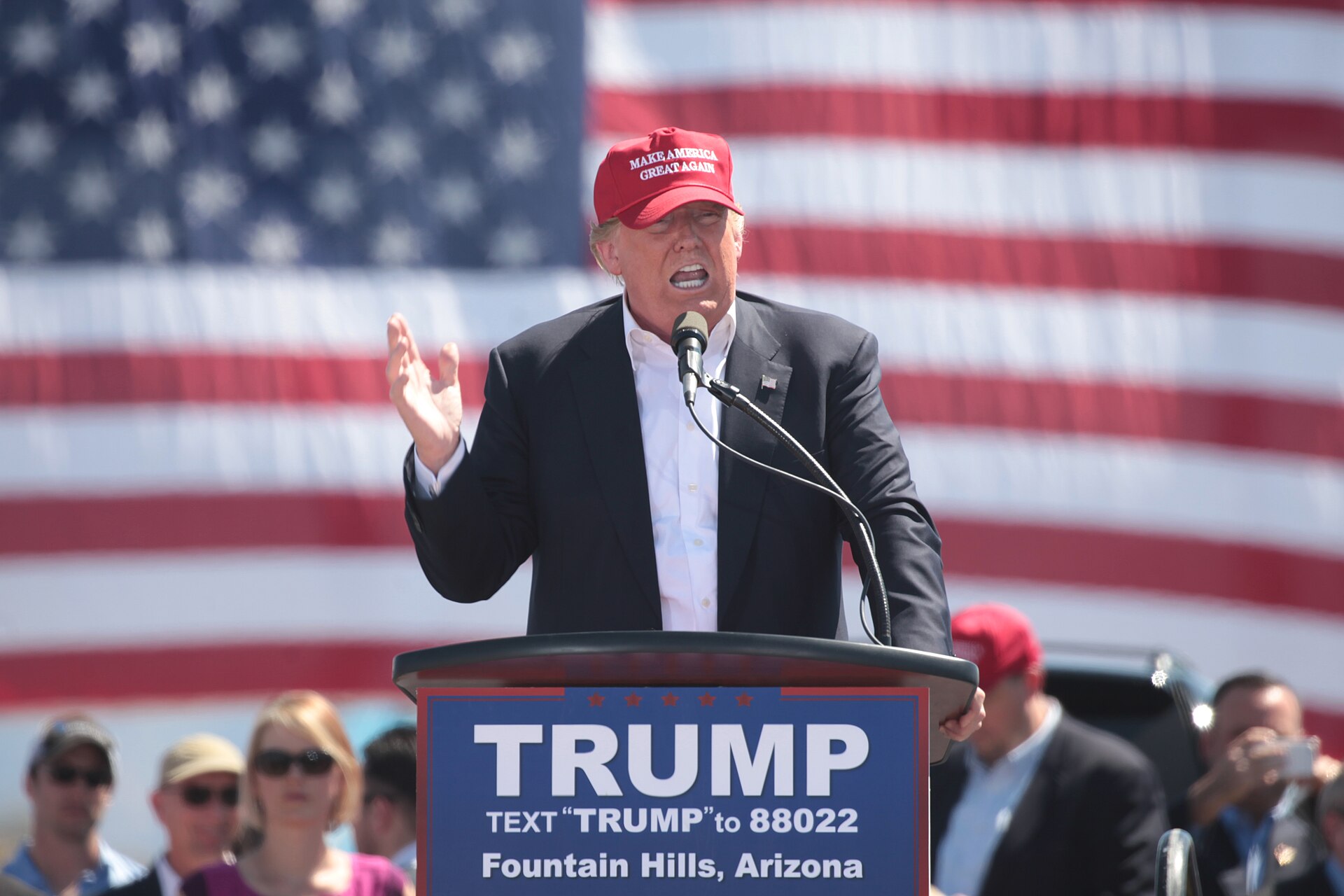
In the latest episode of the Explaining History Podcast, I explore the competing theories attempting to explain what is happening in the Persian Gulf – and what it tells us about the end of American hegemony. (photo credit: Gage Skidmore – https://creativecommons.org/licenses/by-sa/3.0/deed.en) There are many competing theories about what we are seeing in the Gulf, and many different arguments about why America is doing what it is doing. These arguments fall into roughly two camps: the idea that there is an overarching grand plan behind everything that has happened since Venezuela in January, and – for my money – the…
-

The mountains of Afghanistan held a prophecy that would shape global conflicts. In 1997, Osama bin Laden envisioned a United States weakened by its own response, a strategy that would echo in the wake of 9/11. As history unfolded, bin Laden’s insights into the cost of perpetual war proved prescient.
-

The looming showdown between the U.S. and Iran is shaping up to be a modern-day Battle of Tsushima, where a decisive defeat could unravel the very fabric of American power and prosperity. As ground troops are deployed, the specter of a catastrophic military failure looms large, threatening to ignite a seismic political crisis that could reshape global dynamics.
-

The fatwa issued by Khomeini in 1989 against Salman Rushdie’s novel escalated into a worldwide controversy. It highlighted the intersection of religious authority and free expression, leaving a lasting impact on debates about blasphemy and state power.
-
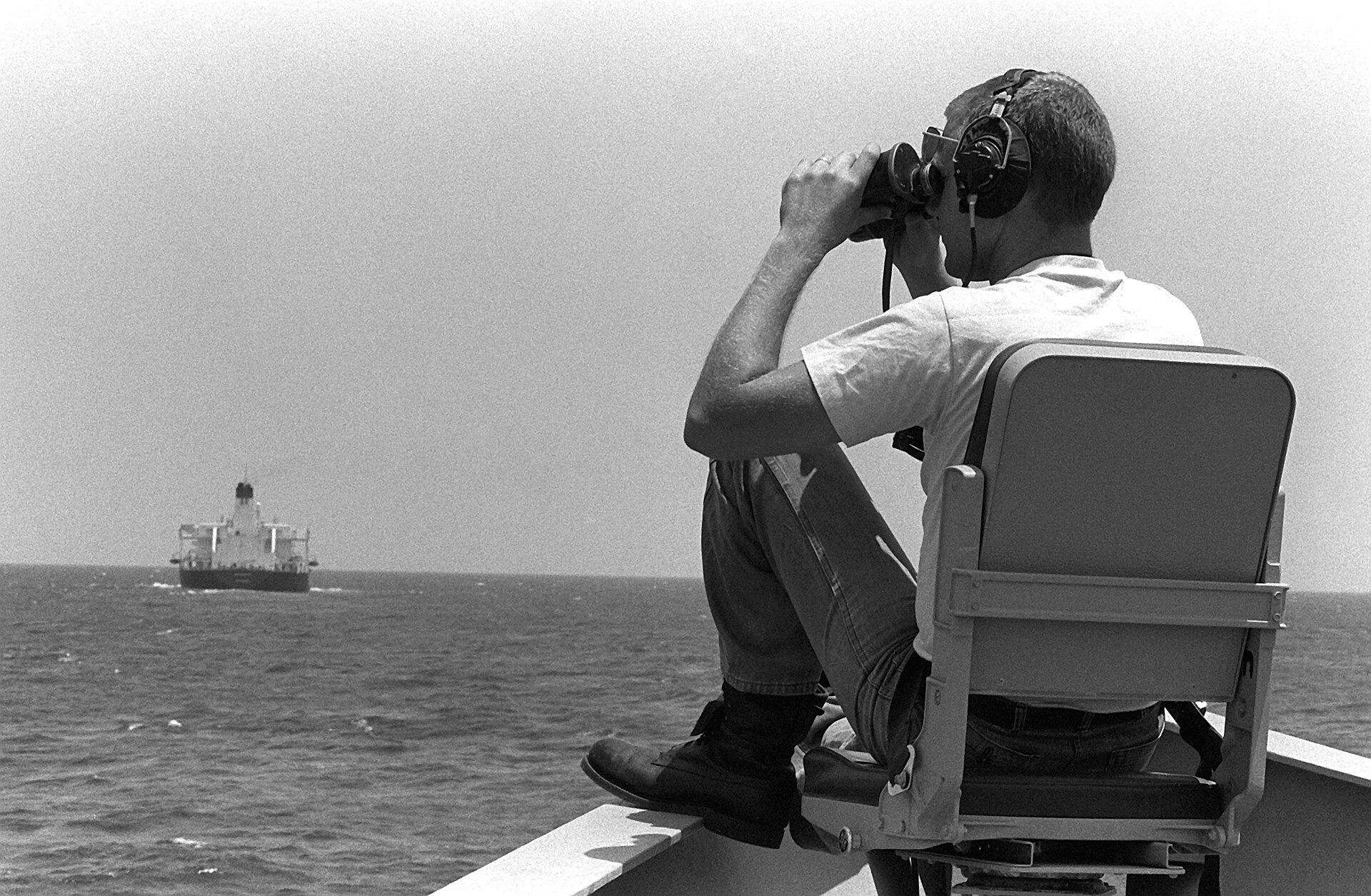
As the Iran-Iraq War dragged on into the sea, America’s dual policies fueled suspicion and hostility, setting the stage for the enduring tensions that would define U.S.-Iran relations for decades.
-
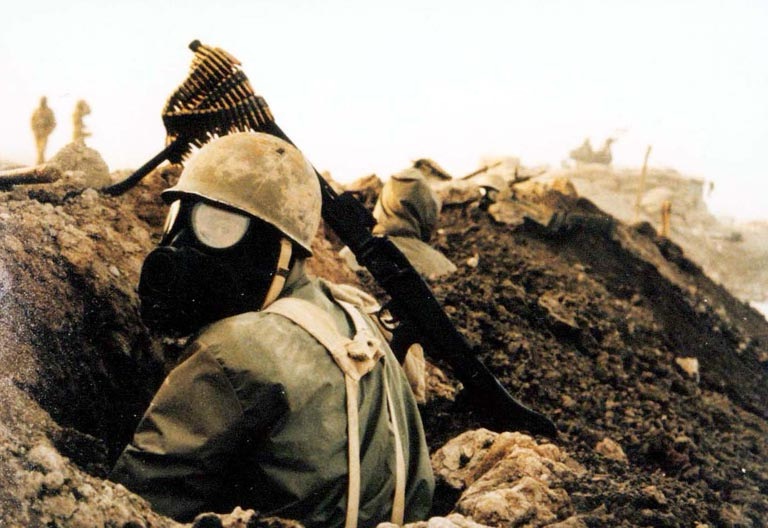
The Iran-Iraq War, initiated by Iraq’s strategic invasion in 1980, was a brutal and prolonged struggle that reshaped the Middle East’s political landscape, leaving deep psychological and political scars that continue to impact Iranian society today.
-
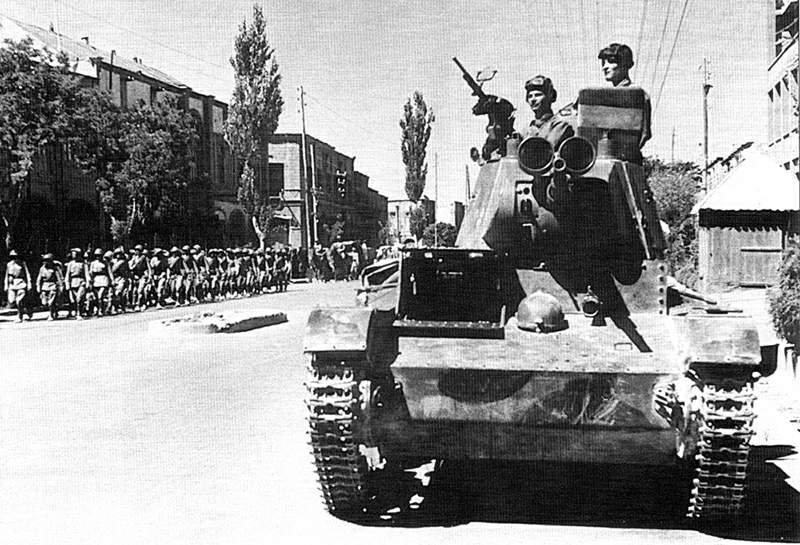
The 1941 invasion of Iran, orchestrated by Allied forces, was a critical yet often overlooked turning point in the country’s modern history. It led to the swift removal of Shah Reza Pahlavi, altering the geopolitical landscape and sowing seeds for later conflicts.
-
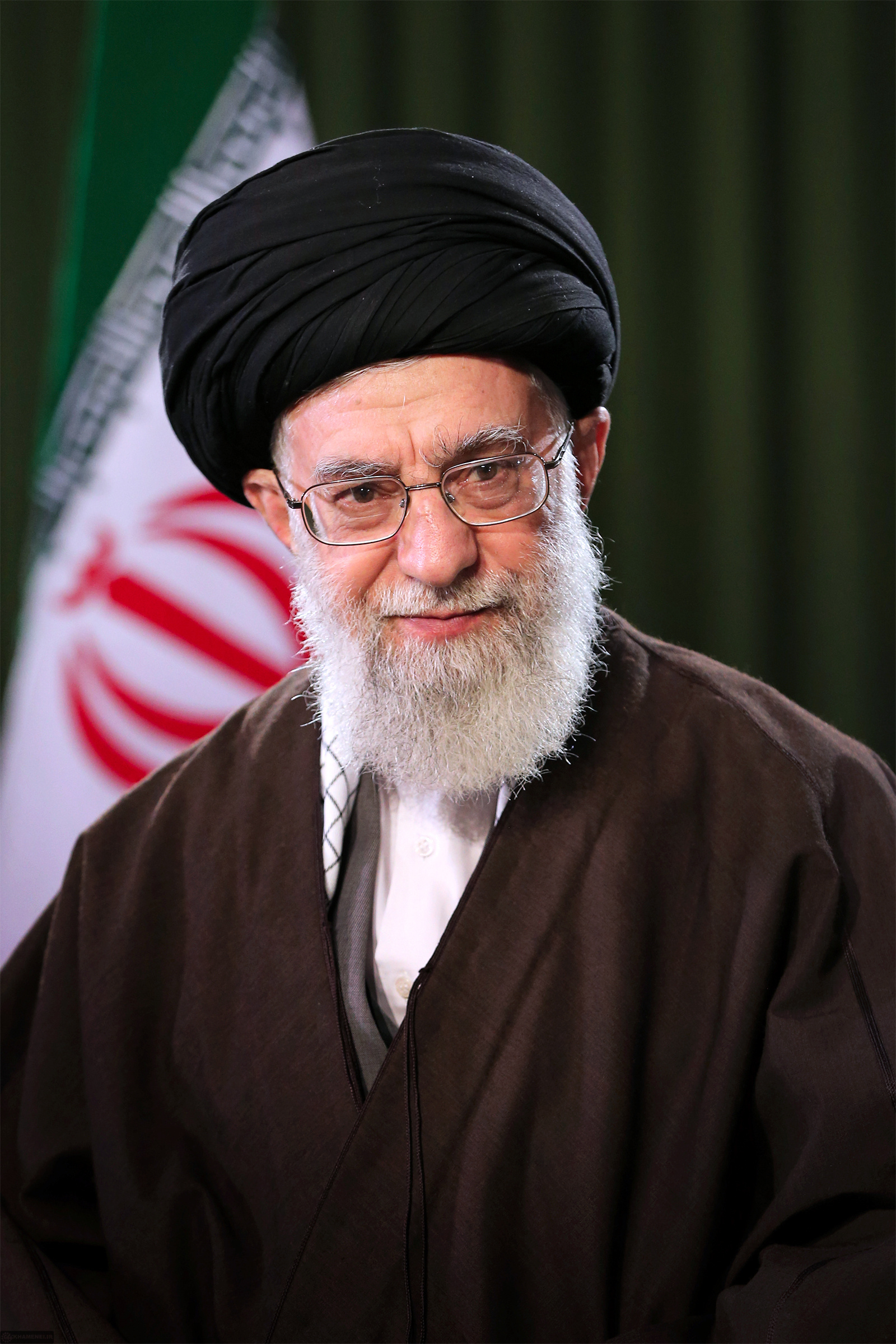
In this expanded analysis, we trace the long arc of American intervention in the Middle East—from the calculated ambitions of the Project for a New American Century to the erratic, improvisational warfare of the Trump era. The assassination of Ayatollah Khamenei marks not a triumph of strategy, but the culmination of a decades-long decline in American statecraft. The Origins: Project for a New American Century The road to Tehran was always intended to run through Baghdad. As early as 1998, the neoconservative Project for the New American Century (PNAC) was calling for the invasion of Iraq . Its signatories—Dick Cheney,…
-

In the turbulent interwar Middle East, Atatürk and Reza Shah Pahlavi launched ambitious modernization campaigns, aiming to transform their societies into secular republics. Their top-down reforms sparked a cultural crisis as they clashed with existential doubts and traditional identities.
-

This case study examines the implementation and consequences of the White Revolution’s agrarian reforms in Gilan, the verdant Caspian province with a distinct history of peasant activism and political radicalism. As detailed in the main overview, the Pahlavi land reform program was a nationwide policy of social engineering. In Gilan, however, it encountered a rural society uniquely shaped by its ecology of rice and tea cultivation, its legacy of the Jangal (Forest) Movement and the Soviet Republic of Gilan (1920-21), and a peasantry with a demonstrated capacity for organization.