-

This case study examines the implementation and consequences of the White Revolution’s agrarian reforms in Gilan, the verdant Caspian province with a distinct history of peasant activism and political radicalism. As detailed in the main overview, the Pahlavi land reform program was a nationwide policy of social engineering. In Gilan, however, it encountered a rural society uniquely shaped by its ecology of rice and tea cultivation, its legacy of the Jangal (Forest) Movement and the Soviet Republic of Gilan (1920-21), and a peasantry with a demonstrated capacity for organization.
-

This examination focuses on a critical infrastructural pillar of the White Revolution (Enqelāb-e Sefid): the massive campaign to extend electricity to Iran’s villages. While land reform was the political centrepiece, rural electrification was its functional counterpart, representing the regime’s promise to deliver tangible modernity to the countryside. As explored in the main overview of the White Revolution, the Pahlavi state sought legitimacy not merely through redistribution but through a spectacle of development. Electrification was the most visible symbol of this promise—the literal bringing of “light” to what was portrayed as a backward, dark realm
-

This analysis explores the distinct regional impact of the Shah’s White Revolution (Enqelāb-e Sefid) on Mazandaran, the fertile Caspian province whose lush, rain-fed villages presented a stark contrast to the arid agrarian landscapes of central and eastern Iran. As detailed in the main overview of the White Revolution, the land reform program was a nationwide policy, but its effects were profoundly mediated by local ecology, existing social structures, and economic patterns. In Mazandaran, the reforms interacted with a unique context of small-scale rice cultivation, complex horticulture, and historically stronger peasant agency, leading to outcomes that differed significantly from those in…
-
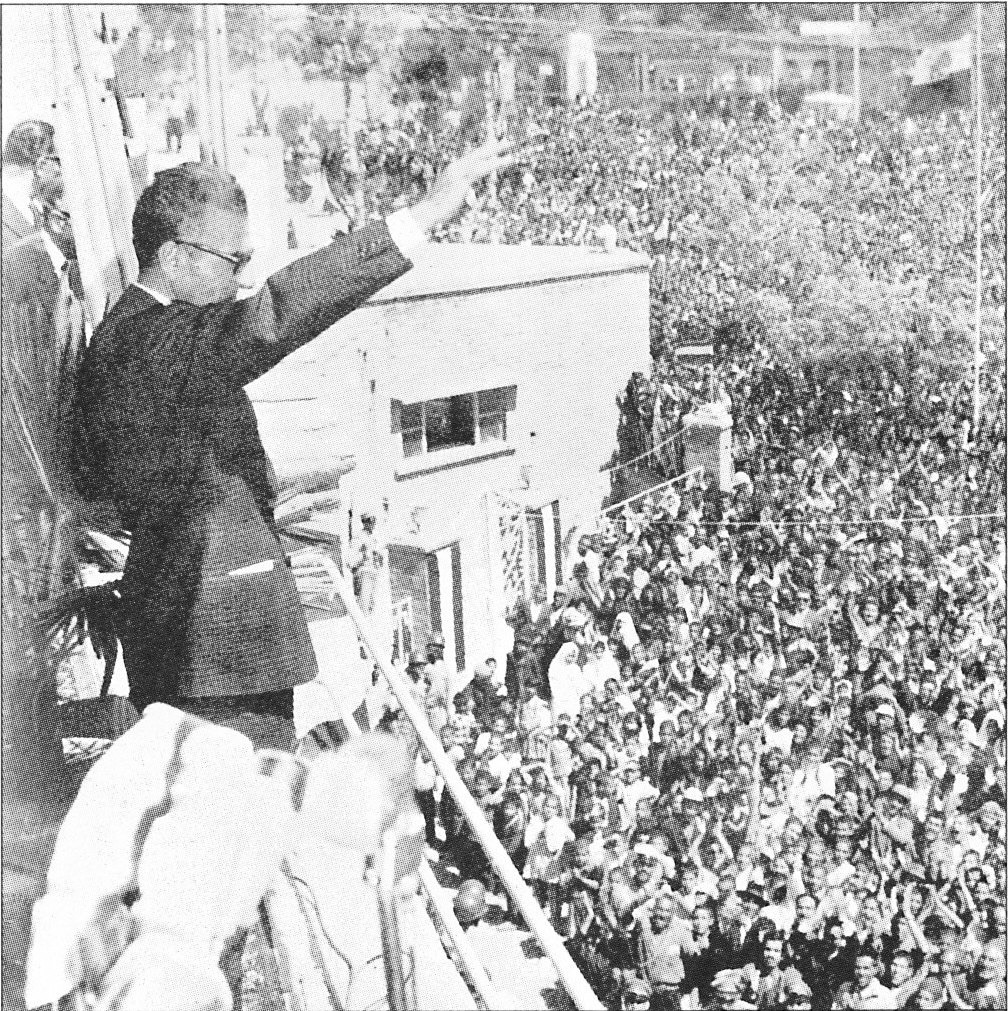
This regional case study examines the implementation and impact of the land reform program—the centrepiece of the Shah’s White Revolution (Enqelāb-e Sefid)—in Iran’s vast and historically significant province of Khorasan. It expands upon the national overview of the White Revolution, detailing how this top-down modernization policy played out in a crucial agrarian region, revealing the tensions between central planning and local realities that ultimately limited the program’s success.