-
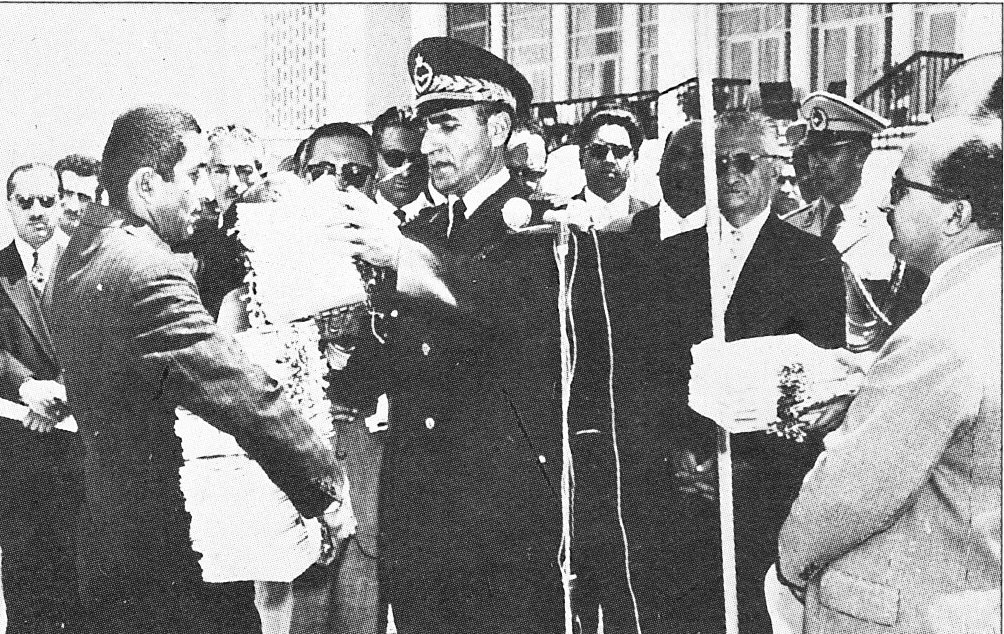
The 1960s and 1970s marked a pivotal era in Iran, dominated by an ambitious and far-reaching reform program initiated by Mohammad Reza Shah Pahlavi, known as the White RevolutionWhite Revolution Full Description:The White Revolution was a project of authoritarian modernization. It sought to break the power of traditional landlords through land redistribution and to rapidly industrialize the economy. It was billed as a bloodless (“white”) revolution to prevent a communist (“red”) one. Critical Perspective:Despite lofty goals, the reforms destabilized the social order. The land reforms often failed to provide peasants with enough resources to farm effectively, driving millions into urban slums where…
-
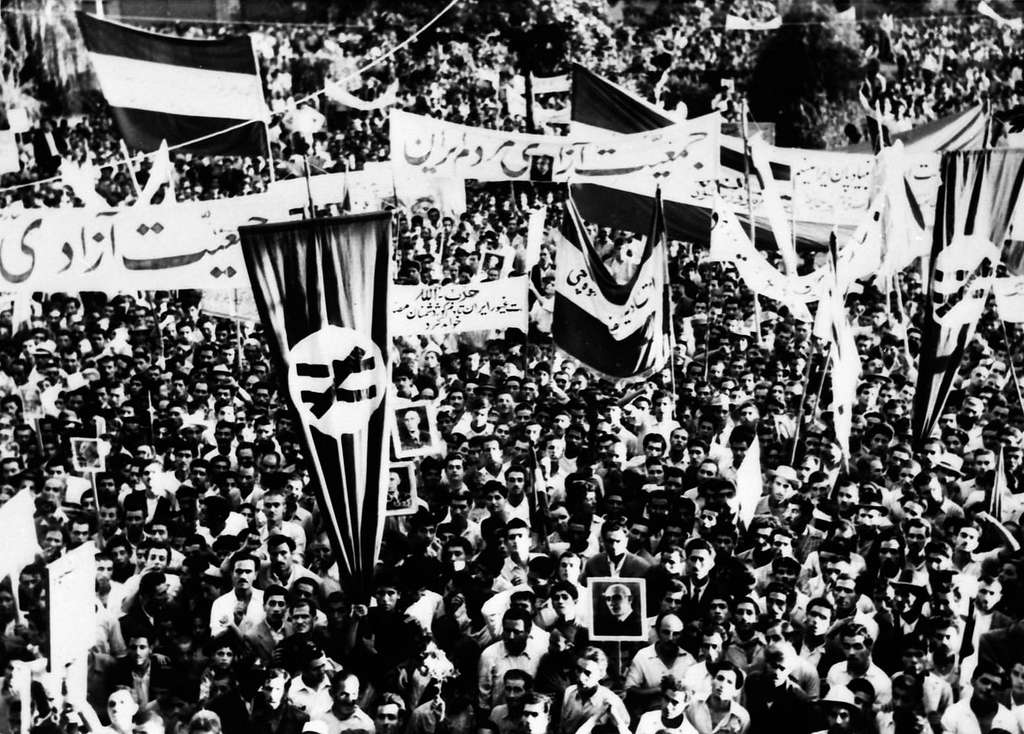
In one decisive episode, a democratically elected leader was removed in a covert Anglo-American operation, foreign powers reasserted control over Iranian oil, and the Shah’s autocracy was restored.
-

Introduction In our fragmented, unstable, and often bewildering century, it is tempting to imagine that the challenges we face—rising authoritarianism, disinformation, inequality, and division—are uniquely modern problems. Yet over two thousand years ago, Plato wrestled with questions of truth, justice, power, and the fragility of democracy that remain startlingly relevant today. His great dialogue The Republic is not simply a philosophical blueprint for an ideal city; it is also a warning about the vulnerabilities of human societies and the ease with which they can collapse into tyranny. In a recent conversation for the Explaining History podcast, I spoke with Professor…
-
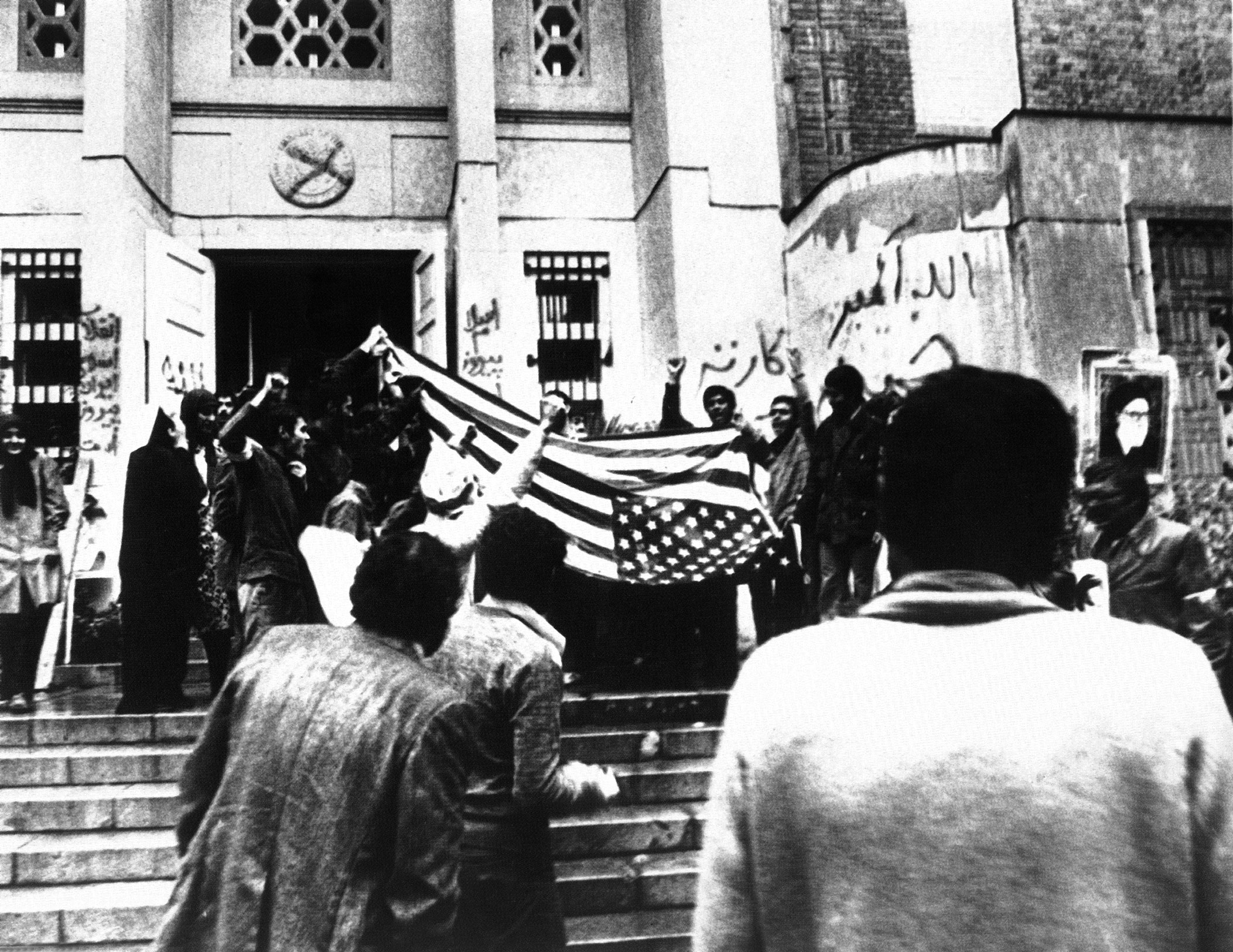
The 1979 Iranian Revolution was a watershed moment in the history of the 20th Century. In a matter of months it overthrew the Western-backed Pahlavi monarchy and installed a theocratic state. Its impact was felt far beyond Iran’s borders. It altered Cold War alignments (ending Iran’s role as a U.S. ally in the Gulf) and touched off a new oil crisis, amplifying fears of energy shortage worldwide . It gave a potent new voice to political Islam. As scholar Mehrzad notes, the revolution lent “an Islamic flavor to the anti-imperialist, anti-American sentiment” in the Middle East . In effect, it…
-
When the UN was founded in 1945 it was dominated by the old colonial empires. Nearly one‐third of humanity – about 750 million people – then lived under colonial rule . The original 51 member states included Britain, France, Belgium, the Netherlands and other imperial powers (and even South Africa), while many colonized peoples had no independent representation. From the start, however, the UN CharterUN Charter Full Description:The foundational treaty of the United Nations. It serves as the constitution of international relations, codifying the principles of sovereign equality, the prohibition of the use of force, and the mechanisms for dispute…
-
Introduction The United Nations emerged at the end of World War II as a bold experiment in collective security, determined “to save succeeding generations from the scourge of war.” But in the early Cold War (roughly 1947–1956) the UN’s high-minded ideals quickly ran up against intense U.S.–Soviet rivalry. Instead of disarming, both superpowers used the UN to press their own agendas, often paralyzing the organization’s decision-making. Security CouncilSecurity Council Full Description:The Security Council is the only UN body with the authority to issue binding resolutions and authorize military force. While the General Assembly includes all nations, real power is concentrated here. The…
-
In the immediate aftermath of World War II, the world faced the horror of unprecedented atrocities and the challenge of building a new international order. The United Nations was founded in 1945 on principles of peace and justice, but by 1948 the Cold War rivalry between the United States and the Soviet Union was already shaping global politics. In this climate of both hope and tension, two landmark achievements emerged: the Genocide Convention (adopted 9 December 1948) and the Universal Declaration of Human Rights (adopted 10 December 1948). Both drew on the war’s lessons – especially the Holocaust and other…
-
When World War II ended in 1945, the Allies confronted unprecedented crimes – the Holocaust and aggressive wars of conquest. Determined to ensure “justice, not vengeance,” the victorious powers quickly turned to international law. In June 1945 the United Nations Charter was signed and came into force that October . Simultaneously, plans were underway to try the Nazi leadership. The Allies announced as early as the 1942 St. James Declaration that “those guilty of or responsible” for Nazi aggression would be punished by “organized justice” . In October 1943 Roosevelt, Churchill and StalinStalin Joseph Vissarionovich Stalin (18 December 1878 – 5…
-
What Plato Can Teach Us About the Crises of the 21st Century — with Professor Angie HobbsIn this special episode of Explaining History, I’m joined by Professor Angie Hobbs to discuss her new book Why Plato Matters Now. Together we explore Plato’s life and thought, and the urgent relevance of his ideas in today’s world. From the dangers of oligarchy and the corruption of language, to the decline of truth, the rise of the demagogue, and the path to tyranny, we trace Plato’s insights into politics,