-

Italy’s economic miracle from 1951 to 1963 transformed it from an agricultural country into a consumer powerhouse, driven by the Marshall Plan, industrial growth, and European integration. By 1963, Italy was a modern metropolis, with Milan gleaming in steel and glass, and families enjoying new comforts. This remarkable shift reshaped Italy’s economy and society, leaving a legacy of both progress and uneven development.
-
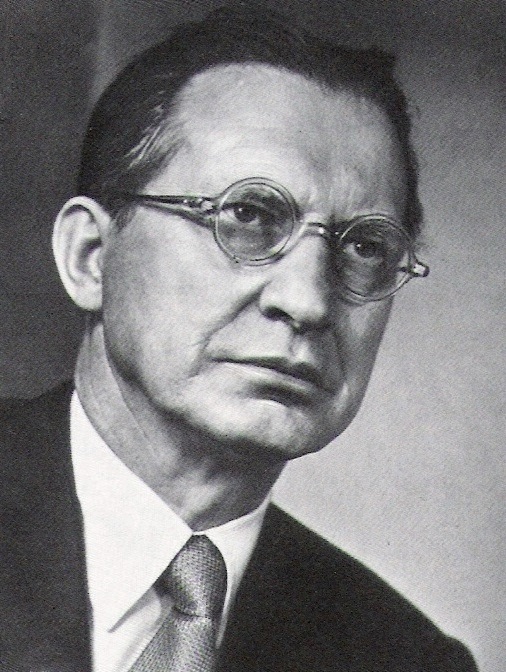
For nearly half a century, from the birth of the Italian Republic in 1946 to its dramatic collapse in the early 1990s, Italian politics was defined by a single party: Christian Democracy (Democrazia Cristiana, or DC). The DC was not a party in the conventional sense. It was a coalition of factions, a political machine, a patronage network, and a cultural movement all rolled into one. It drew support from the Catholic Church, from the business class, from peasants, from housewives, from civil servants, and from millions of Italians who feared the alternative: the Italian Communist Party (PCI). The DC…
-

The Italian Civil War was a war within a war, where the struggle for Italy’s soul shaped its politics, even as the Western Allies’ campaigns in Italy received more attention.
-

When World War II ended in 1945, the Allies confronted unprecedented crimes – the Holocaust and aggressive wars of conquest. Determined to ensure “justice, not vengeance,” the victorious powers quickly turned to international law. In June 1945 the United Nations Charter was signed and came into force that October . Simultaneously, plans were underway to try the Nazi leadership. The Allies announced as early as the 1942 St. James Declaration that “those guilty of or responsible” for Nazi aggression would be punished by “organized justice” . In October 1943 Roosevelt, Churchill and Stalin issued the Moscow Declaration promising to hunt down…