-

On 1 January 1947, a notice was posted at every colliery in Britain. It read: “This colliery is now managed by the Nation on behalf of the people.” In a single morning, over 900 coal mines—along with 225,000 acres of farmland, 140,000 miners’ houses, and countless shops and offices—passed from private ownership to public control. The National Coal Board (NCB) was formally constituted, and the British coal industry, which had been a byword for private exploitation and industrial strife, became a public corporation. It was, as Prime Minister Clement Attlee declared, “one of the great days in the industrial history…
-
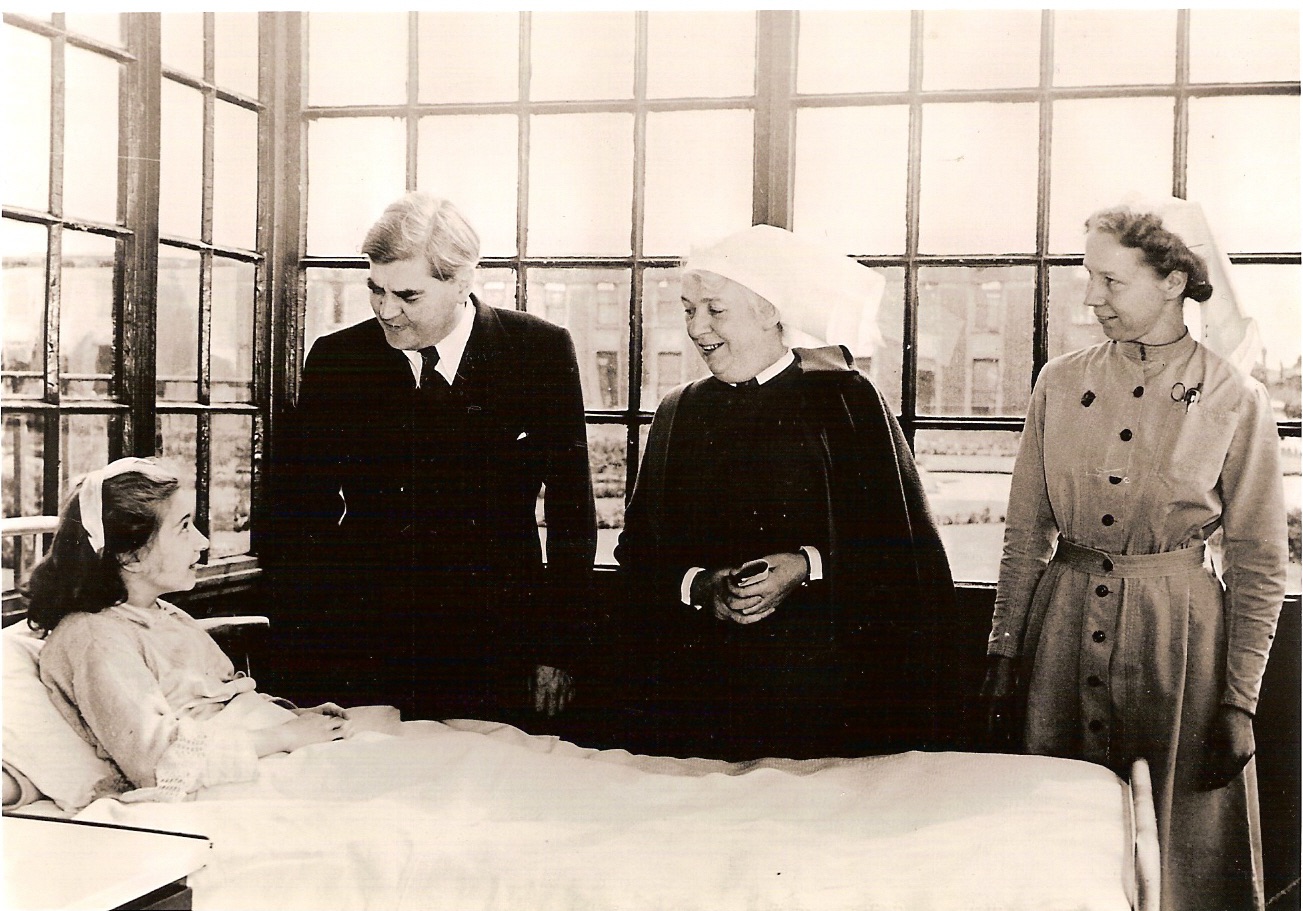
On the morning of 5 July 1948, a new era in British history began. At hospitals, clinics, and doctors’ surgeries across the country, the National Health Service (NHS) opened its doors for the first time. It was not the first universal healthcare system in the world—Germany’s compulsory insurance dated back to the 1880s, the Soviet Union had state provision, and New Zealand’s Social Security Act of 1938 had already taken major steps toward universal coverage. But the NHS was the first comprehensive, universal, tax-funded system free at the point of use on a national scale.
-

Five prime ministers in eight years. Six chancellors. Four Conservative leaders, a Labour landslide that felt less like a dawn than a pause, and now Keir Starmer, standing in the Downing Street rose garden, speaking of “national renewal” in the same syntax as a man trying to soothe a burns victim with a damp flannel
-

On 5 July 1945, as the guns of the Second World War fell silent in Europe and the battle against Japan still raged in the Far East, the British people went to the polls for the first general election in nearly a decade. Victory in Europe had been declared just eight weeks earlier, and the universally admired war leader, Winston Churchill, confident of the gratitude of the nation, sought a personal mandate from the people to guide Britain through the post-war peace. At the beginning of the campaign, his personal approval rating stood at an astronomical 83%—the consummate hero of…
-
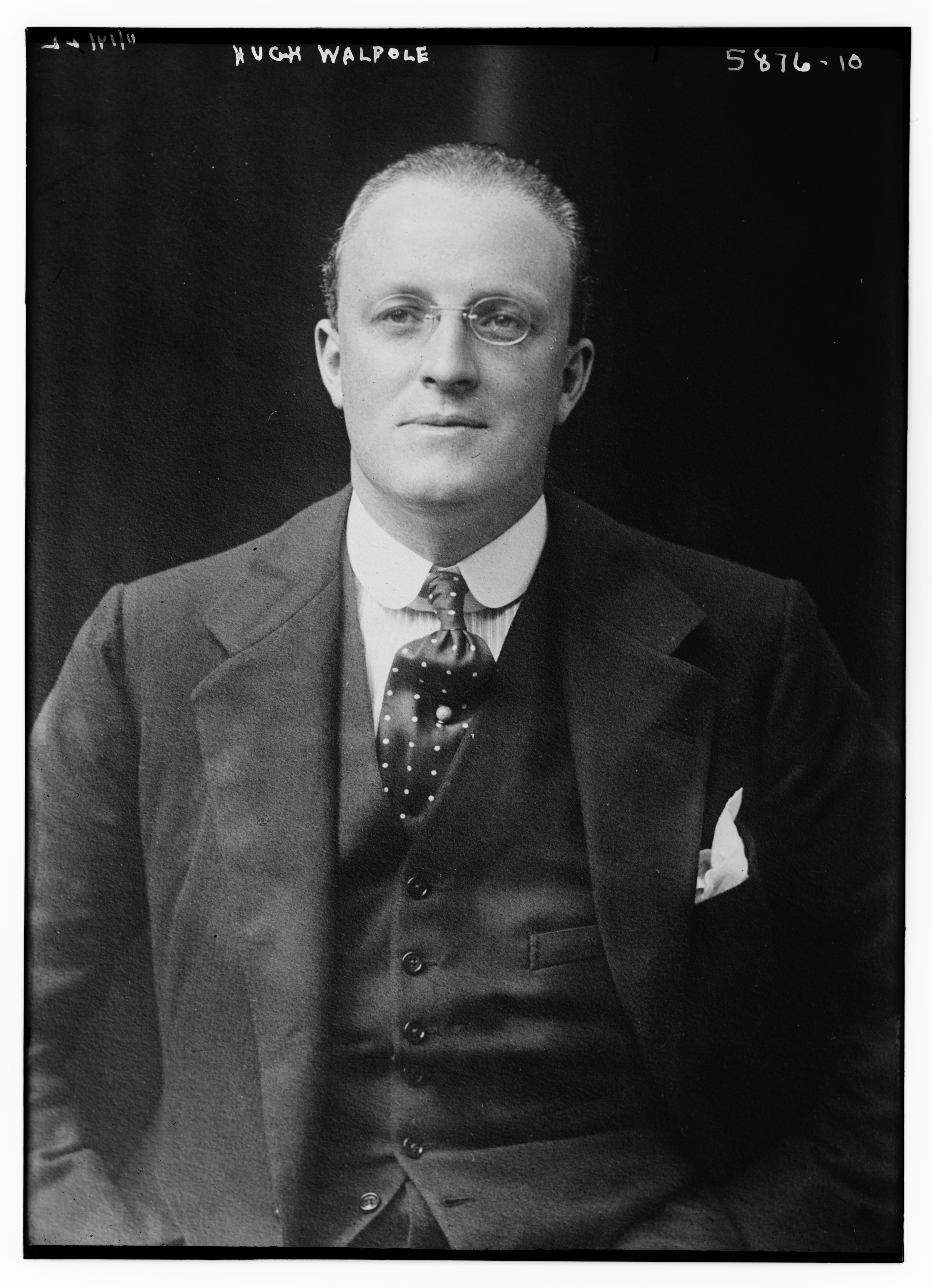
In an age of Amazon recommendations and #BookTok, it is hard to imagine a time when discovering a new book was a curated, communal experience guided by a panel of experts. Yet, for much of the mid-20th century, that is exactly what the Book Society provided for thousands of readers across Britain and its empire.
-

Introduction In the historiography of interwar Britain, the narrative is often dominated by the shadow of the two world wars or the economic misery of the Great Depression. Yet, beneath the surface of high politics and economic statistics, a fierce cultural struggle was being waged for the soul of the nation. It was a “civil war” fought not with munitions, but with information. The combatants were two emerging superpowers of the twentieth century: the popular press, headquartered in the chaotic, ink-stained bustle of Fleet Street, and the British Broadcasting Corporation, enshrined in the cool, white stone fortress of Broadcasting House.…
-
Introduction In January 1929, a new periodical appeared on the British newsstands, inserting itself quietly but firmly between the dense columns of The Times Literary Supplement and the sensationalist headlines of the Daily Mail. It was titled The Listener. Its cover was austere, its typography modern, and its provenance formidable: it was the publishing arm of the British Broadcasting Corporation. For the next sixty years, The Listener would serve as one of the most significant cultural barometers in British history. However, in the historiography of the twentieth century, it has often been relegated to a footnote, viewed merely as a transcript service for the radio. This…
-
Introduction On the morning of May 4, 1896, the landscape of British society shifted, though few realized the magnitude of the tremor at the time. That morning saw the debut of the Daily Mail. It was sold on the streets of London for a halfpenny, undercutting the standard price of established newspapers by half. But the revolution was not merely economic; it was cognitive. Before the Mail, British journalism was a staid, dense, and often impenetrable affair, dominated by verbatim reports of Parliamentary debates, court circulars, and foreign correspondence written in the dry, passive voice of the Victorian establishment. The Daily Mail was different.…
-
Introduction In the early 1920s, the airwaves of the world were a contested frontier. In the United States, radio was developing as a commercial wild west, a cacophony of competing stations driven by advertising revenue and populist appeal. In the Soviet Union, the technology was immediately seized as an instrument of state propaganda, a centralized voice of the party. Between these two extremes—the chaos of the market and the rigidity of the state—Britain carved out a third way. It was an experiment that would become the gold standard for media organizations globally: Public Service Broadcasting. This invention was not inevitable.…
-
Introduction In the cultural imagination of the twentieth century, few entities loom as large, or as ambiguously, as the Bloomsbury Group. Often reduced in popular caricature to a collection of “couples who lived in squares and loved in triangles,” the group was, in reality, a complex intellectual powerhouse that fundamentally altered the trajectory of British modernism. They were a loose collective of friends, lovers, artists, and writers who congregated in the Bloomsbury district of London during the first half of the twentieth century, united not by a manifesto or a formal constitution, but by a shared rejection of Victorian distinctiveness…