-

In 1839, Louis Daguerre announced to the French Académie des Sciences a process by which light acting on a chemically prepared surface could produce a permanent image of whatever lay before the lens. It was not simply a technical innovation. It was an epistemological event. For the first time in human history, the external world could be made to represent itself, bypassing the intermediary of the human hand. The question of what this meant — for knowledge, for art, for memory, for truth — has been argued over for nearly two centuries, and has not yet been resolved.
-

The twentieth century produced more kinds of music than any previous era, and the proliferation was not random. Each major genre that emerged — gospel, blues, jazz, country, R&B, soul, reggae, hip-hop, electronic music — arose from a specific social location, carried specific values and grievances, and tracked the history of the communities that created it with a fidelity that no other art form matched. Popular music was not the accompaniment to the social history of the century. In many respects, it was the most accurate record of it.
-

In 1962, Rachel Carson published a book about pesticides. It was written in a style more usually associated with poetry than with science, and it argued that the application of synthetic chemicals to the natural world was producing consequences that no one had planned and that no one had yet begun to measure. The book did not save the environment. But it created the political and cultural conditions in which saving the environment became thinkable.
-
The internet was built by the American military to survive a nuclear war. It became the infrastructure of global commerce, the primary means by which most of the world’s population communicates, and the most powerful surveillance apparatus in human history. None of these outcomes were planned. All of them followed, with a logic that seems almost inevitable in retrospect, from decisions made without any clear sense of what they would produce.
-
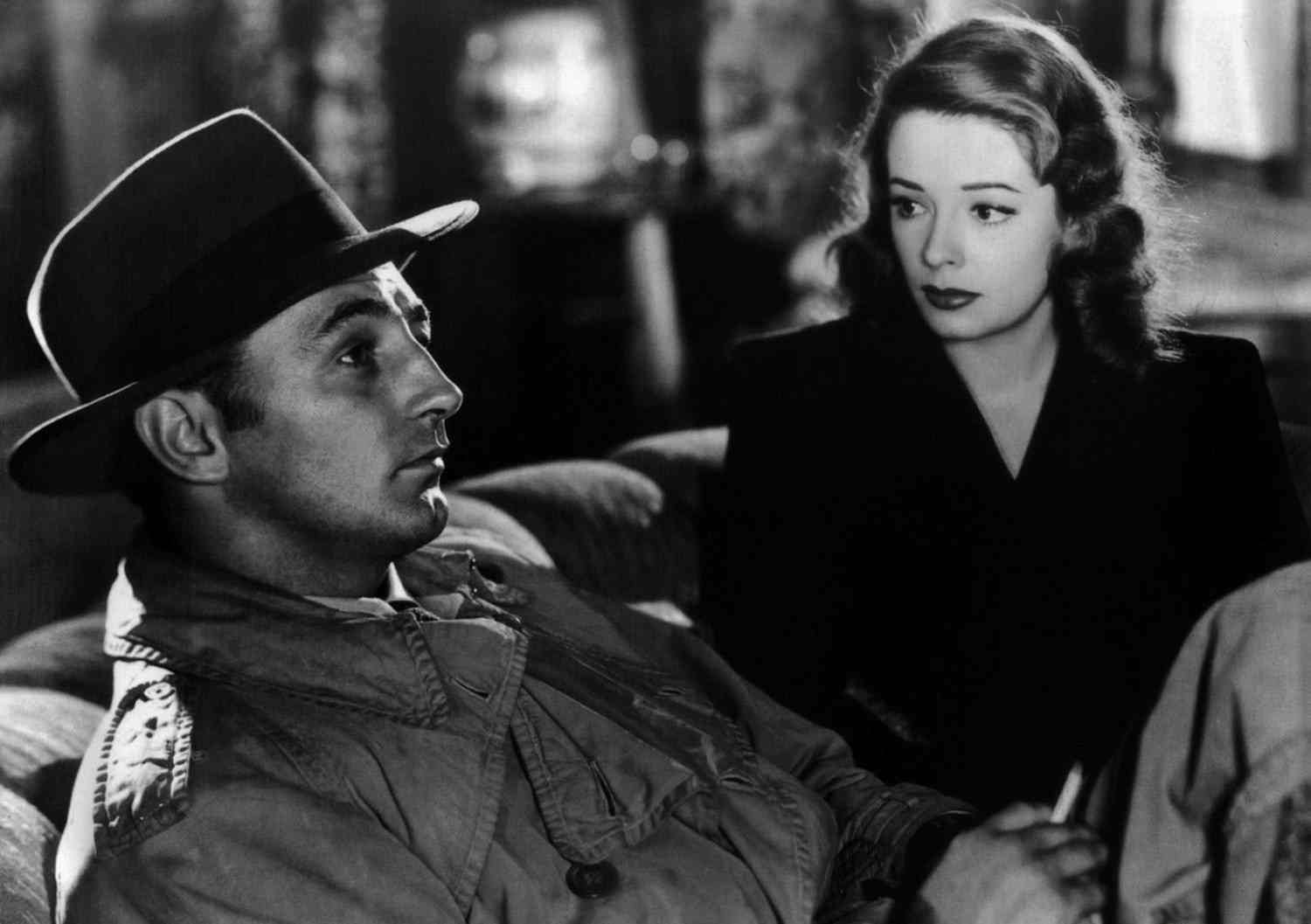
Cinema was the twentieth century’s own art form — the only major artistic medium to be invented after industrialisation and before the digital age. No other form matched its combination of mass reach, emotional immediacy, and technical complexity, and no other was so thoroughly shaped by the specific conditions of the century that produced it.
-
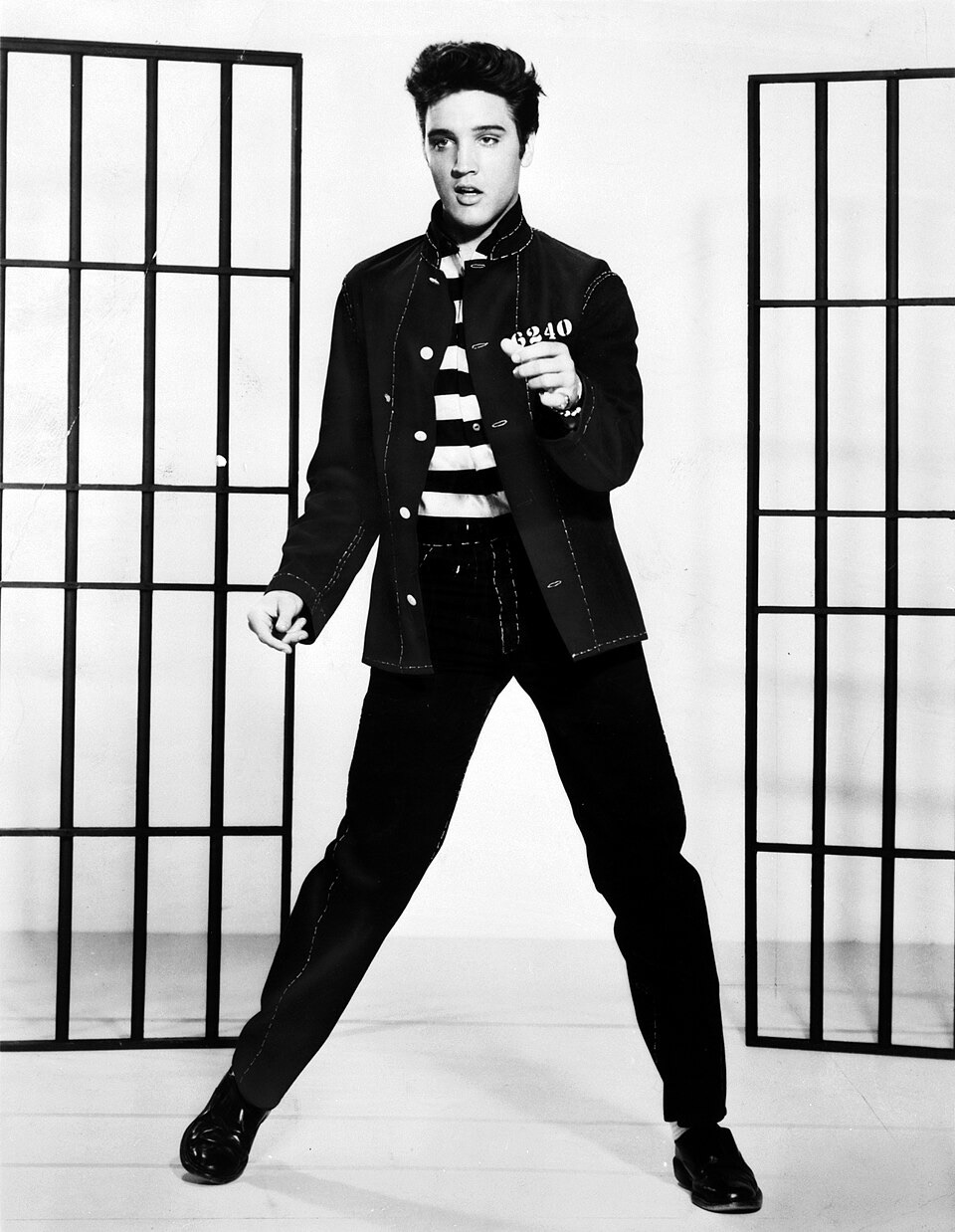
Rock and roll did not begin on the day Elvis Presley walked into Sun Studio in Memphis. It had been building for decades in the Black churches and juke joints of the American South. What changed in 1955 was not the music but the audience — and, behind the audience, the industry that decided white teenagers were ready to buy it.
-

When Betty Friedan named “the problem that has no name” in 1963, she gave language to a dissatisfaction that millions of women had been living without the words to describe. What followed — the women’s liberation movement of the 1960s and 1970s — was the most far-reaching cultural revolution of the postwar era. It was also an unfinished one.
-

In the spring of 1968, something happened that had not happened before and has not happened since: a set of political explosions occurred simultaneously in countries that had almost nothing in common — in their economies, their political systems, their social structures, their histories — but that nonetheless felt, to those participating in them and to those watching from outside, as if they were expressions of a single underlying rupture. Students in Paris built barricades in the Latin Quarter and triggered a general strike that briefly seemed capable of ending the Fifth Republic. Students in Prague celebrated a Communist Party…
-

On the evening of 8 May 1956, the Royal Court Theatre in Sloane Square, London, staged the premiere of a new play by a twenty-six-year-old actor and writer from Fulham named John Osborne. The audience that night included a mixture of established theatre critics and younger spectators who had been drawn in by word of mouth and a sense — difficult to define precisely but real — that something was about to happen.
-

The demographic transformation that made Black music audible to a mass American audience began in the decade before World War I and accelerated dramatically during and after it. The Great Migration — the movement of Black Southerners out of the Jim Crow South toward the industrial cities of the North — reshaped the human geography of the United States and carried with it the musical cultures of the Mississippi Delta, the Georgia sea islands, the Texas plains, and the New Orleans streets.