-

The plaque left on the Moon by the crew of Apollo 11 carries a message of transcendent human unity: “We came in peace for all mankind.” This phrase, crafted for a global audience, represents the idealistic face of the American space effort—a benevolent, universalist gift from a nation positioning itself as the leader of the free world. Similarly, Soviet propaganda consistently framed its cosmic achievements as triumphs of the socialist system, paving the way for a utopian future for all humanity. Yet, beyond the soaring rhetoric and the stunning imagery, the Space Race was perceived across the globe not as…
-
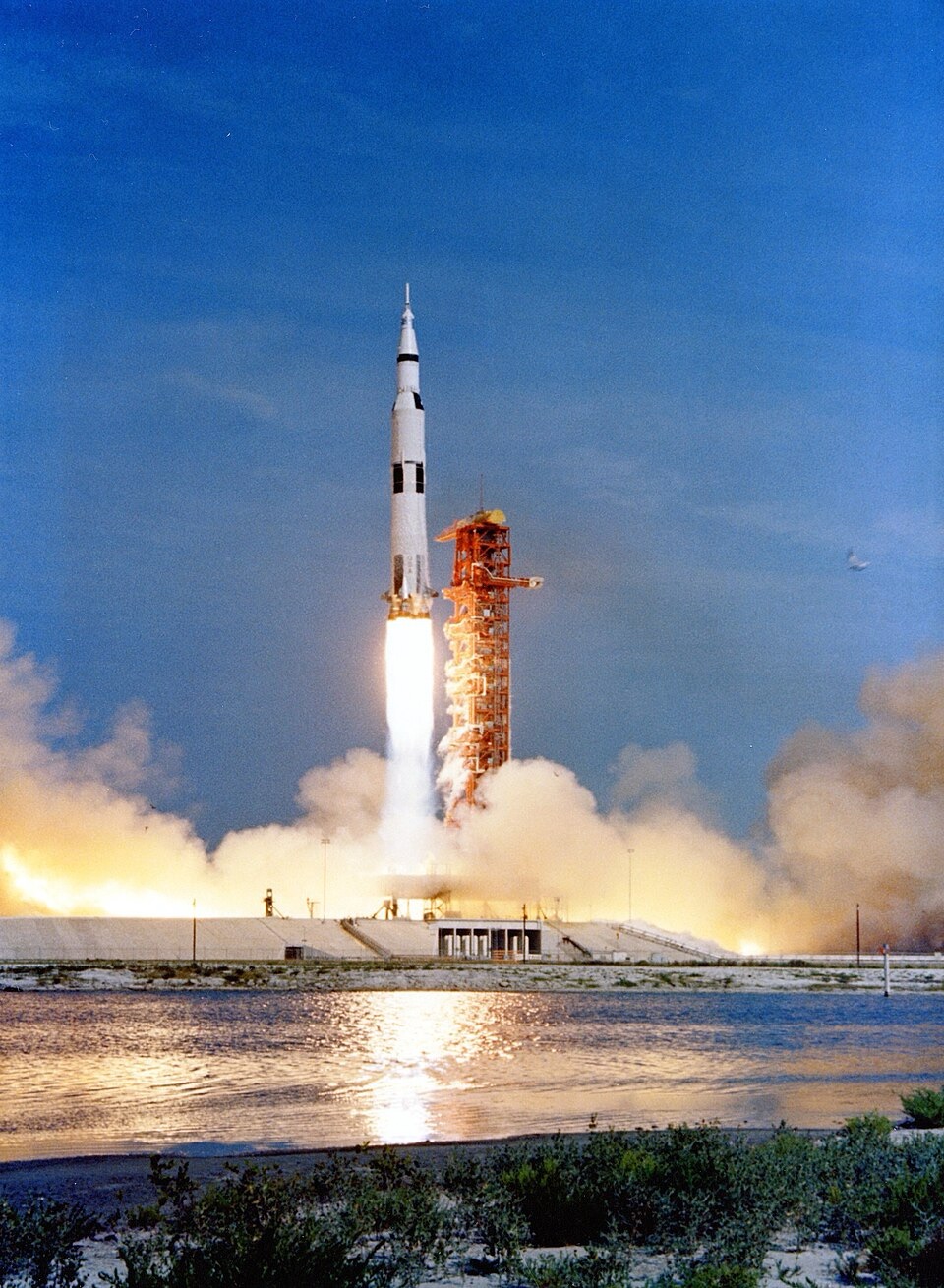
This analysis argues that the Apollo program was a central, contested symbol in the cultural and political wars of the 1960s and 70s. It was simultaneously a symbol of transcendent national ambition and a glaring symbol of misplaced priorities. By examining the critiques from the Civil Rights Movement, the anti-war and countercultural left, the feminist challenge to its masculine ideals, and the contentious political debates over its colossal cost, we can see that the journey to the Moon was not a unifying national pilgrimage.
-

The Kennedy Space Center (KSC) and its surrounding contractor campuses were not the sterile, futuristic utopias of propaganda films. They were massive, sprawling industrial sites, a “space-age company town” on the Florida coast. The workforce that assembled, tested, and launched the Apollo spacecraft was not comprised solely of white-shirted engineers with slide rules; it was a multi-tiered, unionized, and often discontented industrial labor force Image by Josh Hallett
-
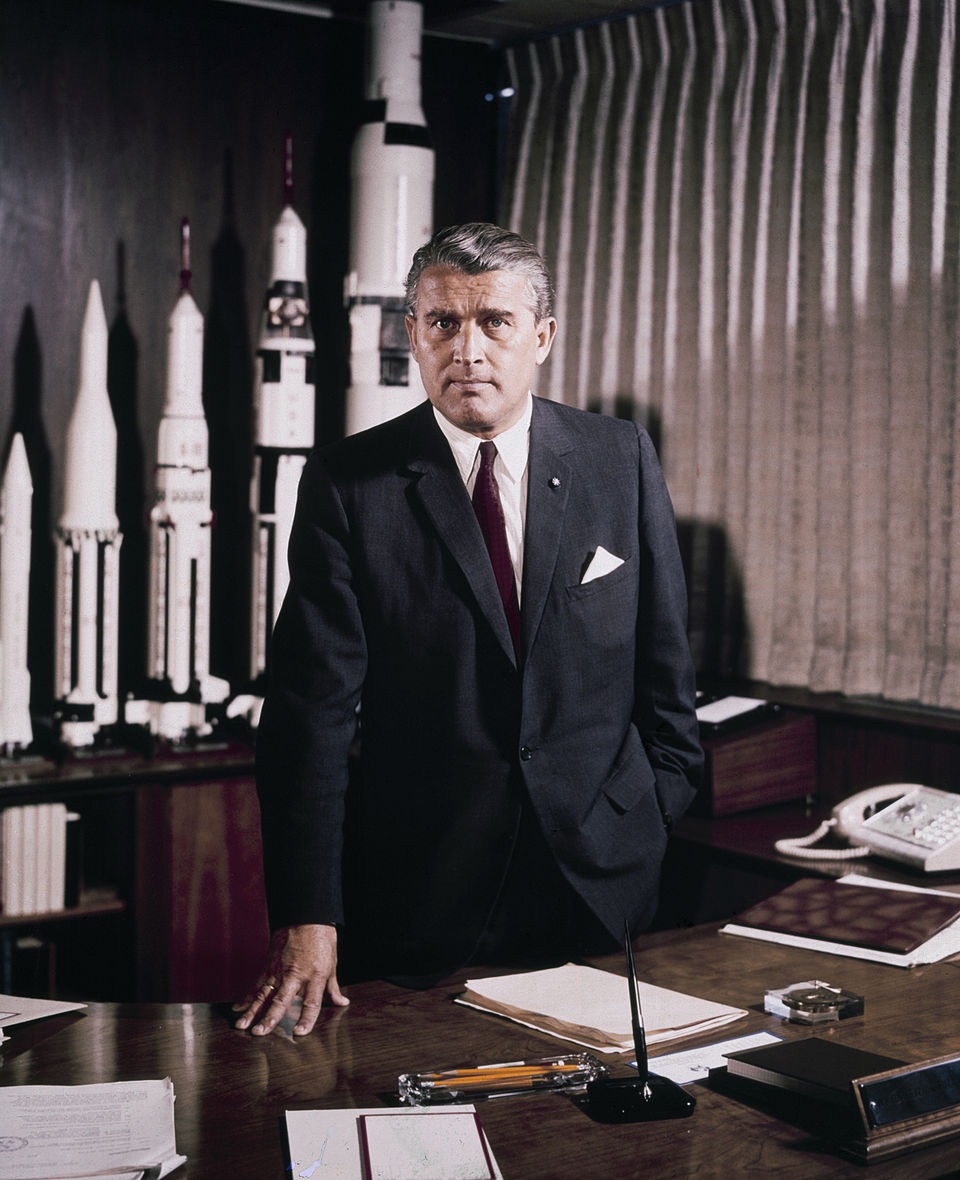
The conventional narrative of the Space Race presents a tale of two systems: the liberal, capitalist democracy of the United States pitted against the centralized, communist party-state of the Soviet Union. This framework, while capturing the superstructural conflict of the Cold War, obscures a more complex and unsettling substratum. The technological foundations upon which both superpowers launched their celestial ambitions were not solely products of indigenous innovation but were deeply embedded in the moral and geopolitical aftermath of the Second World War. The systematic recruitment of scientific and engineering personnel from the defeated Third Reich—most notably through the United States’…
-
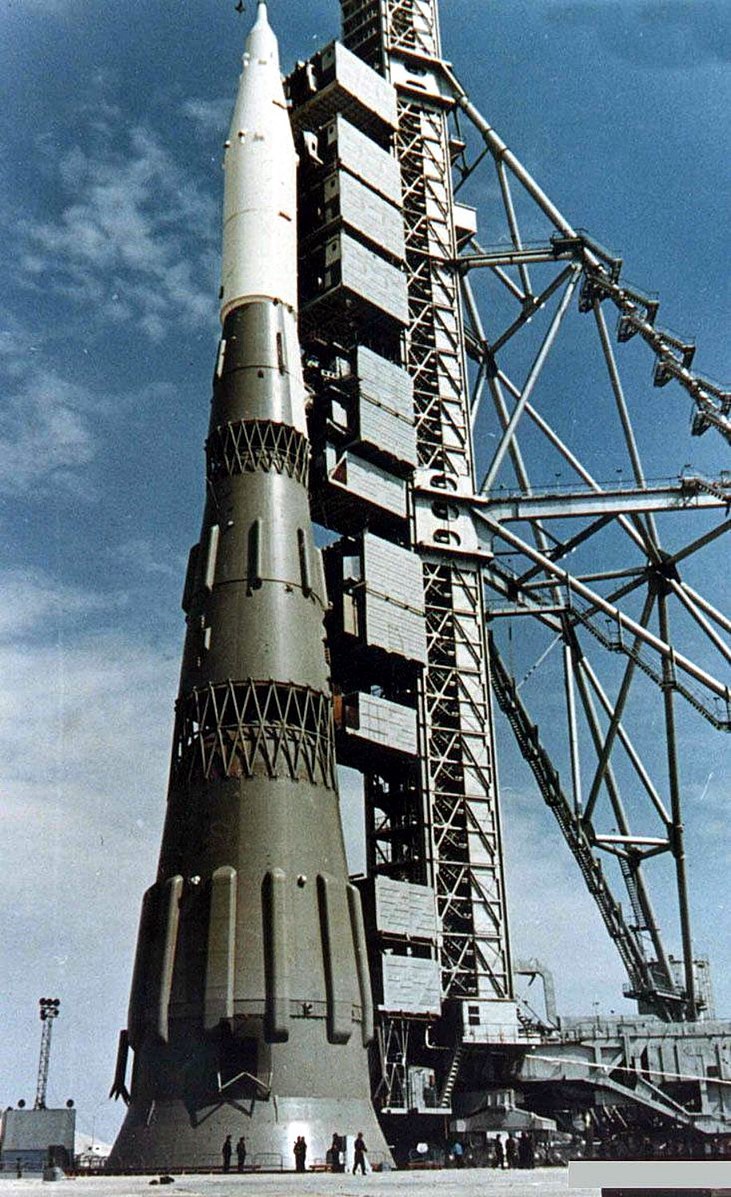
While the world watched Neil Armstrong’s “giant leap for mankind” in July 1969, a different, silent drama was unfolding on the other side of the planet. At the Baikonur Cosmodrome, the Soviet Union was preparing its final, desperate bid for lunar glory. The vehicle for this attempt was the N1, a colossal rocket that stood as a stark, brutalist counterpoint to the sleek, industrial elegance of the American Saturn V. Its four consecutive catastrophic failures between 1969 and 1972 were not merely technical setbacks; they were the violent, explosive autopsy of the entire Soviet technopolitical system. The N1 program, conducted…
-

While the Space Race is often visualized as a vertical contest—a dramatic climb towards the moon between two superpowers—it was equally a horizontal struggle for influence across the globe. From the moment Sputnik beeped over every nation on Earth, its signal was as much a political broadcast as a scientific one, a clear demonstration that the future would be shaped by the nation that controlled the high ground of technology and prestige. This realization triggered a parallel, terrestrial competition: the battle for the “Third World.”
-

The dramatic narrative of the Space Race is often told through its spectacular successes and failures: Sputnik’s beep, Gagarin’s orbit, the Apollo 11 landing. Yet, behind these milestones lay a deeper, more determinative struggle—a clash of competing technopolitical cultures. This was not merely a contest of rockets, but a fundamental disagreement over how to organize knowledge, manage risk, and innovate under extreme pressure. On one side was the American model, often romanticized as the “Right Stuff”—a culture that, despite its hierarchical structure, tolerated public failure, celebrated individual initiative, and fostered a sometimes-chaotic meritocracy. On the other was the Soviet system,…
-
The American triumph in the Moon Race is often visualized through its iconic outputs: the Saturn V rocket, the Lunar Module, and Neil Armstrong’s ghostly footprint. These tangible artifacts, however, were merely the visible results of a far more profound and enduring revolution. The Apollo program was not simply an engineering project; it was a vast, unprecedented experiment in social, managerial, and political organization. To meet President Kennedy’s audacious deadline, the United States could not merely build bigger rockets; it had to invent a new way of marshaling knowledge, labor, and technology on a national scale. The result was the…
-
On April 12, 1961, a 27-year-old former steelworker turned military pilot named Yuri Gagarin squeezed into the Vostok 1 spacecraft and was launched into the unknown. His 108-minute orbital flight was more than a human milestone; it was the apotheosis of a decades-long ideological project. To the Western world, Gagarin was a brave explorer. To the Soviet Union, he was something far more profound: the living, breathing embodiment of the “New Soviet Man,” a perfected human product of the communist system, now claiming the cosmos as his rightful domain. His flight was not presented as a mere technological achievement, but…
-
On October 4, 1957, a polished sphere of aluminum, no larger than a beach ball, began its elliptical journey around the Earth. From its antennae emanated a steady, repetitive beep-beep-beep—a sound that was, for millions, both scientifically wondrous and politically terrifying. The Soviet Union’s launch of Sputnik 1 was not merely a scientific milestone; it was a masterstroke of technopolitical theater. It weaponized a satellite, transforming it into a symbol that shattered the foundational narrative of post-war American identity: the unassailable supremacy of its technology, its political system, and its vision of the future. The event triggered a cascade of…