-
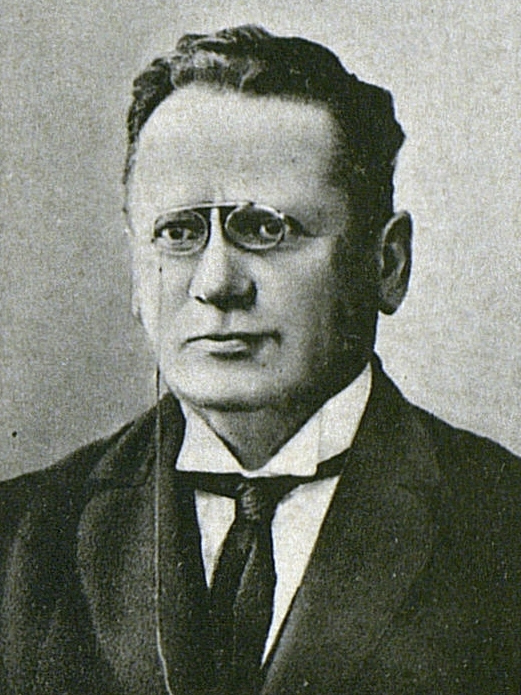
In March 1917, the Tsar fell. Within days, Russian political exiles scattered across Europe began packing their bags. The only problem was getting home—and that meant going through London. The News Arrives When the February Revolution happened in 1917, one of the key challenges for governments around the world was trying to make sense of it. Russia was a difficult country to understand at the best of times. Under revolutionary conditions, it became almost impossible. Whose reports could be trusted? Which factions would prevail? And what would it all mean for the ongoing war against Germany? In Britain, the picture…
-

The news from Caracas is still sketchy, but the picture emerging is one of unprecedented escalation. Apache gunships over the capital, explosions in the streets, and reports that President Nicolás Maduro has been abducted by US forces.
-

As a tumultuous 2025 draws to a close, a quiet but seismic shift in the global order has become undeniable: the United States, after a years-long struggle, is losing the technology war with China. This is not the result of a single policy failure or presidential misstep, but the culmination of a half-century divergence in economic philosophy. While the West pursued a neoliberal doctrine that hollowed out its industrial base, China cultivated a potent form of state-directed capitalism designed for long-term strategic competition. The consequences of these divergent paths are now coming to a head, marking a pivotal moment that…
-
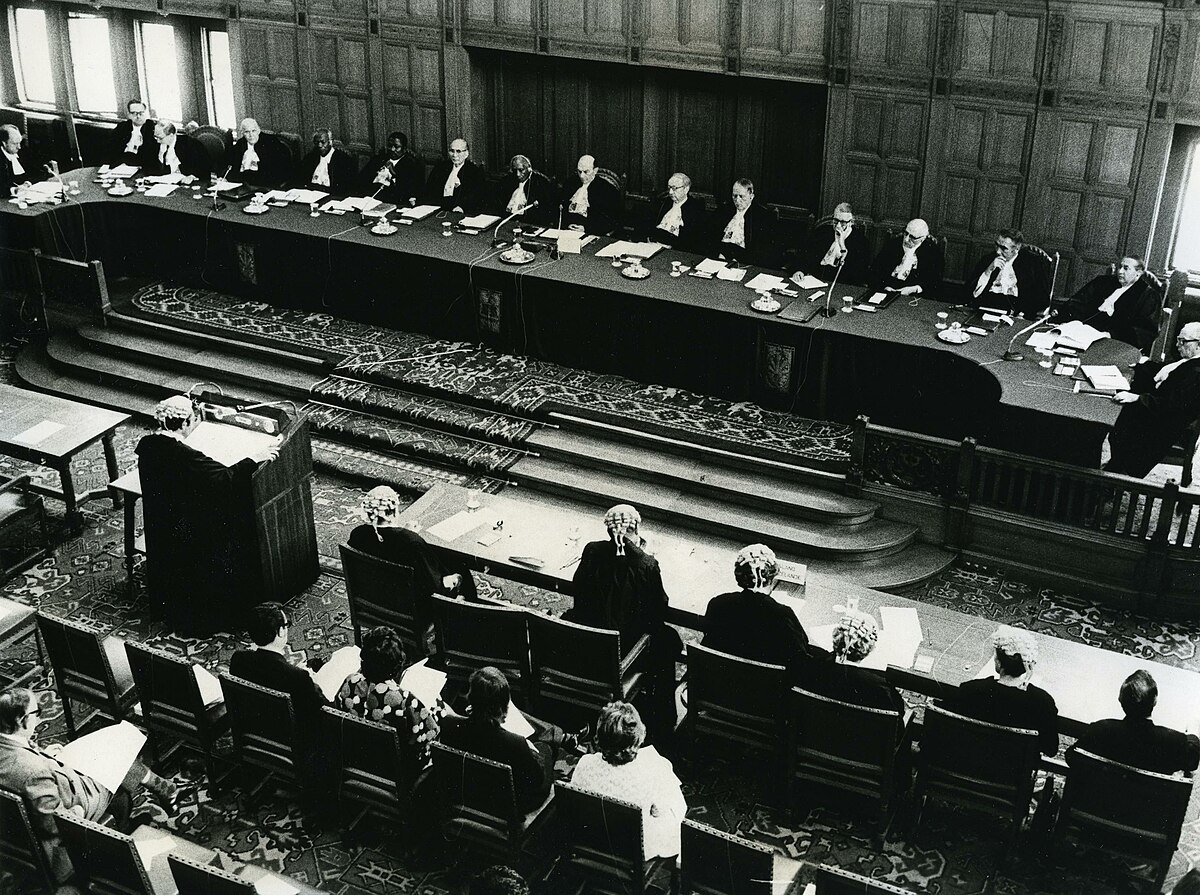
Introduction Modern states have long wrapped power in moral language. From “civilization” and “freedom” to “the rules-based order,” the case for war, sanctions, or strategic alignment is rarely framed as naked interest. Yet the credibility of that moral language shifts with events. This piece traces how “moral authority” was constructed and performed by Western powers across the last century—and why, in 2025, it appears fragile. The story runs from the First World War’s sudden moral turn, through interwar peace movements and the Second World War, to the Cold War’s contradictions and the Bretton Woods order. It ends with the present:…
-

Introduction: What Changed Since July? In mid-July 2025, a coalition of over 30 states met in Bogotá under the auspices of the “Hague Group” to issue what its organizers called “concrete measures” against Israel’s operations in Gaza. They framed this as a turning point: no longer merely verbal condemnation, but a coordinated attempt to enforce international law, restrict arms flows, and assert that no state is above accountability. Since then, a number of developments have added urgency, clarified the shape of the coalition, and revealed both its potential and its fragilities. In October, the Israeli interception of an aid flotilla…