-
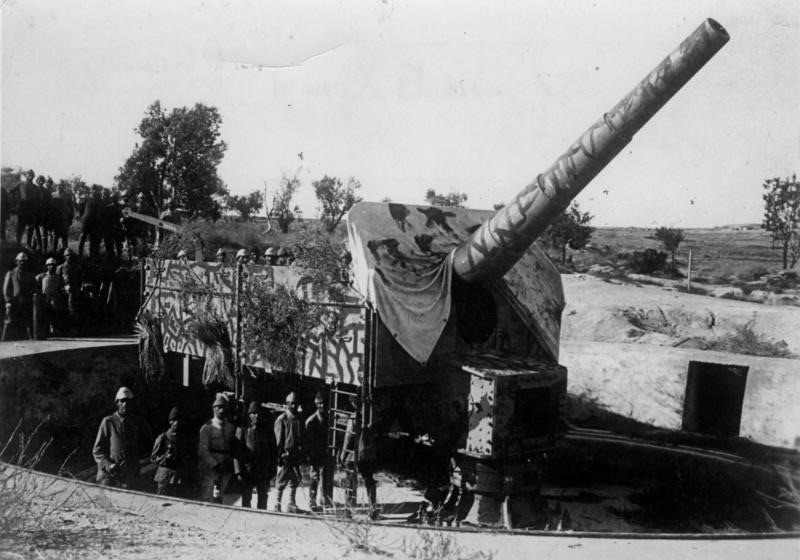
The Gallipoli Campaign, a defining moment in World War I, saw over 130,000 soldiers killed. Its meaning varies by nation: to Australians and New Zealanders, it is the birth of national consciousness; to Turks, a myth of victory; and to the British, a symbol of imperial missteps. This article explores how history and memory shape these divergent national stories.
-

In 1973, the Whitlam government ushered in groundbreaking reforms, propelled by relentless advocacy from the women’s liberation movement. With policies like equal pay and women’s refuges, they reshaped the nation’s stance on gender equality.
-

In 1972, four Aboriginal men erected an umbrella in Canberra, igniting a protest that would challenge Australia’s foundations. Their demand: land rights now. This act was more than a protest; it was a bold assertion of sovereignty and a catalyst for Aboriginal political organizing.
-

Experience the transformation of Australian culture from a nation confined by British influence to one bold enough to define itself through iconic music like AC/DC. Discover how Nevil Shute’s ‘On the Beach’ foresaw a nation on the brink, while AC/DC’s debut roared to life, challenging the world to recognize Australia’s unique voice.
-

In 1968, Prime Minister Harold Wilson’s bold move accelerated Britain’s military exit from Southeast Asia, signaling the dawn of Australia’s independence. This pivotal shift marked a slow unraveling of the ties that bound the two nations, transforming Australia into a sovereign entity with its own unique identity.
-
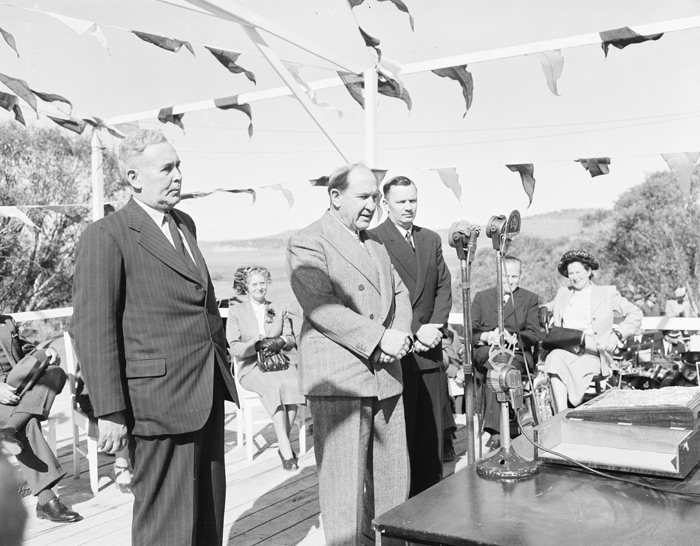
The Snowy Mountains Scheme was more than a hydroelectric project; it was a nation-building endeavor that tested the limits of cultural integration and technological ambition.
-

From courtroom battles to grassroots activism, the women’s liberation movement permanently altered Australia’s perception of power and equality.
-

In the turbulent 1970s, Australia’s left fractured and fused in unexpected alliances, redefining labor movements and student activism. Witness how the New Left’s radical vision collided with the seasoned blue-collar militancy, sparking transformative changes in Australian politics.
-
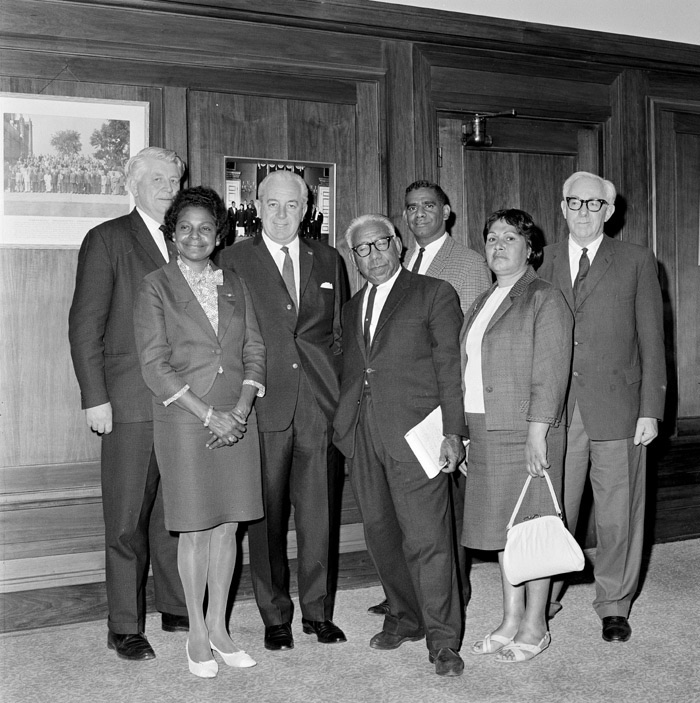
This pivotal referendum reshaped the Constitution, but left unresolved issues of land rights and discrimination, setting a complex legacy for Aboriginal activism.
-

Australia’s post-war immigration policy, championed by Arthur Calwell, sought to ‘populate or perish,’ inviting over a million displaced persons and refugees. Despite assimilation promises, migrants were integral to shaping the nation, quietly defying assimilation and becoming architects of Menzies-era prosperity.