-

The Ottoman Empire’s bold but ultimately failed assault on the Suez Canal in 1915 revealed the harsh realities of war and exposed its strategic vulnerabilities. This early military operation sought to sever British communications and incite an uprising but highlighted the fragile nature of Ottoman military planning.
-

Introduction The Western Front of the First World War occupies a uniquely grim position in the popular imagination. It is a landscape defined by static lines of trenches, the nihilistic slaughter of the Somme and Passchendaele, and the apparent futility of a generation sacrificed by an incompetent and callous high command. This pervasive narrative, often summarised by the aphorism “lions led by donkeys,” posits the conflict as a catastrophic failure of strategy and humanity, a four-year descent into meaningless attrition. While this perspective captures the profound human tragedy of the war, it fails to apprehend the underlying strategic, political, and…
-
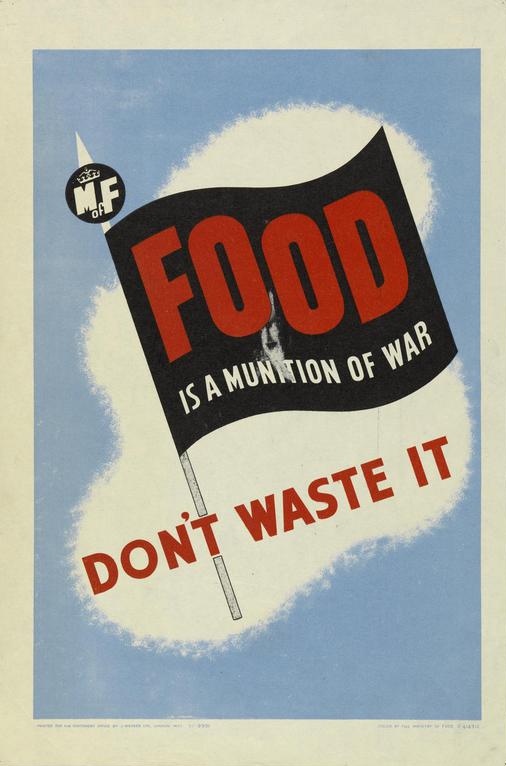
When the First World War began in 1914, nations discovered that modern war required more than guns and factories. It needed imagination. The conflict would be fought not only on the battlefield but in newspapers, cinemas, schools, and living rooms. For the first time, governments set out to manage what people felt. Posters, songs, films, and radio broadcasts became weapons in a struggle for morale. The same technologies that had been used to sell soap and cigarettes were now used to sell sacrifice and endurance. The twentieth century’s wars were also wars of culture — battles to control the stories…
-
Introduction The outbreak of the First World War in 1914 was the result of a complex interplay of long-term structural forces and short-term decisions. Historians have long debated the war’s causes, proposing various explanations that highlight factors such as rampant nationalism, imperial rivalries, militarism and the arms race, entangling alliances and diplomatic failures, economic competition, and the chain of events during the July Crisis. This literature review examines key historiographical debates on the war’s origins from 1870 to 1914, surveying interpretations from classic scholars like A.J.P. Taylor and Fritz Fischer to more recent voices such as Christopher Clark. Over time,…