-

In the summer of 1914, the Ottoman Empire faced a world of enemies. Surrounded by voracious powers – Britain in Egypt, Russia along the Black Sea, a hostile Habsburg Empire to the west, and a recently hostile Italy in the Mediterranean – the Young Turks who ruled the empire saw enemies everywhere. Their desperate gamble to cut the Suez Canal would become one of the most audacious – and doomed – campaigns of the First World War.
-

The decline of the Ottoman Empire was not a single event but a slow, agonizing process of attrition. Throughout the 19th century, the “Sick Man of Europe” lost territory piece by piece—Algeria to France, Egypt to Britain. But the final act began in 1911, not in the Balkans or the Caucasus, but on the sands of North Africa. In this week’s podcast, I explored the Italian invasion of Libya, a conflict that is often overlooked but was pivotal in setting the stage for the First World War. The Latecomer to Empire Italy, unified only in 1871, was desperate to join…
-
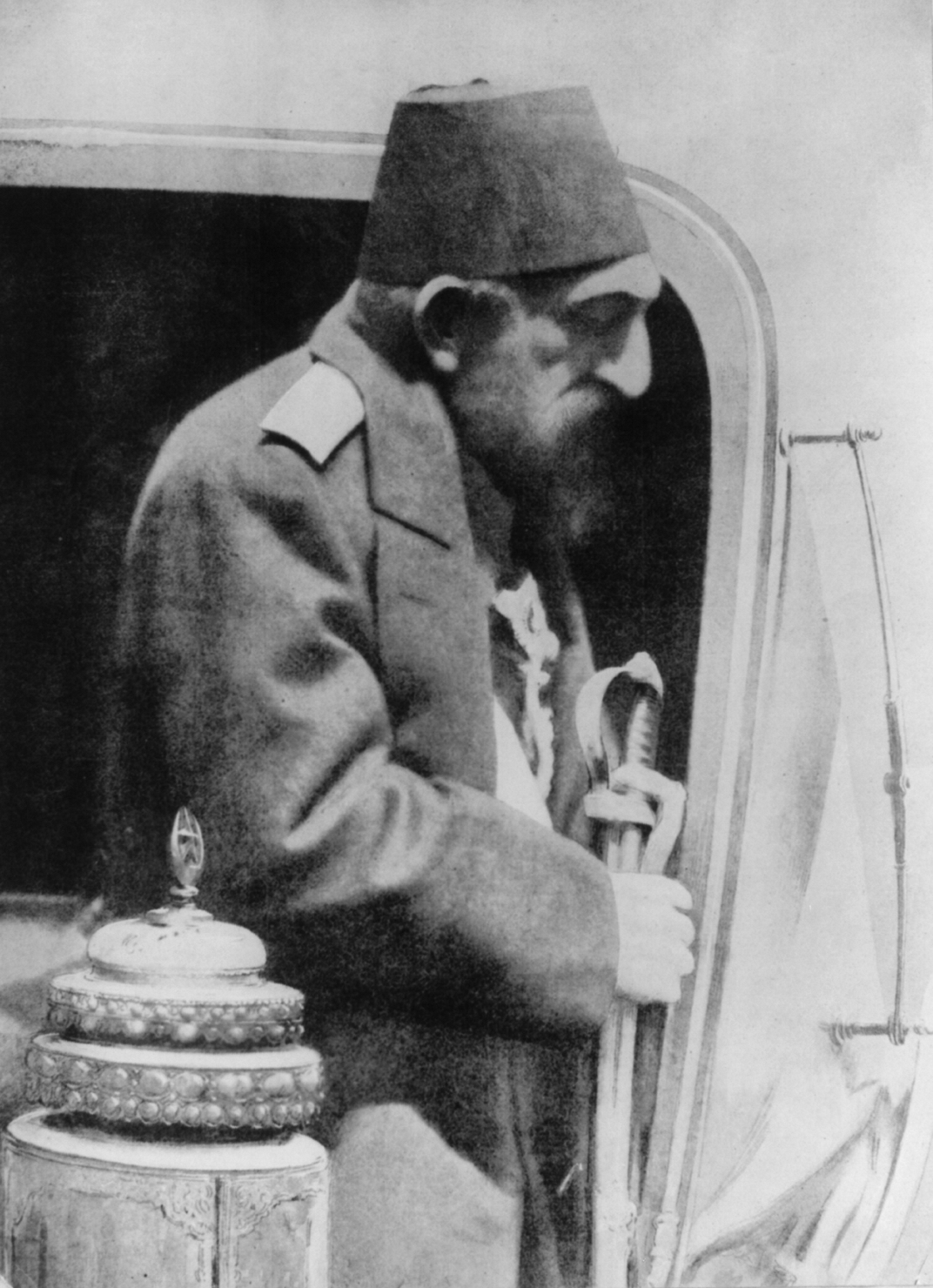
Revolutions rarely end with the fall of the old regime. Often, that is merely the prelude to a deeper, bloodier struggle over what comes next. In the Ottoman Empire, the Young Turk Revolution of 1908 was greeted with jubilation. Turks, Arabs, and Armenians celebrated in the streets, believing that the restoration of the constitution would save the empire.
-

When we think of the revolutions that shaped the 20th century, our minds naturally drift to 1917. The collapse of the Romanov dynasty and the rise of the Bolsheviks is the central drama of modern history. However, almost a decade earlier, another great empire underwent a convulsion that was just as significant for the future of the Middle East and Europe.
-
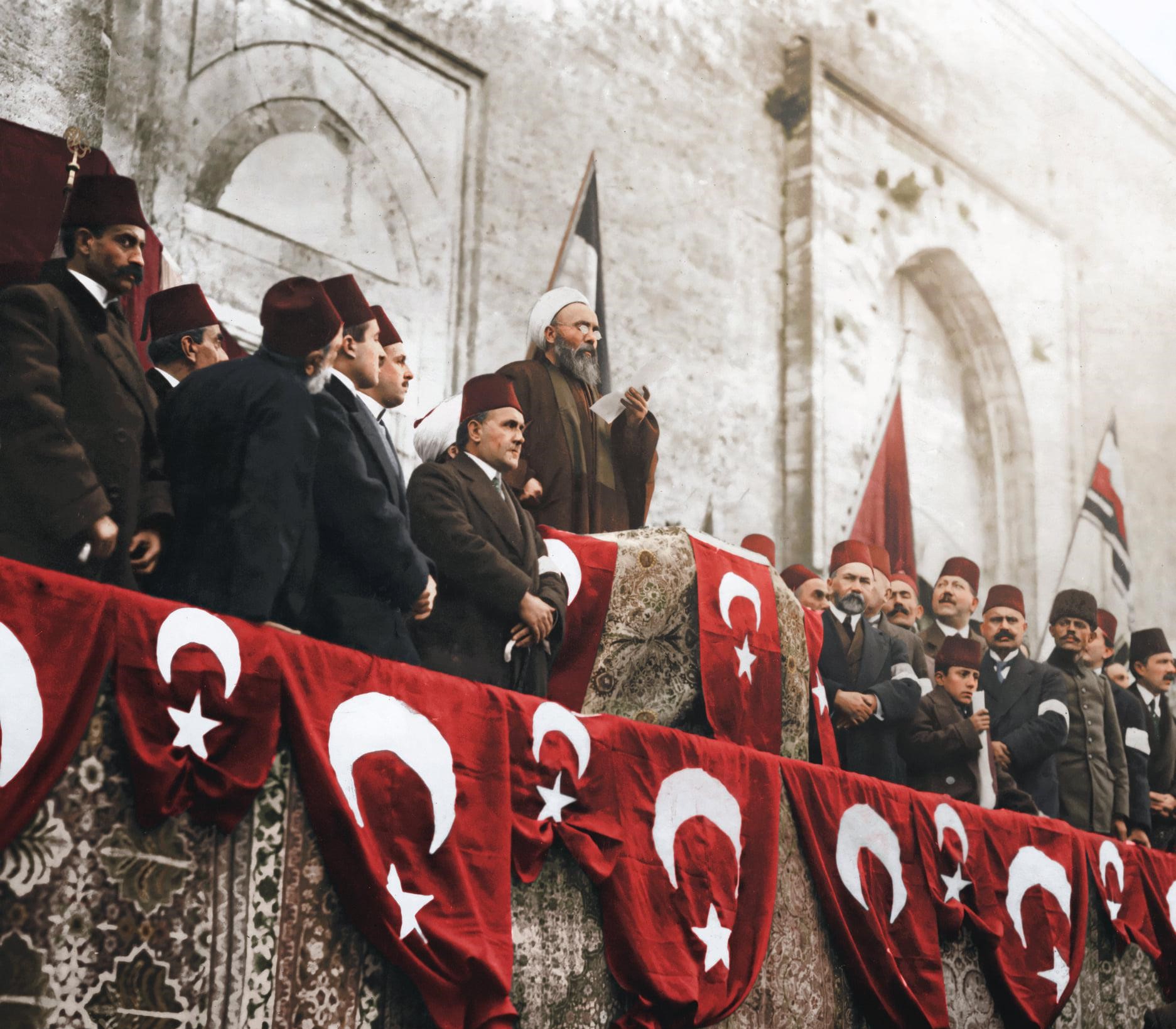
The Ottoman Empire, the so-called “Sick Man of Europe,” entered the cataclysm of the First World War on the side of Germany after signing a secret treaty on August 2nd 1914. This was not the simple act of a German puppet, but a desperate, calculated gamble by a proud empire caught in the crosshairs of European rivalries. For decades, the great powers had circled the dwindling Ottoman Empire, pondering the “Eastern Question”—what to do with its territories once it inevitably collapsed. The Empire had been dealt a series of staggering blows: humiliating defeats in the Balkan Wars of 1912-13 stripped…