-
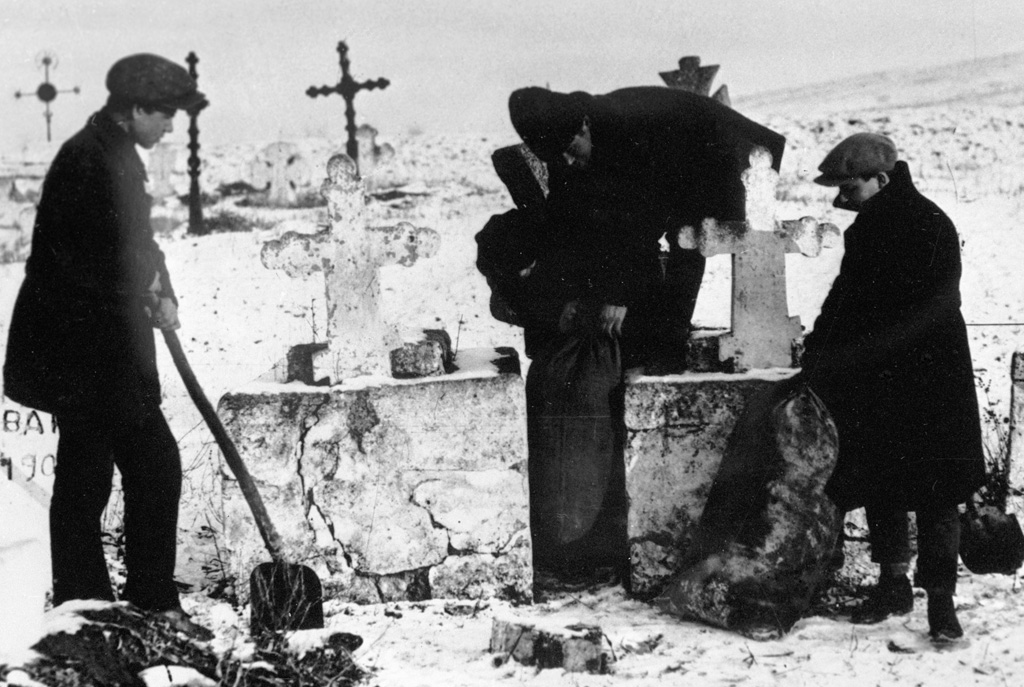
In 1928, the Soviet Union faced a choice. It could continue with the New Economic Policy (NEP), using market mechanisms to encourage peasants to grow grain, or it could return to the methods of the Civil War: force, requisitioning, and terror. Stalin chose the latter. In this week’s podcast, I continued my exploration of Robert Conquest’s The Harvest of Sorrow, focusing on the pivotal moment when the Soviet leadership decided to declare war on the countryside.
-

The narrative of foreign participation in the Spanish Civil War has been overwhelmingly shaped by the story of the International Brigades—the leftist volunteers who fought for the Republic. This focus, while substantively justified by their numbers and symbolic weight, has often obscured a parallel phenomenon: the thousands of foreigners who took up arms for Francisco Franco’s Nationalist faction. These volunteers, ranging from ideologically driven fascists and devout Catholics to mercenaries and political exiles, constituted a significant, though less centralized, dimension of the conflict’s internationalization. Their presence was instrumental to Nationalist propaganda, which leveraged them to portray the war as a…
-
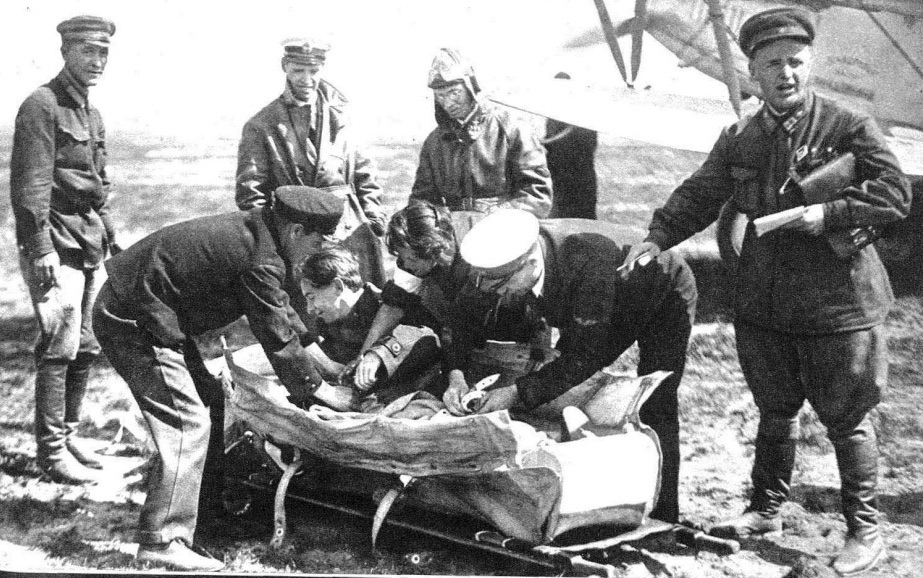
The international dimension of the Spanish Civil War is often conceptualized as a polarized contest between fascist and anti-fascist forces, a framework that assigns the Soviet Union a clear role as the principal patron of the Republican cause. This characterization, while not entirely inaccurate, obscures a far more complex and contradictory reality.
-
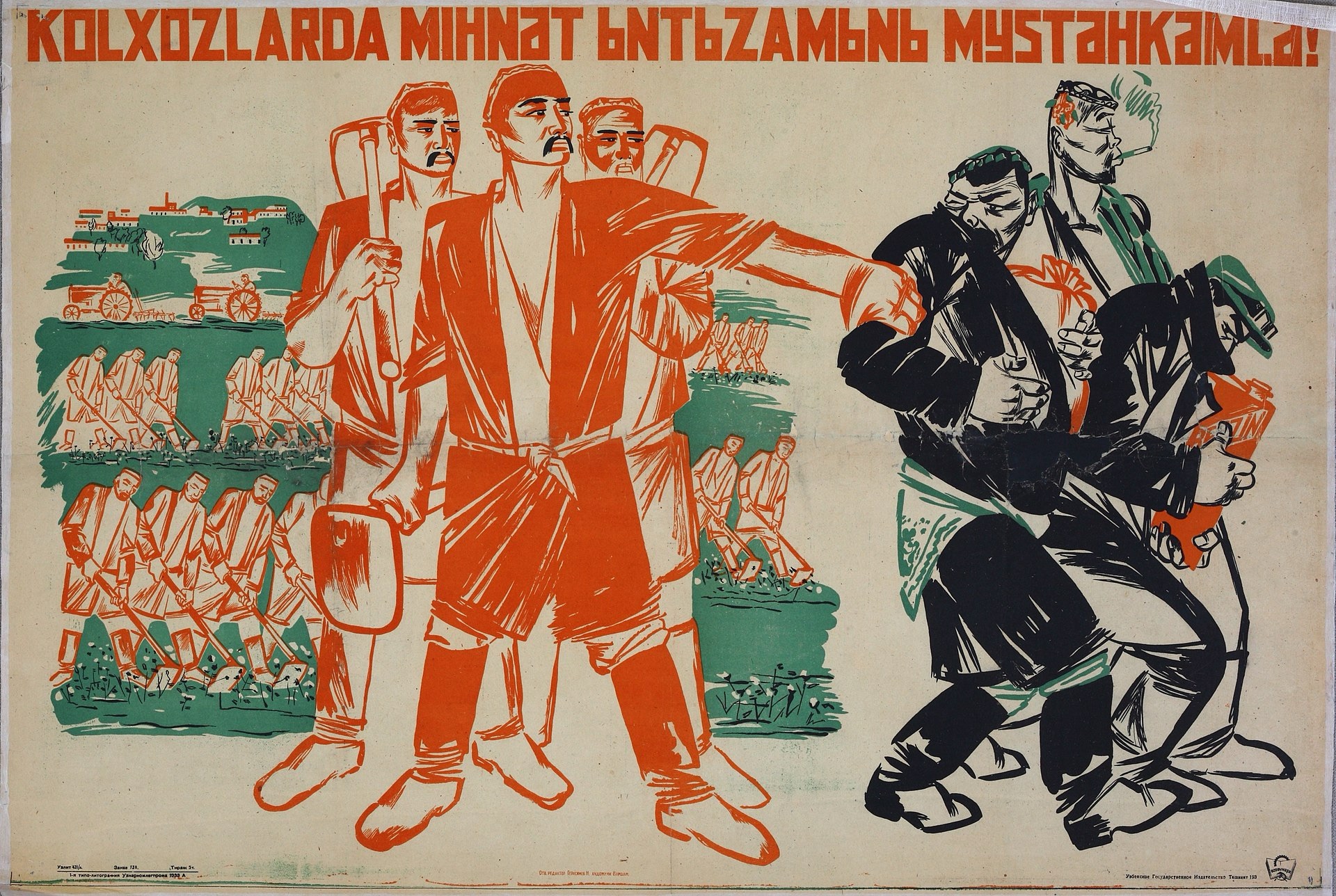
History is often shaped not just by material conditions, but by how leaders interpret those conditions. In the late 1920s, Joseph Stalin looked at the Soviet countryside and saw an enemy that wasn’t there. In this week’s podcast, I explored the roots of the Soviet famine and collectivization, focusing on the critical period of 1928-1929. Using Robert Conquest’s classic study The Harvest of Sorrow as a guide, we stepped into the mindset of the Bolshevik leadership to understand why they declared war on their own peasantry.
-

By history1917 The statistics of Soviet industrialization between 1928 and 1941 appear staggering at first glance: steel production multiplied fivefold, electricity generation quadrupled, and the USSR transformed from a nation that imported tractors to one that produced them in massive quantities. Yet behind these impressive numbers lies a complex and deeply contested economic story—one that reveals both the brutal efficacy and profound limitations of StalinStalin Joseph Vissarionovich Stalin (18 December 1878 – 5 March 1953) was a Soviet politician, dictator and revolutionary who led the Soviet Union from 1924 until his death in 1953. Read More’s industrial revolution. The Scale…
-
A powerful essay on StalinStalin Joseph Vissarionovich Stalin (18 December 1878 – 5 March 1953) was a Soviet politician, dictator and revolutionary who led the Soviet Union from 1924 until his death in 1953. Read More’s Five Year Plans requires compelling evidence. These fifteen quotes—drawn from Stalin’s own speeches, contemporary observers, and leading historians—will help you illustrate the ideology, implementation, human cost, and historical debates surrounding this transformative period. Use them to strengthen your arguments and demonstrate a nuanced understanding. I. The Official Vision: Ideology and Justification “We are fifty or a hundred years behind the advanced countries. We must…
-
By history1917 The statistics of Soviet industrialization between 1928 and 1941 appear staggering at first glance: steel production multiplied fivefold, electricity generation quadrupled, and the USSR transformed from a nation that imported tractors to one that produced them in massive quantities. Yet behind these impressive numbers lies a complex and deeply contested economic story—one that reveals both the brutal efficacy and profound limitations of StalinStalin Joseph Vissarionovich Stalin (18 December 1878 – 5 March 1953) was a Soviet politician, dictator and revolutionary who led the Soviet Union from 1924 until his death in 1953. Read More’s industrial revolution. The Scale…
-
If StalinStalin Joseph Vissarionovich Stalin (18 December 1878 – 5 March 1953) was a Soviet politician, dictator and revolutionary who led the Soviet Union from 1924 until his death in 1953. Read More’s First Five Year Plan was an economic revolution, then forced collectivization was its brutal engine—a campaign of state terror that fundamentally reshaped Soviet society and left millions dead. While official propaganda touted the modernization of agriculture, historians like Robert Conquest, Sheila Fitzpatrick, and Timothy Snyder have revealed the grim reality: a deliberate war against the peasantry that served as the foundation for Stalin’s industrial dreams. The Ideological…