-

In this episode, Tony Fox discusses “Remember Me to My Comrades,” a collection of letters and diaries from International Brigade volunteers from Northern England. The narrative explores the political dimensions of these volunteers, their sacrifices during the Spanish Civil War, and their lasting legacy in the fight against fascism, highlighting their humanity and commitment.
-
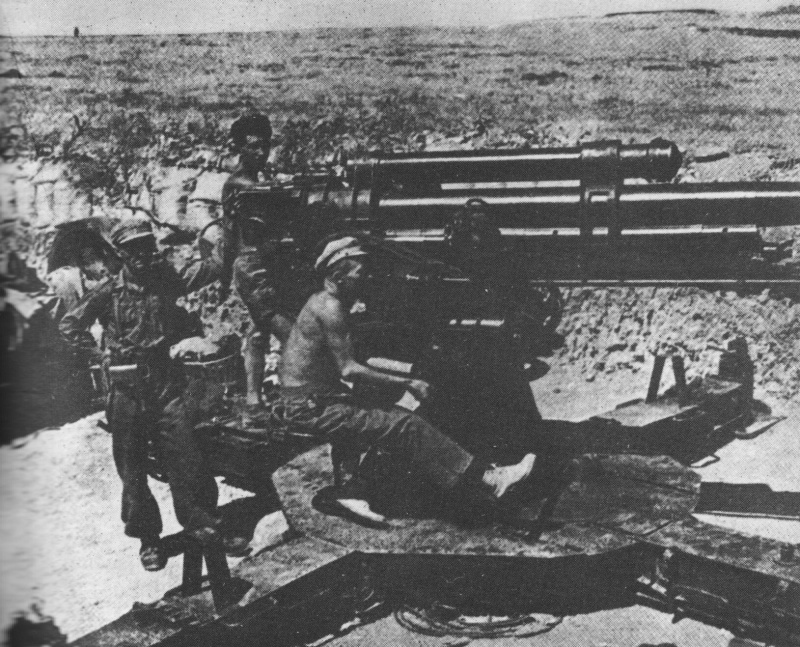
In the summer of 1938, the Spanish Republic launched a desperate attack across the Ebro River. The goal was not just military—it was diplomatic. Prime Minister Juan Negrín hoped that by proving the Republic still had fight in it, he could convince Britain and France to lift their arms embargo and stand up to the fascist powers backing Franco. For the soldiers on the ground, particularly the volunteers of the International Brigades, this meant enduring hell. As Adam Hochschild describes in Spain in Our Hearts, men fought for weeks without sleep, under a sun that reached 134°F, while German and Italian…
-

The narrative of foreign participation in the Spanish Civil War has been overwhelmingly shaped by the story of the International Brigades—the leftist volunteers who fought for the Republic. This focus, while substantively justified by their numbers and symbolic weight, has often obscured a parallel phenomenon: the thousands of foreigners who took up arms for Francisco Franco’s Nationalist faction. These volunteers, ranging from ideologically driven fascists and devout Catholics to mercenaries and political exiles, constituted a significant, though less centralized, dimension of the conflict’s internationalization. Their presence was instrumental to Nationalist propaganda, which leveraged them to portray the war as a…
-

The Spanish Civil War is frequently analyzed through a binary lens: a struggle between a fascist-aligned Nationalist coalition and a Republican alliance defending parliamentary democracy. This framework, however, obscures a transformative third force that fundamentally shaped the conflict’s initial phase and its international reception. In the summer of 1936, the military rebellion triggered not only military resistance but a profound social revolution, spearheaded by the anarcho-syndicalist Confederación Nacional del Trabajo (CNT) and the Iberian Anarchist Federation (FAI). This revolution, characterized by the large-scale collectivization of industry and agriculture, the formation of popular militias, and the de facto implementation of libertarian…
-
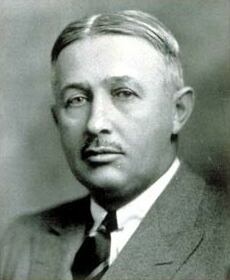
The military history of the Spanish Civil War is a complex story of campaigns, battles, and foreign interventions. Yet, underlying this violent surface was a decisive, less-visible struggle waged over a single, indispensable resource: petroleum. In an era where military mobility, air power, and industrial logistics were increasingly mechanized, oil was the lifeblood of modern warfare. The conflict’s outcome was thus shaped not only by the flow of men and arms across borders but by the clandestine and politicized flow of hydrocarbon fuels. The Spanish Civil War starkly revealed how economic warfare, conducted through the control of strategic resources, could…
-
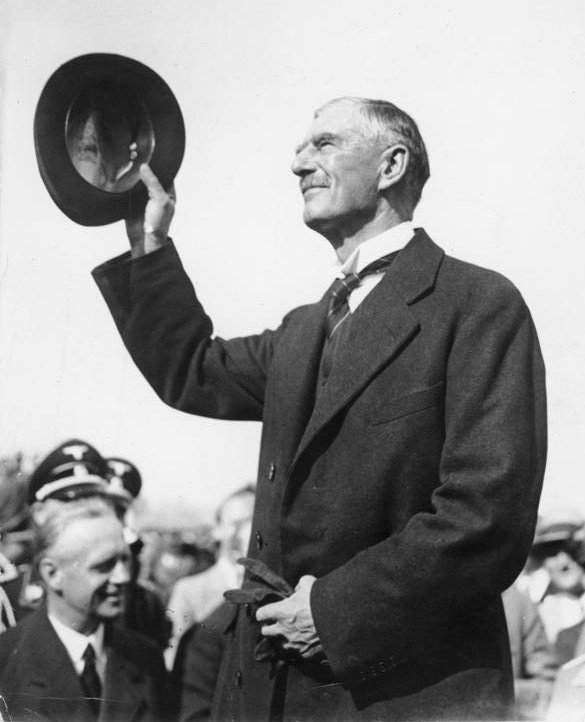
During the Spanish Civil War one of the most decisive forms of intervention was, paradoxically, an act of collective non-intervention. The policy of Non-Intervention, formally adopted by twenty-seven European nations in August 1936 and administered by a London-based committee until the war’s end, stands as a landmark of diplomatic failure and moral abdication. It was a policy designed not to prevent foreign interference, but to license it selectively; not to uphold international law, but to subvert it for reasons of political expediency.
-
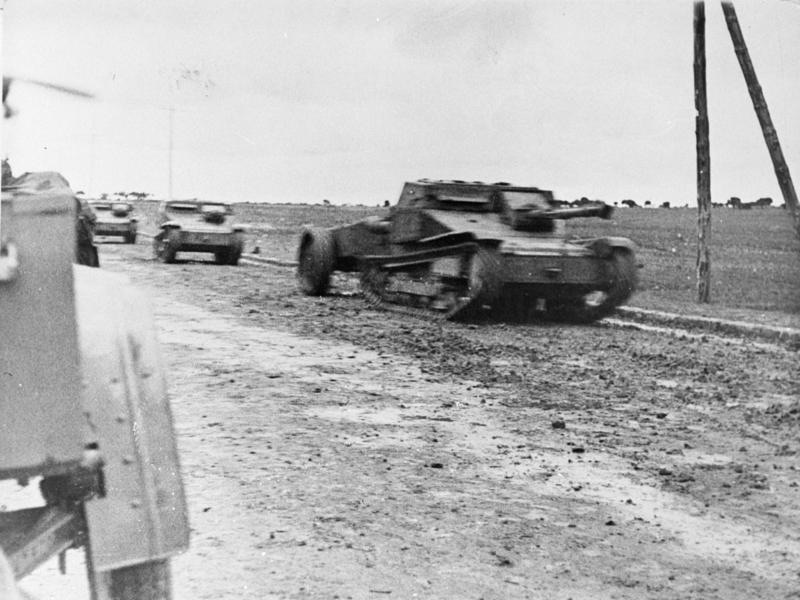
Of the various foreign interventions in the Spanish Civil War, that of Fascist Italy under Benito Mussolini occupies a singular and paradoxical position. It was, by any objective measure, an invasion: a massive, state-directed deployment of military personnel and matériel exceeding in sheer numbers the contribution of Nazi Germany, yet it has often been relegated to a secondary status in historical memory, overshadowed by the more technologically formative German intervention and the ideologically potent Soviet one. Italy’s involvement was characterized not by the covert experimentation of the Legion Condor but by a blatant, triumphalist projection of national power, intended to…
-
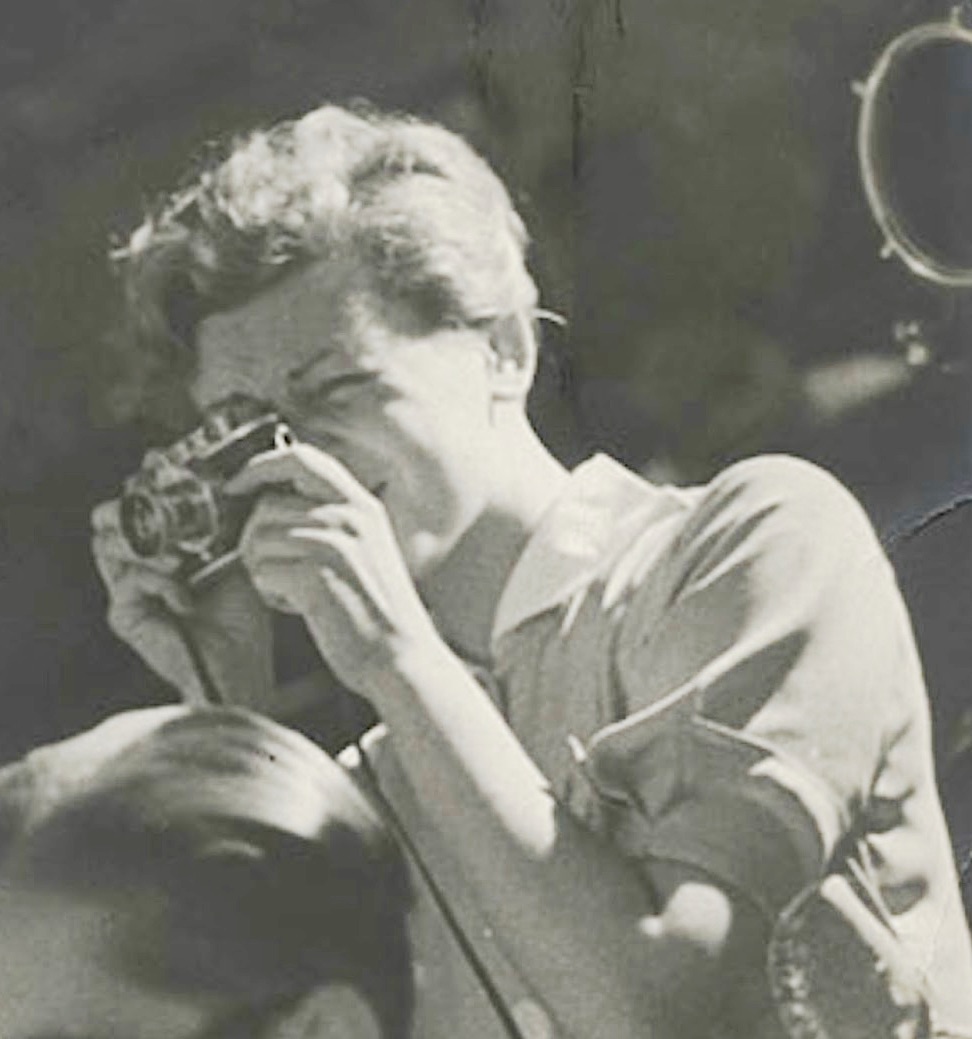
The Spanish Civil War was not only fought with rifles, artillery, and aircraft across the Iberian Peninsula; it was waged simultaneously on a global battlefield of public perception through an unprecedented and sophisticated campaign of propaganda. This conflict is frequently cited as the first “media war” of the modern age, a characterization that acknowledges the conscious, industrialized use of mass communication technologies—newsreels, radio, photojournalism, and the illustrated press—to shape narratives, mobilize international opinion, and legitimize intervention. While the technologies themselves were not entirely novel, their systematic and centralized deployment by all belligerents, aimed at both domestic and foreign audiences, represented…
-

Within the field of debate of the Spanish Civil War, few subjects have been as powerfully mythologized, and as consequentially debated, as the International Brigades. Composed of foreign volunteers who fought for the Spanish Republic, they have been immortalized as the embodiment of selfless anti-fascist solidarity—a global citizen-army answering the call of democracy in its hour of need. This romantic narrative, forged in the propaganda of the Popular Front and perpetuated in countless memoirs, films, and political hagiographies, contains elements of profound truth regarding individual motive and sacrifice. Yet, it obscures a far more complex and contentious reality. Image credit:…
-

Within the international history of the Spanish Civil War, the interventions of Nazi Germany, Fascist Italy, and the Soviet Union dominate the analytical landscape, their actions fitting neatly into paradigms of ideological proxy conflict and great power maneuvering. The role of Mexico, however, presents a critical and clarifying anomaly. Unlike the major powers, the government of Lázaro Cárdenas (1934-1940) extended to the Spanish Republic not merely aid, but unqualified diplomatic recognition, material support, and ultimately, sanctuary.