-

The image now known as “Rosie the Riveter” emerged from a Westinghouse plant in Pennsylvania during World War II, but was never intended for women or as a wartime recruitment poster. Initially designed for an internal campaign, its forgotten status contrasts sharply with the feminist icon it became decades later.
-

In 1973, the Whitlam government ushered in groundbreaking reforms, propelled by relentless advocacy from the women’s liberation movement. With policies like equal pay and women’s refuges, they reshaped the nation’s stance on gender equality.
-

From courtroom battles to grassroots activism, the women’s liberation movement permanently altered Australia’s perception of power and equality.
-
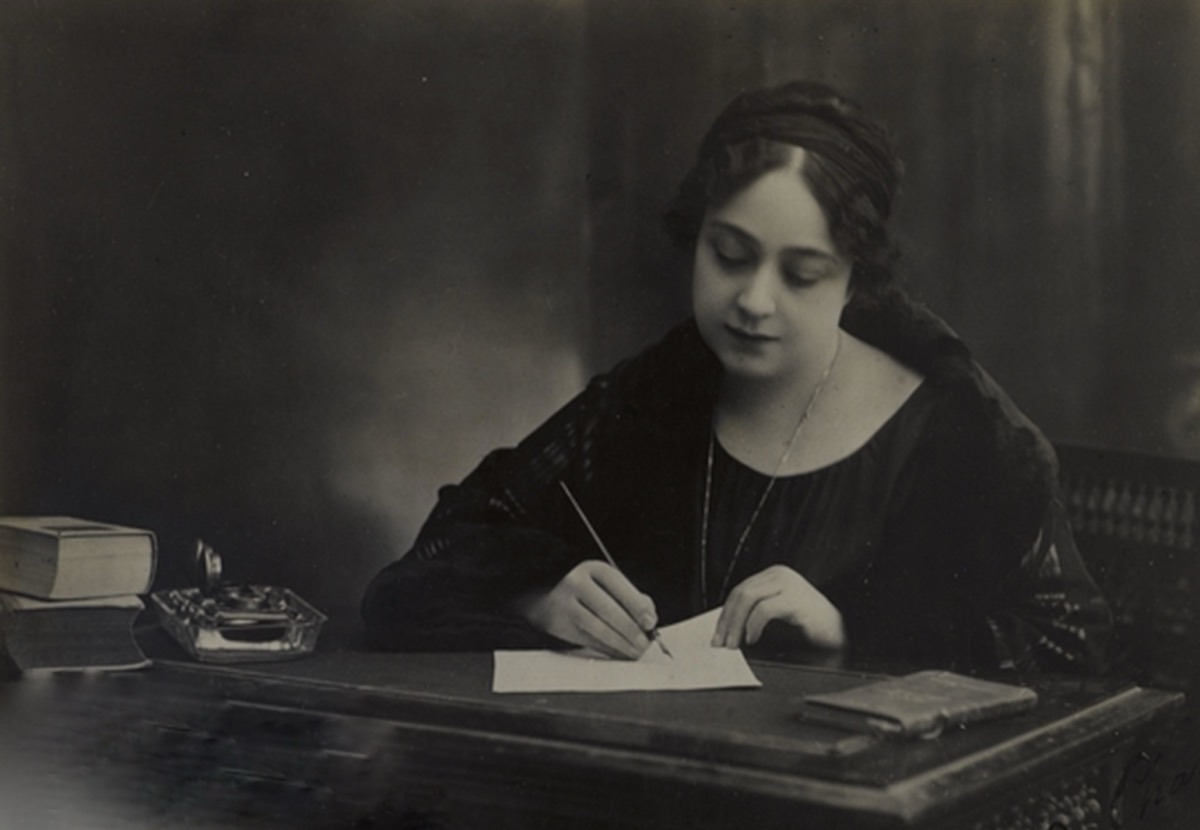
In 1923, Huda Shaarawi’s bold act of removing her veil became a symbol of Egyptian women’s modern awakening and their pivotal role in Egypt’s struggle for independence. This revolutionary gesture marked the start of a new era for women’s rights intertwined with nationalist movements.
-

This article examines the figure of the Neue Frau (New Woman) as the most potent and contested symbol of Weimar Germany’s turbulent encounter with modernity. It argues that this archetype—defined by her economic independence, androgynous fashion, and sexual agency—represented not merely a German version of the American flapper, but a profound social phenomenon that triggered a fundamental crisis in traditional gender relations. Through an integrated analysis of employment statistics, fashion journalism, cinematic representation, and political discourse, this article demonstrates how the Neue Frau emerged at the intersection of economic necessity, technological change, and postwar social liberalization. It further explores the…
-
The historiography of Ghana’s independence has traditionally centered on the political maneuvers of male leaders, the ideological frameworks of parties like the Convention People’s Party (CPP), and the diplomatic tensions with the British colonial government. This narrative, while crucial, presents an incomplete picture. The successful mobilization that forced colonial retreat was not solely a top-down phenomenon; it was equally a grassroots uprising, and its most effective and enduring agents were often women. From the coastal markets of Accra to the cocoa farms of the Ashanti region, women provided the movement with its organizational backbone, its economic sustenance, and much of…
-
The story of Valentina Ramírez Avitia (1893-1979) has been told and retold in ways that reveal more about contemporary desires for revolutionary heroines than about the actual experiences of women who fought in the Mexican Revolution. Known as “La Valentina” and more recently as “the Mexican Mulan,” Ramírez has been commemorated in corridos, films, and even a popular hot sauce brand. Yet the romanticized narratives that celebrate her brief military service obscure a far more troubling story: that of a woman who served her country for five months, was summarily dismissed when her gender was discovered, and spent the remaining…
-
In the diverse coalition of forces that constituted the Mexican Revolution, the Zapatista movement, rooted in the agrarian communities of Morelos, is often perceived as a distinctly rural and peasant-led phenomenon. However, the intellectual and strategic direction of the Zapatistas was significantly shaped by urban intellectuals who were drawn to the cause. Among the most influential of these figures was Dolores Jiménez y Muro (1848-1925), a socialist-feminist, teacher, and poet who, at the age of 63, became a key strategist and military commander within the Liberation Army of the South. Her career demonstrates the crucial role of radical intellectuals in…
-
While the military conflicts of the Mexican Revolution (1910-1920) are well-documented, the concurrent intellectual and ideological battles, particularly those concerning the role of women in the new Mexican state, were equally transformative. Central to this ideological struggle was Hermila Galindo Acosta (1886-1954), a political strategist, writer, and radical feminist whose work fundamentally shaped the discourse on women’s rights. Through her influential journal, La Mujer Moderna, and her direct engagement with the Constitutionalist government, Galindo advanced a feminist agenda that was often decades ahead of its time, positioning her as a pivotal, if controversial, figure in the broader history of women…
-
This article conducts a comparative analysis of two iconic female figures of the 1920s—the white Flapper and the Black New Negro Woman. It argues that these archetypes represented divergent, often conflicting, responses to the crises and opportunities of modern American womanhood, shaped by the distinct political and social imperatives of their racial groups. While the Flapper has been mythologized as the quintessential symbol of female liberation through consumerism, sexual expressiveness, and hedonistic rebellion, the New Negro Woman was constructed as a figure of racial uplift through education, moral rectitude, and political advocacy. This article deconstructs these archetypes through an intersectional…