-
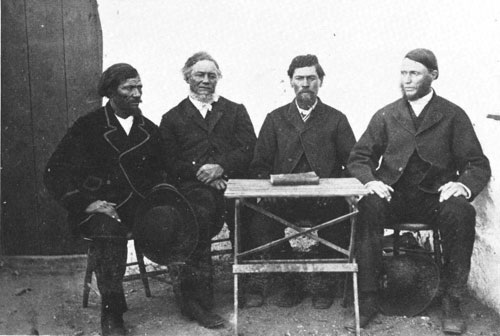
In Susan Pedersen’s book *The Guardians*, the colonial mandate system is explored as a mechanism through which colonized peoples claimed nations’ rights. The narrative reveals how these systems were tools for colonial powers to legitimize territorial claims, yet they were viewed by colonized populations as betrayals of promised self-determination. This complex legacy highlights the contradictions at the heart of post-war governance.
-
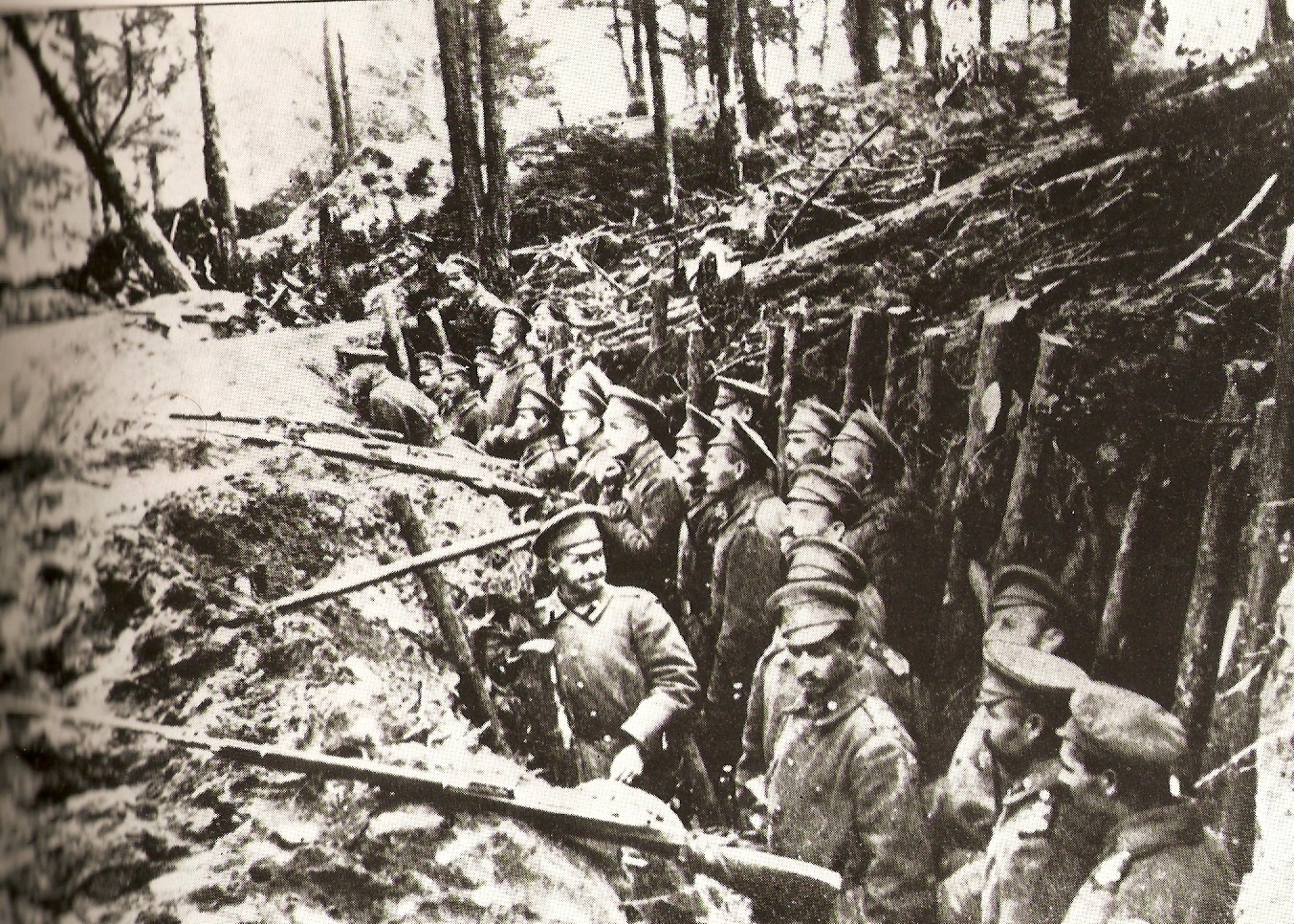
The Ottoman Third Army’s disastrous winter offensive at Sarikamish in 1914 highlighted the brutal realities of the First World War, with 60,000 to 80,000 casualties from harsh conditions. This pivotal battle set the stage for the complex ethnic conflicts that reshaped the Caucasus region.
-

The Mesopotamian campaign, often overshadowed by Gallipoli and the Western Front, marked a turning point for both empires. For Britain, it was a catastrophic failure, while the Ottomans capitalized on familiar ground, showcasing their strategic prowess.
-

The Ottoman Empire’s bold but ultimately failed assault on the Suez Canal in 1915 revealed the harsh realities of war and exposed its strategic vulnerabilities. This early military operation sought to sever British communications and incite an uprising but highlighted the fragile nature of Ottoman military planning.
-

The looming showdown between the U.S. and Iran is shaping up to be a modern-day Battle of Tsushima, where a decisive defeat could unravel the very fabric of American power and prosperity. As ground troops are deployed, the specter of a catastrophic military failure looms large, threatening to ignite a seismic political crisis that could reshape global dynamics.
-
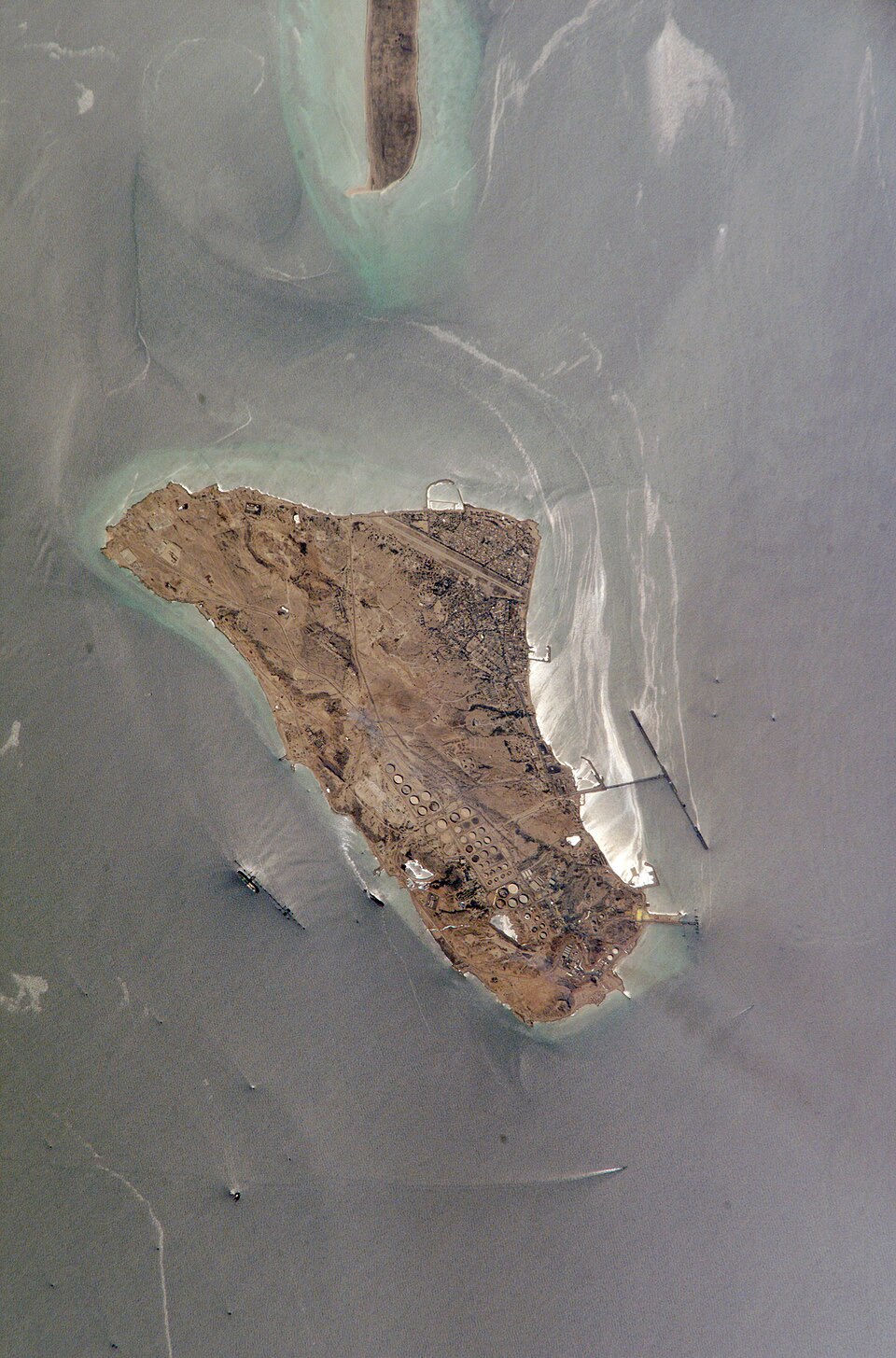
Kharg Island, a strategic coral outcrop off Iran’s western coast, plays a pivotal role in Iran’s oil exports, handling 90% of crude oil exports. Seizing it could economically cripple Iran without American troops needing to land. However, history warns against such bold moves—Gallipoli and Dien Bien Phu show the perils of holding fortified positions against asymmetric warfare.
-

The Question of Naming History has a way of naming things only after they have concluded. We look back at 1914 and 1939 as definitive starting points, but as we discuss in the latest Explaining History podcast, those living through the current conflagrations in Ukraine, Gaza, Iran, and Venezuela are left wondering: are we already in the midst of a global conflict? And if so, at what point do we give it a name? The historian Richard Overy, in his seminal work Blood and Ruins, suggests that the two World Wars might be viewed as a single, continuous struggle of…
-
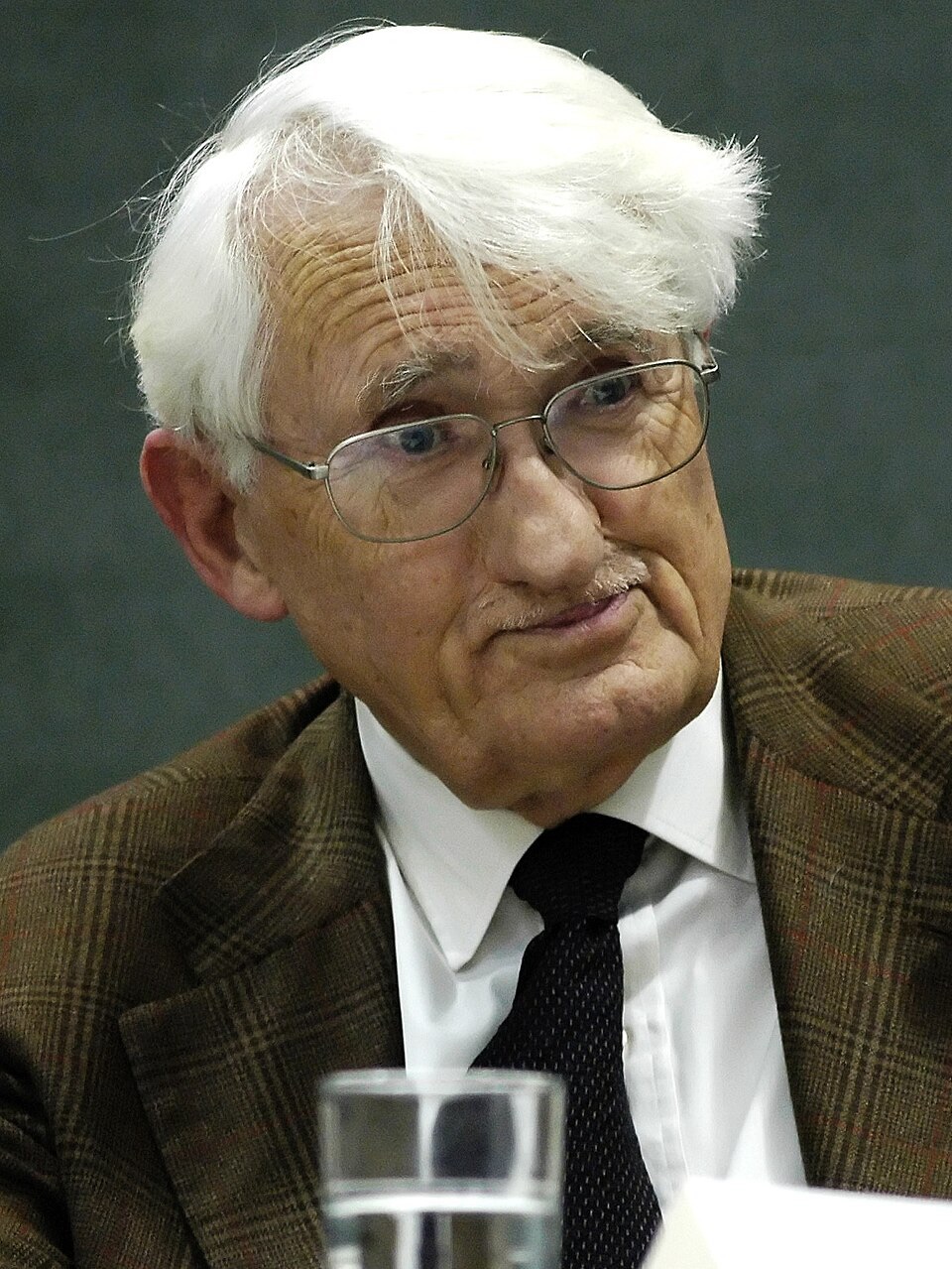
Jürgen Habermas, a towering figure in 20th-century philosophy, explored democracy’s essence, emphasizing reasoned discourse over coercion. Born in Düsseldorf, his life’s challenges shaped his views on communication and societal governance.
-
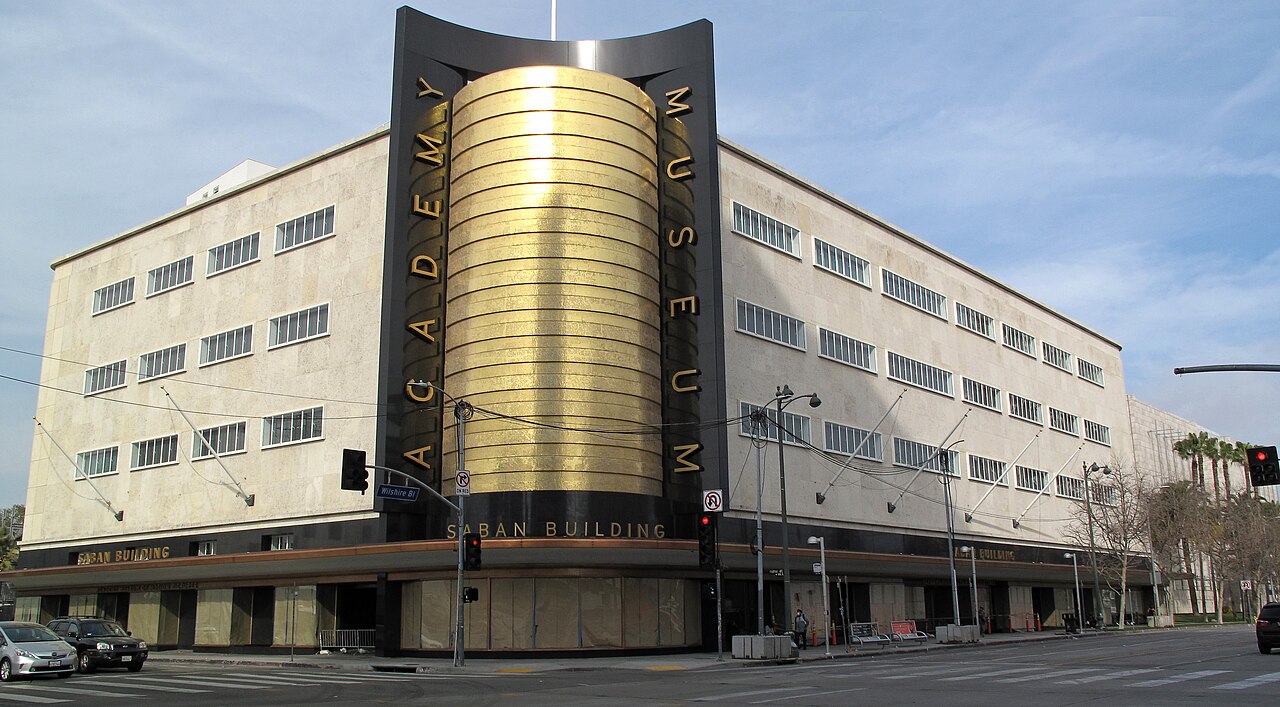
Monica Sandler, a film historian at Ball State University, is completing her book, *The Oscar Industry*, focusing on the Oscars’ cultural significance. She discusses how the awards highlight artistic value within American culture, their historical ties to race and industry politics, and the impact of movements like #OscarsSoWhite and #MeToo.
-

The Great Depression, far from being an American crisis, was a global catastrophe that affected every continent and economy between 1929 and 1932. As world trade plummeted by 66% and industrial production collapsed worldwide, unemployment soared catastrophically from Germany to Japan. This interconnected economic collapse was exacerbated by protectionist policies and competitive devaluations, reflecting the fragile international monetary system built on gold.