-
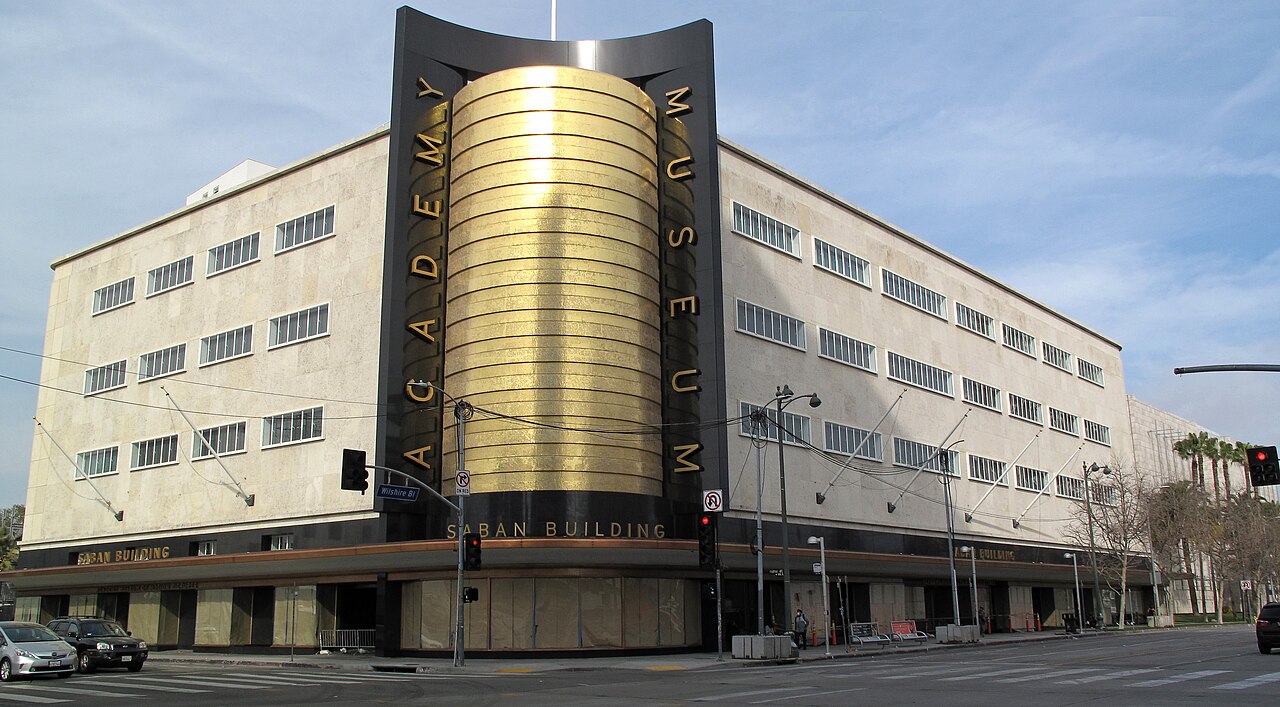
Monica Sandler, a film historian at Ball State University, is completing her book, *The Oscar Industry*, focusing on the Oscars’ cultural significance. She discusses how the awards highlight artistic value within American culture, their historical ties to race and industry politics, and the impact of movements like #OscarsSoWhite and #MeToo.
-

Experience the transformation of Australian culture from a nation confined by British influence to one bold enough to define itself through iconic music like AC/DC. Discover how Nevil Shute’s ‘On the Beach’ foresaw a nation on the brink, while AC/DC’s debut roared to life, challenging the world to recognize Australia’s unique voice.
-

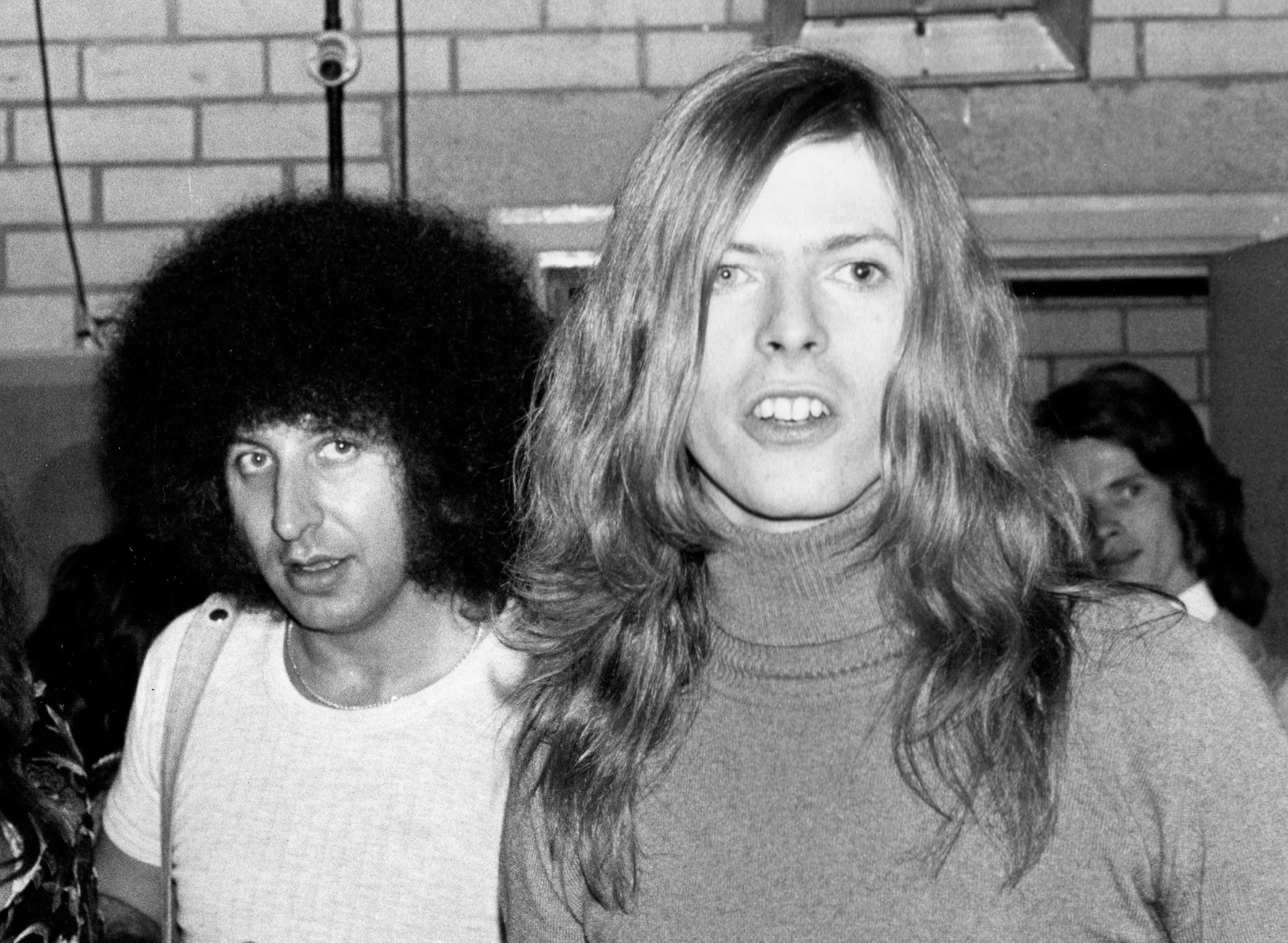
It has been ten years since David Bowie died, leaving behind a final album, Blackstar, that felt less like a goodbye and more like a riddle. In the decade since, the industry of “Bowieology” has only accelerated, with exhibitions, documentaries, and archives attempting to pin down the man who made a career out of being unpinnable. In this week’s podcast, I sat down with author Alexander Larman to discuss his new book, Lazarus. Unlike the countless cradle-to-grave biographies that fixate on the glam rock explosion of the 1970s, Larman focuses on the second half of Bowie’s life—a period often dismissed as a…
-

This article examines the Cotton Club, Harlem’s most notorious Prohibition-era nightclub, as a critical nexus of racial fantasy and cultural innovation in Jazz Age America. It argues that the club functioned as a hegemonic institution where white ownership meticulously crafted an exoticized “jungle” aesthetic for a wealthy, whites-only clientele, effectively commodifying Black bodies and artistry within a framework of primitivist desire. However, far from being a mere site of oppression, the club also became an unlikely incubator for Black musical excellence. Through a tripartite analysis of the club’s ownership and theming, the compositional strategies of Duke Ellington, and the politics…
-
British song writers in the 1960s rarely ventured into the realm of politics and protest, unlike their American counterparts. The Who’s My Generation had little to say about politics and was simply a statement about the aspirations and interests of the baby boomers. John Lennon had gravitated towards politics from 1968’s Revolution onwards and in 1969, following his marriage to Yoko Ono, staged a ‘Bed-In’ in Amsterdam and then Montreal. It was during the latter that he recorded Give Peace A Chance, with LSD proponent Timothy Leary, a local group of Hare Krishnas and at least one Rabbi. John Lennon’s…