-

The internet was built by the American military to survive a nuclear war. It became the infrastructure of global commerce, the primary means by which most of the world’s population communicates, and the most powerful surveillance apparatus in human history. None of these outcomes were planned. All of them followed, with a logic that seems almost inevitable in retrospect, from decisions made without any clear sense of what they would produce.
-
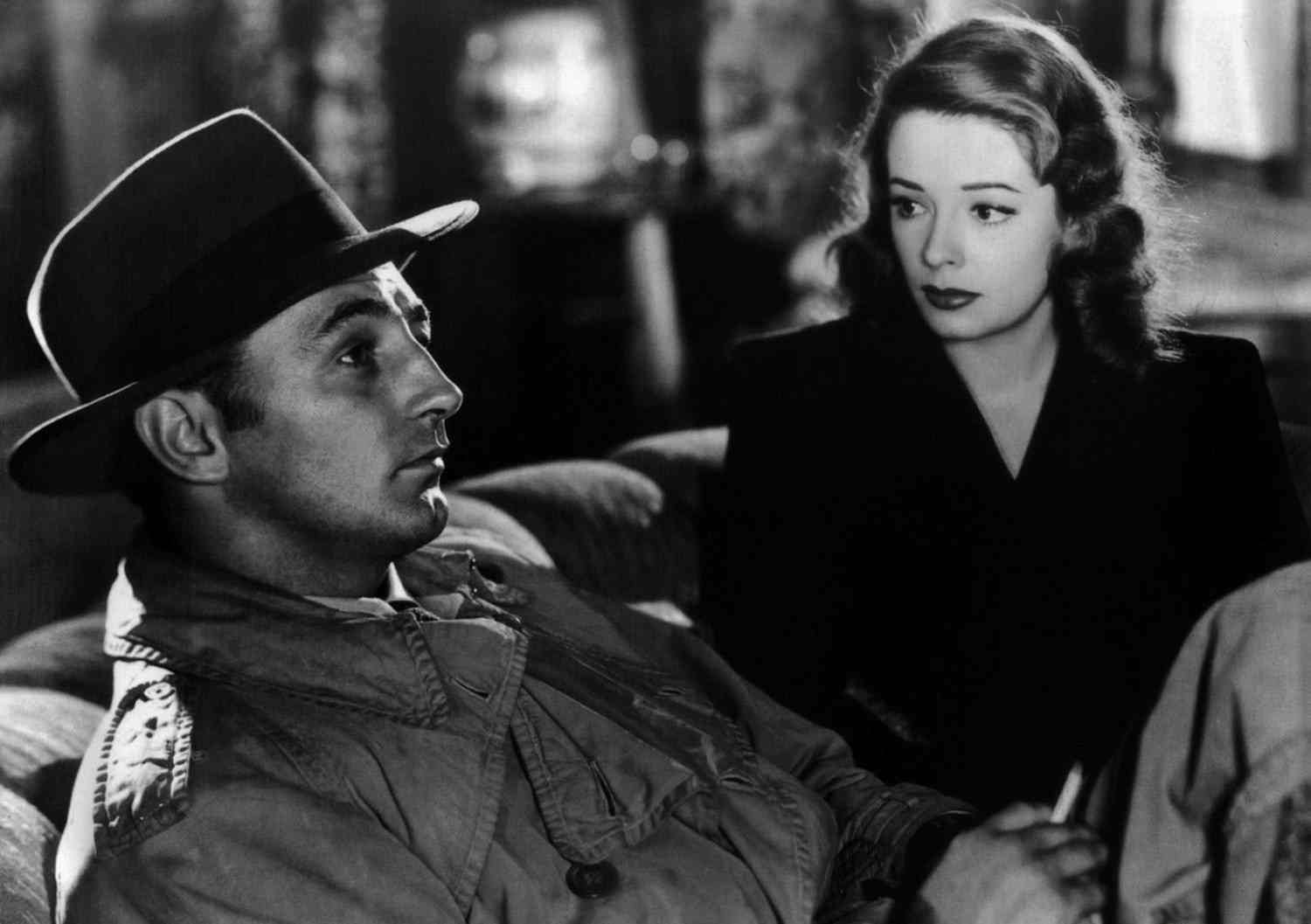
Cinema was the twentieth century’s own art form — the only major artistic medium to be invented after industrialisation and before the digital age. No other form matched its combination of mass reach, emotional immediacy, and technical complexity, and no other was so thoroughly shaped by the specific conditions of the century that produced it.
-
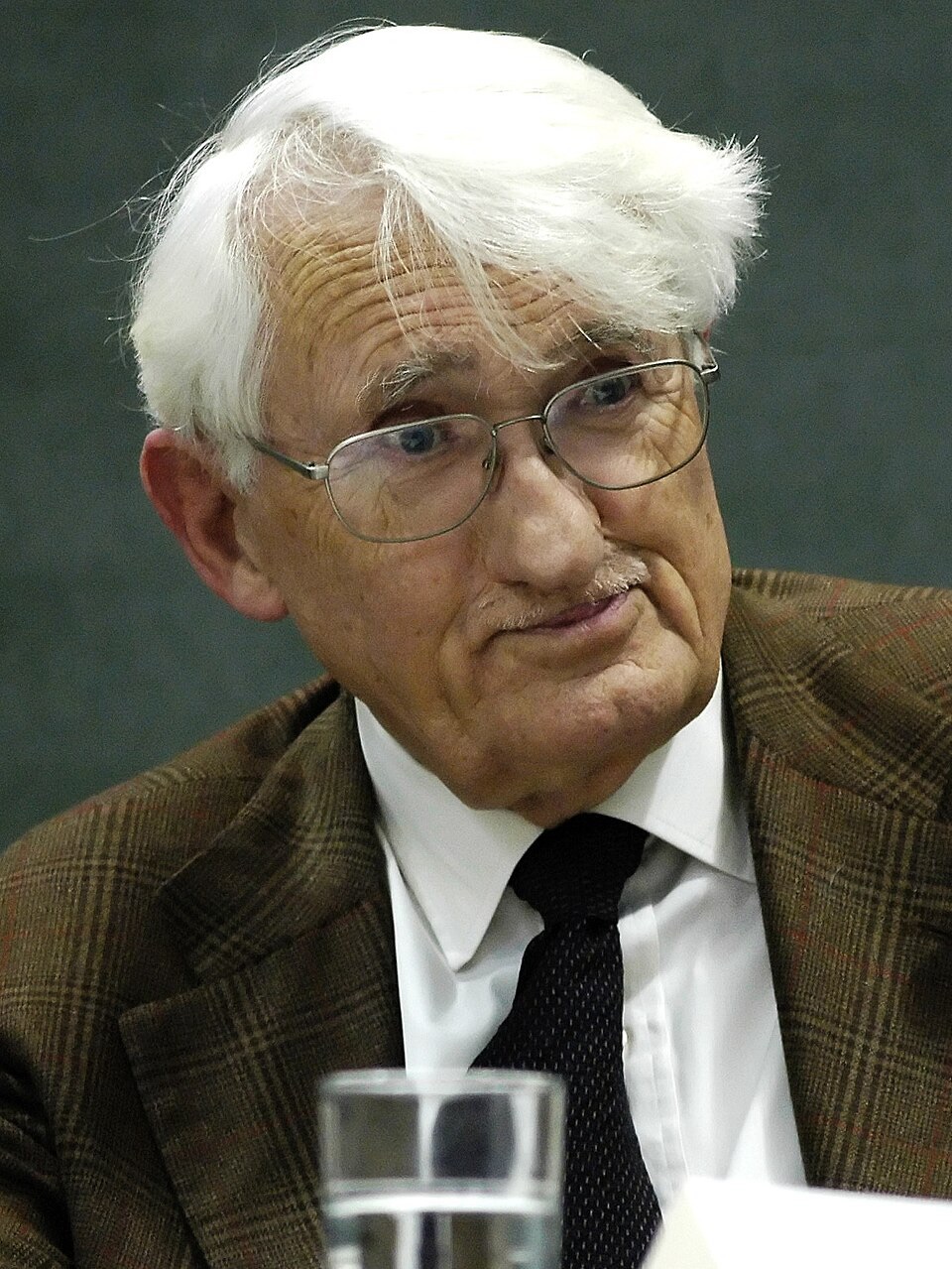
Jürgen Habermas, a towering figure in 20th-century philosophy, explored democracy’s essence, emphasizing reasoned discourse over coercion. Born in Düsseldorf, his life’s challenges shaped his views on communication and societal governance.
-
Introduction The narrative of British modernism has long been dominated by the spectral presence of the Bloomsbury Group. The intellectual geography of the early twentieth century is frequently mapped around the squares of WC1, defined by the stream-of-consciousness experiments of Virginia Woolf, the formalist aesthetics of Roger Fry, and the intimate ethical philosophy of G.E. Moore. This version of modernism is interior, domestic, and fiercely individualistic. It is a modernism of the drawing room and the private mind. However, as the jazz age of the 1920s gave way to the “low, dishonest decade” of the 1930s, the trajectory of British…
-
Introduction Virginia Woolf is frequently remembered through a haze of sepia-toned fragility: the doomed genius, the ethereal invalid, the woman who walked into the River Ouse. This romanticized image, while tragic, obscures the steely, practical reality of her life as a working professional. Woolf was not merely a passive vessel for the stream of consciousness; she was a relentless experimenter, a shrewd publisher, and a materialist thinker who understood that the soaring heights of art are built upon the solid foundations of economics. To understand Virginia Woolf’s contribution to the twentieth century is to understand a complex triangulation between gender,…
-
Introduction In the cultural imagination of the twentieth century, few entities loom as large, or as ambiguously, as the Bloomsbury Group. Often reduced in popular caricature to a collection of “couples who lived in squares and loved in triangles,” the group was, in reality, a complex intellectual powerhouse that fundamentally altered the trajectory of British modernism. They were a loose collective of friends, lovers, artists, and writers who congregated in the Bloomsbury district of London during the first half of the twentieth century, united not by a manifesto or a formal constitution, but by a shared rejection of Victorian distinctiveness…
-
The Unfinished Project of Enlightenment: The Frankfurt School’s Critical Theory in Weimar’s Twilight
Abstract: This article examines the emergence of the Frankfurt Institute for Social Research (1923-1933) as the most sophisticated theoretical response to the crises of Weimar Germany, arguing that the early Frankfurt School developed “Critical Theory” as both a diagnosis of civilizational collapse and a desperate attempt to rescue the emancipatory potential of modernity from its own self-destructive tendencies. Through analysis of the Institute’s foundational texts, interdisciplinary methodology, and key figures—particularly Max Horkheimer, Theodor Adorno, Herbert Marcuse, and Walter Benjamin—this article demonstrates how their unique synthesis of Marx, Freud, and Weber generated a radical critique of both capitalism and Soviet communism…
-
This article examines the powerful conservative and völkisch (ethno-nationalist) currents that developed in opposition to Weimar Germany’s cosmopolitan modernity, arguing that this “Other Germany” constituted not merely a political opposition but a comprehensive counter-culture with its own distinct aesthetics, intellectual traditions, and social practices. It demonstrates how the “conservative revolution”—a term describing thinkers who sought revolutionary means for reactionary ends—provided the ideological underpinnings for the rejection of parliamentary democracy, liberalism, and the perceived cultural decay of urban civilization. Through analysis of philosophical texts, youth movements, veteran organizations, and popular literature, this article traces how figures like Oswald Spengler, Ernst Jünger,…
-
Kwame Nkrumah is often remembered in two dimensions: as the charismatic politician who led Ghana to independence and as the authoritarian president whose government was overthrown by a coup. Between these two points lies a third, more complex figure: Kwame Nkrumah the political philosopher. He was one of the most prolific writer-theorists among the first generation of post-colonial African leaders, producing a body of work that sought not only to explain the world but to radically change it. His ideology was not a static doctrine but an evolving synthesis, a ambitious and often fraught attempt to weave together strands of…
-
For millions around the globe, yoga is the embodiment of peace, wellness, and mindful living. It’s a multi-billion dollar industry built on an image of spiritual serenity and physical health. But what if the origins of the modern yoga we practice in gyms and studios are not as pure as we believe? What if its history is entangled with Western occultism, British fascism, and a racial ideology that would feel right at home in the Third Reich? In a fascinating episode of the Explaining History podcast, author and cultural historian Stuart Holm delves into the “murkier origins” of the global yoga phenomenon,…