-
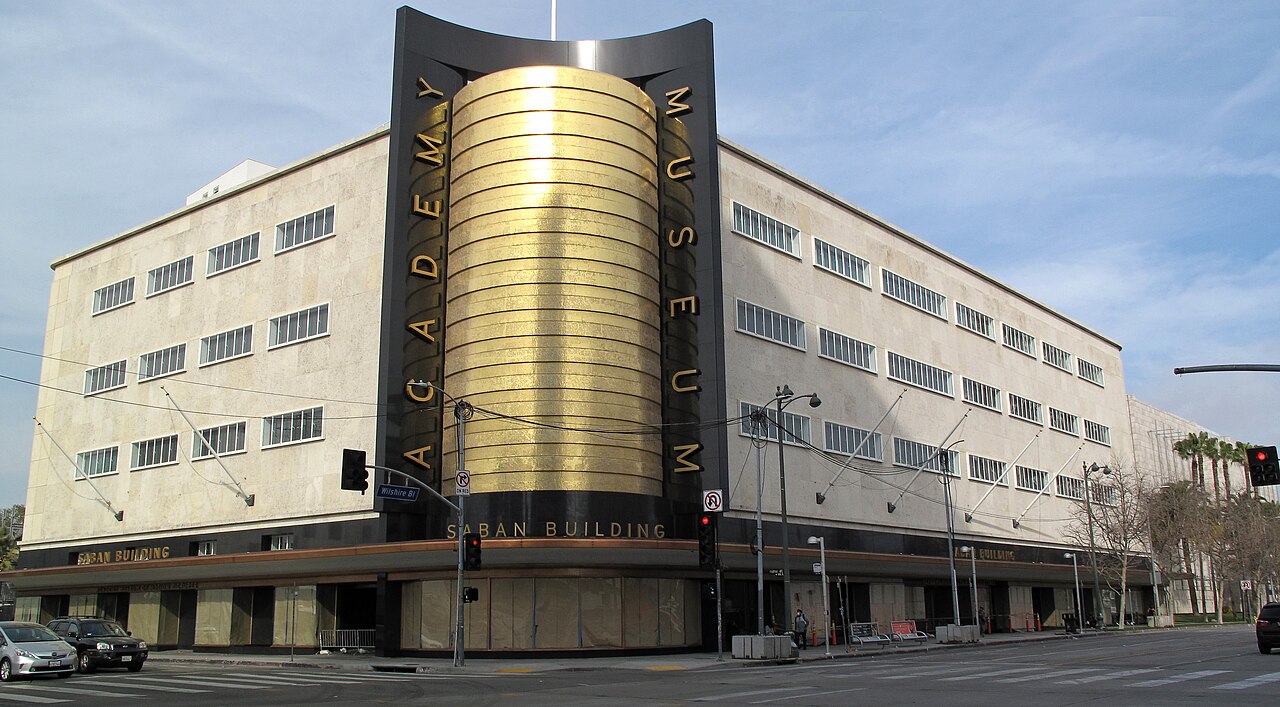
Monica Sandler, a film historian at Ball State University, is completing her book, *The Oscar Industry*, focusing on the Oscars’ cultural significance. She discusses how the awards highlight artistic value within American culture, their historical ties to race and industry politics, and the impact of movements like #OscarsSoWhite and #MeToo.
-

The 20th century was defined by competing visions of utopia. While the Soviet Union promised a worker’s paradise achieved through struggle and sacrifice, the United States offered a different kind of salvation: the suburb. In this week’s podcast, I explored the fascinating history of this American dream using Lizabeth Cohen’s seminal book, A Consumer’s Republic. The thesis is compelling: post-war suburbia wasn’t just a collection of houses; it was a political project designed to channel democratic energy into consumption.
-

When we look back at the American mid-century—that chrome-plated, neon-lit era stretching roughly from 1945 to 1973—we are often confronted with a cultural memory that feels less like history and more like folklore. It is the America of The Wonder Years and Fred Flintstone: a place where a blue-collar worker with a high school education could own a detached suburban home, drive a new car every three years, and support a family on a single income. In the popular imagination, this was the era where class conflict went to die. It was the moment when the proletariat seemingly dissolved into a vast, amorphous…
-
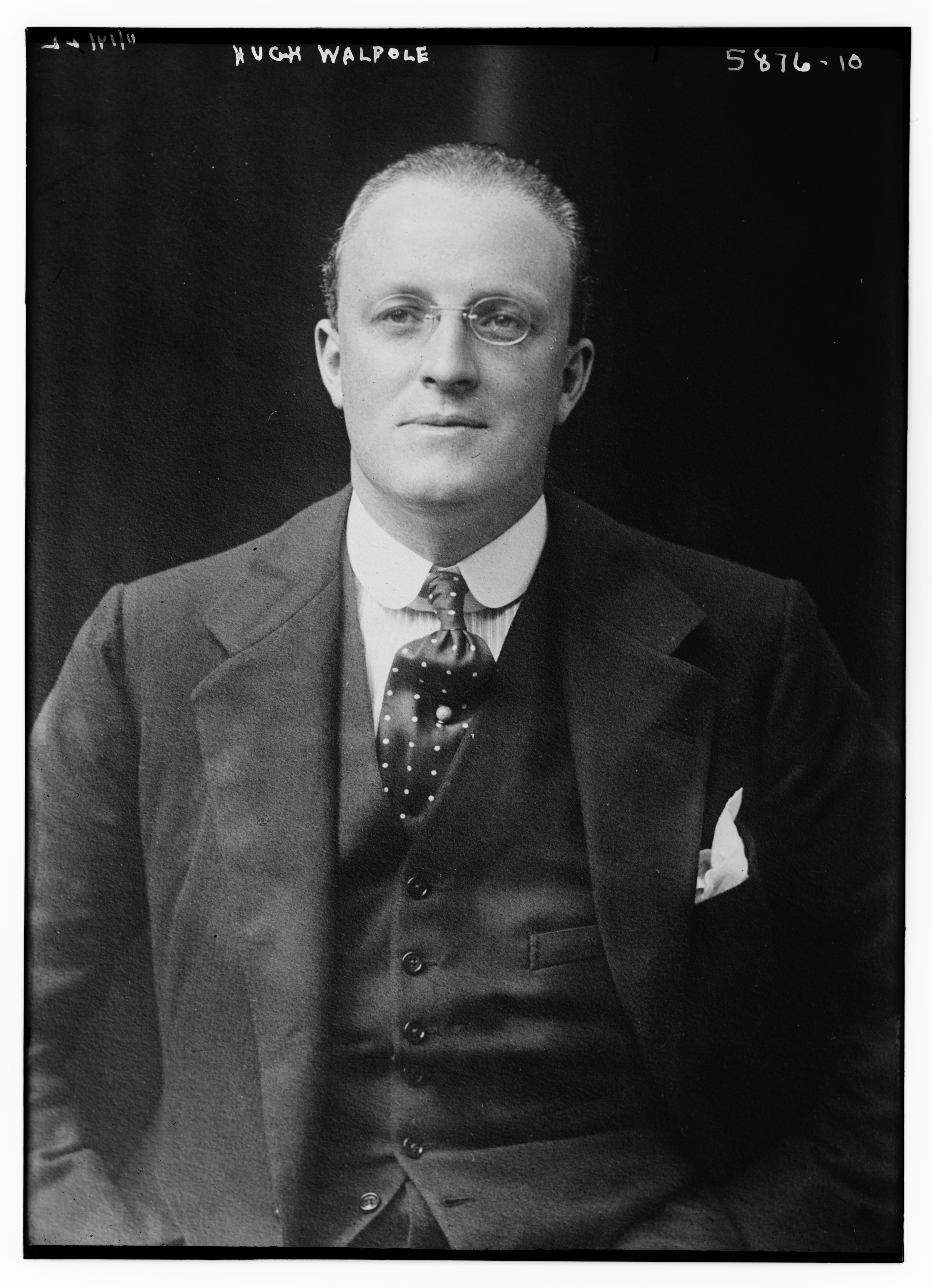
In an age of Amazon recommendations and #BookTok, it is hard to imagine a time when discovering a new book was a curated, communal experience guided by a panel of experts. Yet, for much of the mid-20th century, that is exactly what the Book Society provided for thousands of readers across Britain and its empire.
-

In this episode of Explaining History, we dive into the fascinating world of David Bowie’s 1960s—a decade of shifting cultural currents, personal reinvention, and the search for identity that would shape one of the most iconic artists of the 20th century.Drawing on Neil Stephenson’s insightful book David Bowie, we explore how the social upheavals of the 60s—from Swinging London and Mod culture to the countercultural movements and sexual liberation—created a crucible in which Bowie experimented w
-
In the first episode of our exploration into “Roots and Culture” by Eddie Chambers, we delve into the history of Black Britain from 1948 to 1989. This period witnessed a profound shift in Britain’s cultural, social, and racial landscape, marked by the arrival of the Windrush Generation in 1948 and culminating with the end of the 1980s.In this episode, we navigate the complex tapestry of Black British history, charting the experiences, struggles, and triumphs of Black communities within Britain.
-
In this episode of Explaining History, we turn our focus from world events to a pivotal moment in pop culture history: the infamous legal battle between music superstar Elton John and the British tabloid, The Sun. Based on John Sweeney’s insightful feature, “The Sun and the Star,” from the “Faber Book of Pop” anthology, we unravel the intricate story behind one of the most high-profile libel cases of the 1980s.Our exploration takes us through the tumultuous relationship between the media and cel
-
During the interwar years Britain became a dramatically more democratic society, following the extension of the franchise in 1918 and 1928. British society began to change gradually with the challenges of modernity and mass democracy, but many traditional deferential values endured. Explaining History helps you understand the 20th Century through critical conversations and expert interviews. We connect the past to the present. If you enjoy the show, please subscribe and share.▸ Support the Show
-
In 1955, psychoanalyst Erich Fromm examined the emotional realities behind the lives of Americans experiencing unprecedented material wealth. His findings formed his book the Sane Society. It concluded that despite the advances in prosperity, modern society actually was far from sane and generated much emotional suffering and neurosis.Explaining History is funded through advertising and donations. For more content, journalism and ideas, visit the Explaining History Patreon page here: https://www