-

The Great Depression, far from being an American crisis, was a global catastrophe that affected every continent and economy between 1929 and 1932. As world trade plummeted by 66% and industrial production collapsed worldwide, unemployment soared catastrophically from Germany to Japan. This interconnected economic collapse was exacerbated by protectionist policies and competitive devaluations, reflecting the fragile international monetary system built on gold.
-
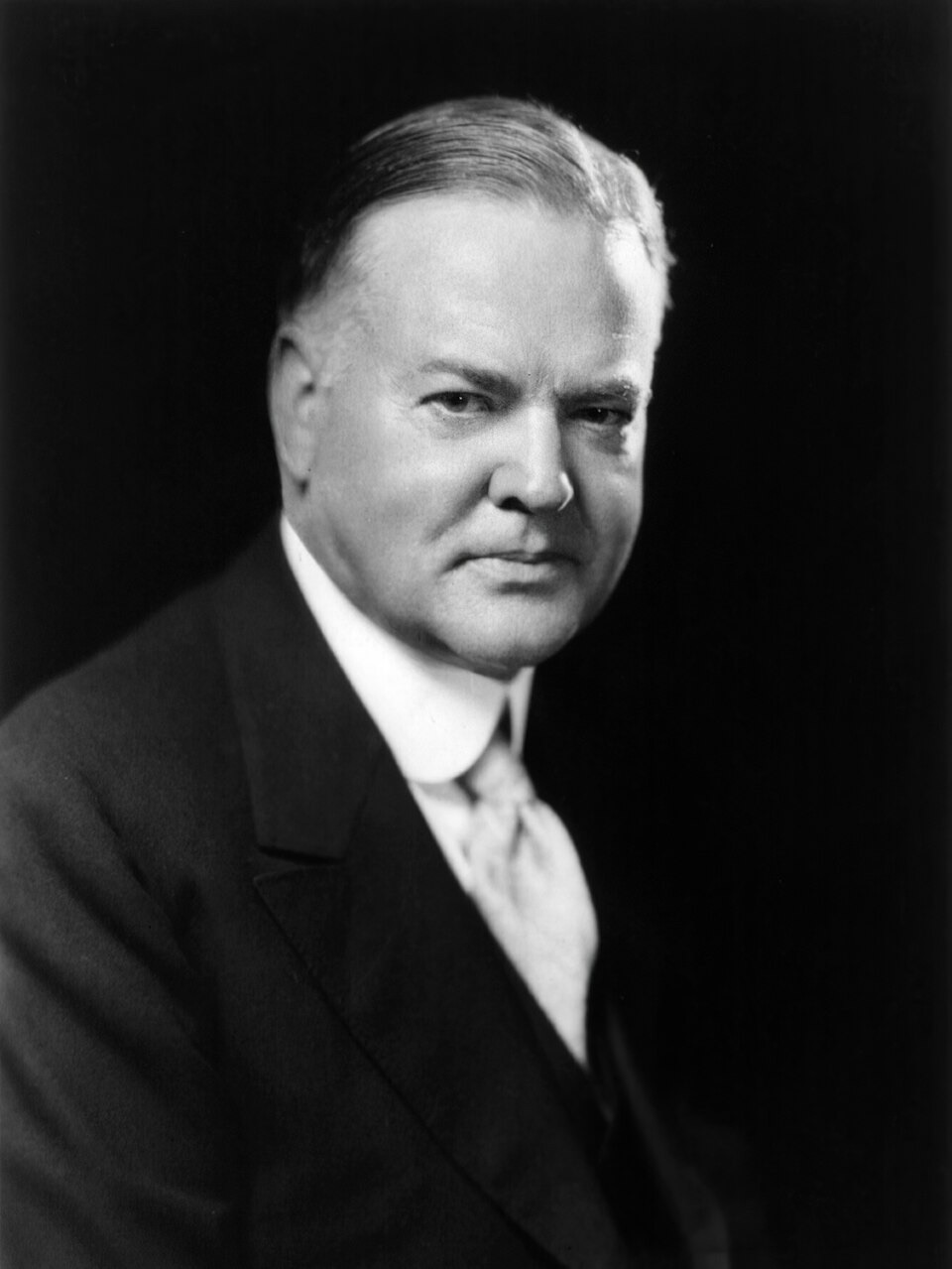
Herbert Hoover’s ascent to the presidency in 1929 was marked by his self-made status and endorsement as a man of energy and executive ability. However, his presidency faced a dramatic shift as the Great Depression unfolded, highlighting the limitations of his associationalist philosophy.
-
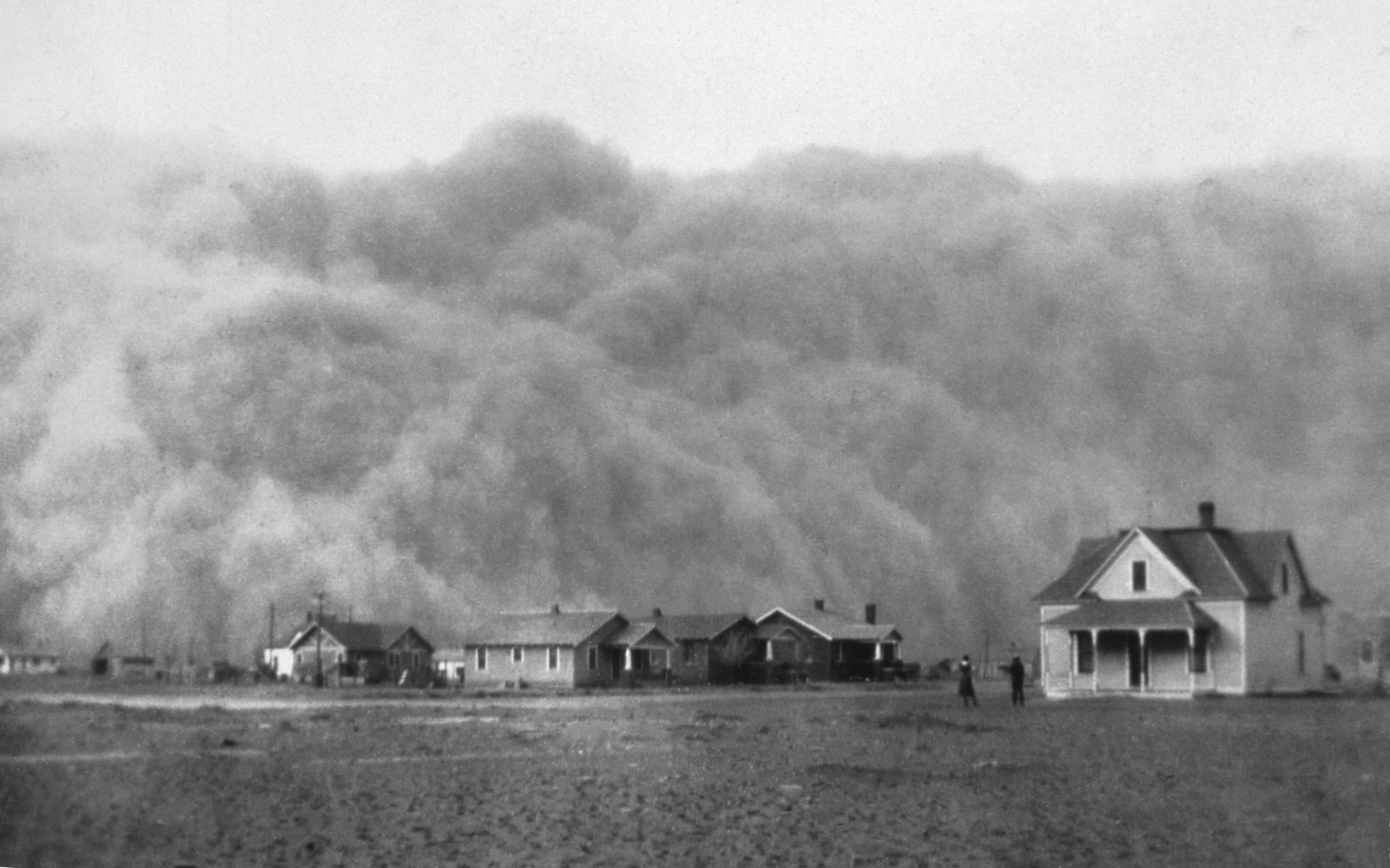
In the 1930s, Americans faced the Dust Bowl, a disaster wrought by capitalist agricultural expansion and federal land policies. This environmental catastrophe revealed profound social and economic vulnerabilities, deeply entwined with the Great Depression. Seen through the lens of radical political economics, the Dust Bowl highlighted capitalism’s systemic disruption of natural cycles, a manifestation of its inherent metabolic rift.
-
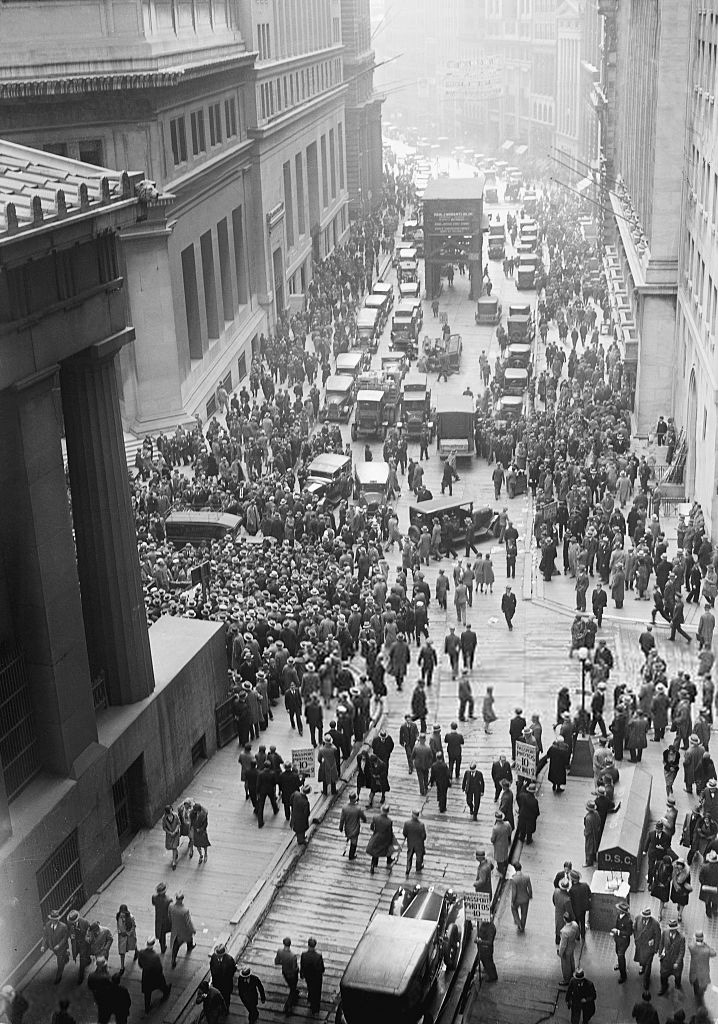
In 1929, the stock market crash marked a turning point in American history, unfolding as a dramatic five-day saga of panic and economic restructuring. Beyond its single-event narrative, this period reveals the deep-rooted vulnerabilities of 1920s capitalism.
-
Beyond its dramatic events, the Great Depression exposed capitalism’s inherent instability, with interconnected factors like banking panics and international crises transforming domestic issues into a worldwide catastrophe.
-
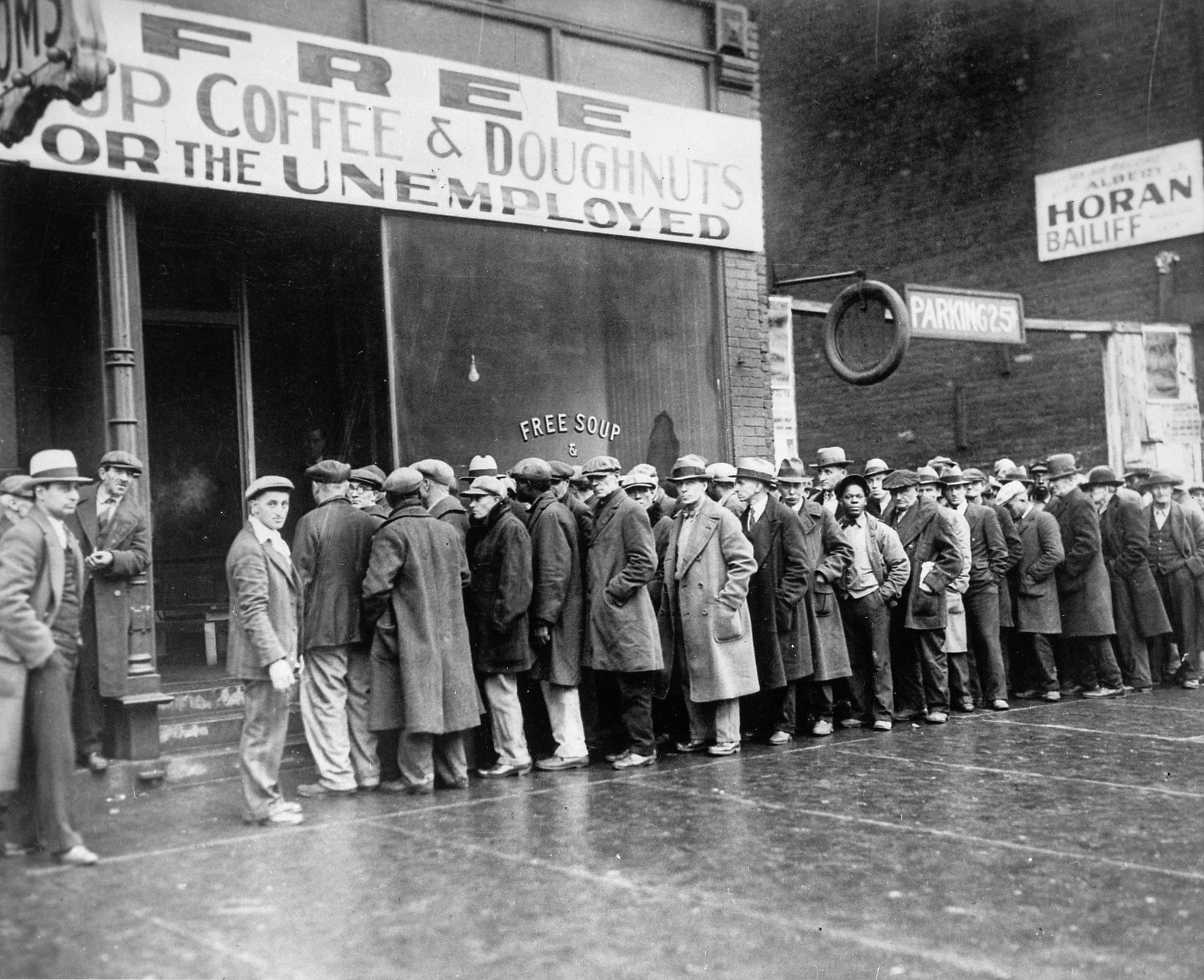
The Great Depression (1929–41) was the longest and deepest economic downturn in U.S. history. Franklin D. Roosevelt’s New Deal (1933–39) introduced sweeping relief, recovery, and reform programs, but historians and economists still debate whether these reforms ended the Depression, merely eased its worst effects, or even prolonged it. This article examines the evidence on key New Deal policies. We review relief programs for the unemployed (CCC, WPA, PWA), financial reforms (Glass–Steagall, FDIC, SEC), and massive federal spending, and we engage with historiographical and economic debates (Keynesian vs. monetarist). Finally, we consider the New Deal’s long-term structural legacy (labor rights, infrastructure,…
-

The Federal Reserve was founded in 1913 with the primary goal of stabilizing the banking system and providing an elastic currency. Under the Federal Reserve Act, the system comprised a Board in Washington and 12 regional Reserve Banks, each with its own president and directors. National banks were required to become members (purchasing stock in their Reserve Bank) and hold reserves there; state banks could join voluntarily . Member banks could obtain additional funds by borrowing at the “discount window” of their local Reserve Bank, pledging short-term commercial paper as collateral. This mechanism was intended to let the money supply…
-
The 1930s Great Depression was a cataclysmic economic crisis. By 1932–33 industrial output and trade had collapsed worldwide, unemployment soared (over 20% in the US at its peak) and thousands of banks failed. Traditional “classical” economics – with its faith in self-correcting markets and the gold standard – had offered no relief. In fact, economists like Barry Eichengreen argue that adherence to gold constrained policy response: central banks could not expand the money supply freely because they were bound by fixed exchange rates . Only when Britain finally abandoned gold in September 1931 did policy-makers feel freed. As Keynes himself…
-
Introduction The Great Depression of the 1930s was an economic cataclysm that struck virtually every industrialized nation. At its core was an unprecedented surge in unemployment, which not only devastated livelihoods but also shook the political and social foundations of countries around the world. This article provides a comparative analysis of unemployment during the Depression in the United States, United Kingdom, and Germany – three nations with vastly different experiences and responses. We will outline the scale and trajectory of joblessness from the 1929 crash through the mid-1930s, examine the social consequences (poverty, homelessness, migration, discontent) wrought by mass unemployment,…
-
The Smoot-Hawley Tariff Act of 1930 remains one of the most infamous trade policies in United States history. Enacted at the start of the Great Depression, this sweeping tariff hike raised U.S. import duties to record levels, aiming to shield American farmers and factories from foreign competition . Instead, it provoked a global trade war and is widely regarded as a grave policy misstep that exacerbated the worldwide economic collapse . In the decades since, Smoot-Hawley has become a byword for the perils of protectionism – a cautionary tale of how well-intended economic nationalism can spiral into retaliatory tariffs, collapsing…