-

The news from Caracas is still sketchy, but the picture emerging is one of unprecedented escalation. Apache gunships over the capital, explosions in the streets, and reports that President Nicolás Maduro has been abducted by US forces.
-

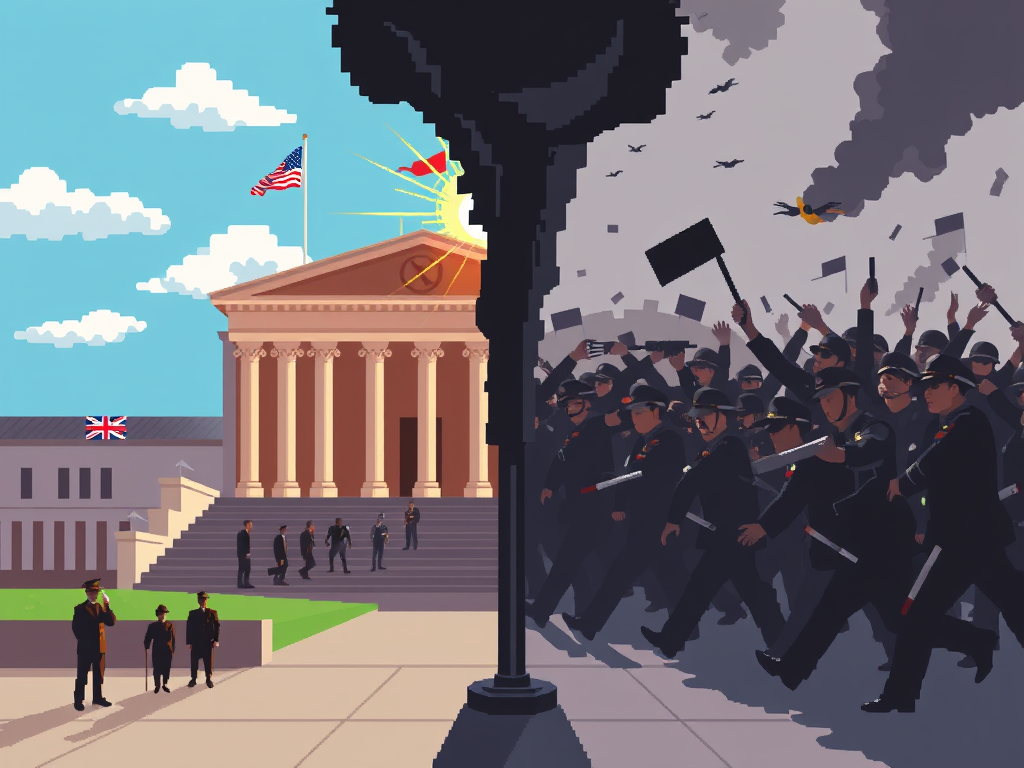
In this week’s podcast, I attempted to synthesize the current moment, drawing on the analysis of commentators like Robert Reich and looking at the deeper structural forces at play. We are witnessing a low-level civil war across the West, but it isn’t the traditional battle between socialism and capitalism. Instead, it is a conflict between two factions of capital itself.
-
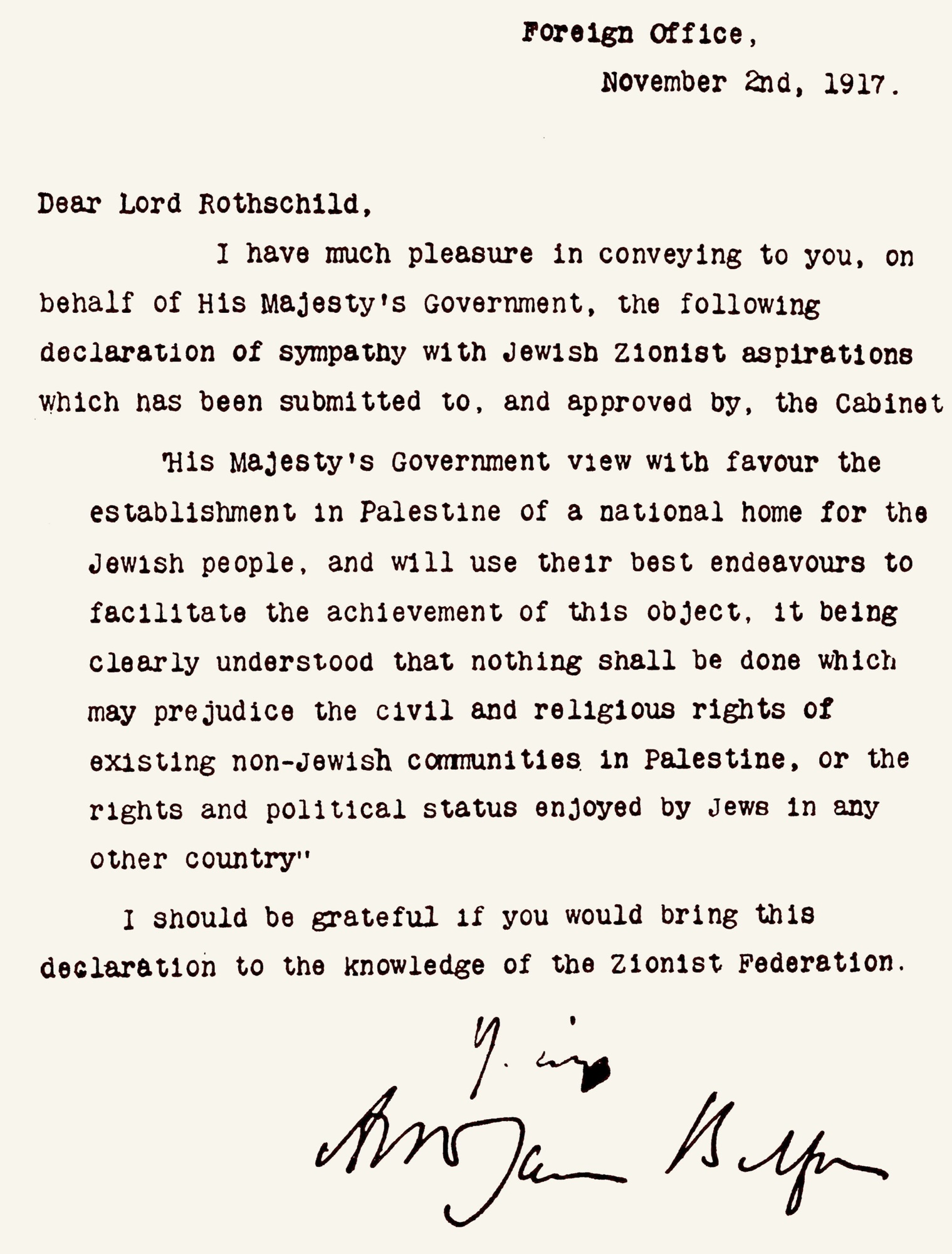
Introduction: The 67 Words That Redrew the Map On November 2, 1917, the British Foreign Secretary, Arthur Balfour, dispatched a private letter to Lord Rothschild, a figurehead of the British Jewish community, for transmission to the Zionist Federation. The text contained within the letter was brief—comprising a mere 67 words of operative policy—but its implications were instrumental in dismantling the geopolitical framework established by the Sykes-Picot Agreement just a year and a half prior. The declaration stated that the British government viewed with favor “the establishment in Palestine of a national home for the Jewish people.” In popular historiography, this…
-

If the 1970 election was the moment a nation voted almost unanimously for autonomy if not independence, then the military operation that began on the night of March 25, 1971, was the moment that aspiration was met with unimaginable violence. Codenamed Operation Searchlight, this was not a spontaneous outburst of conflict but a meticulously planned and brutally executed military crackdown designed to systematically dismantle the Bengali nationalist movement. Its aim was simple, chilling, and ultimately catastrophic: to terrorize the population, eliminate the political and intellectual leadership of East Pakistan, and crush the spirit of independence in a single, decisive blow.…
-

The dramatic narrative of the Space Race is often told through its spectacular successes and failures: Sputnik’s beep, Gagarin’s orbit, the Apollo 11 landing. Yet, behind these milestones lay a deeper, more determinative struggle—a clash of competing technopolitical cultures. This was not merely a contest of rockets, but a fundamental disagreement over how to organize knowledge, manage risk, and innovate under extreme pressure. On one side was the American model, often romanticized as the “Right Stuff”—a culture that, despite its hierarchical structure, tolerated public failure, celebrated individual initiative, and fostered a sometimes-chaotic meritocracy. On the other was the Soviet system,…
-
In the early hours of February 24, 1966, while Kwame Nkrumah was en route to Beijing on a self-appointed peace mission to end the Vietnam War, armored cars and troops from the Ghanaian army surrounded Flagstaff House in Accra. After a brief firefight with the President’s Own Guard Regiment, the soldiers secured the seat of government. By morning, the nation and the world learned that the government of Ghana’s first president had been overthrown in a military coup. The new regime, styling itself the National Liberation Council (NLC), immediately suspended the constitution, banned the Convention People’s Party (CPP), and released…