-
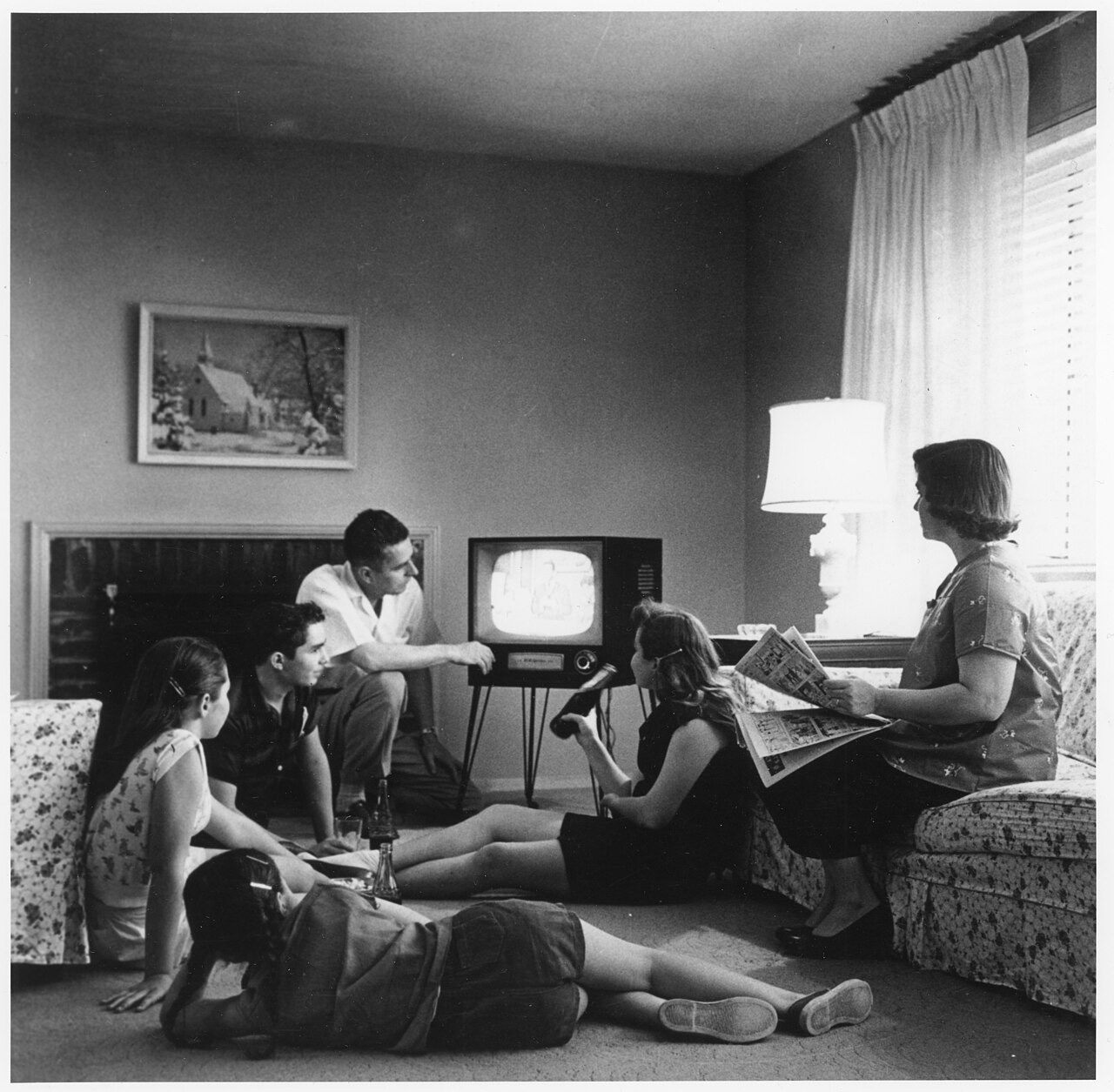
In the spring of 1939, the Radio Corporation of America unveiled a remarkable device at the New York World’s Fair. David Sarnoff, RCA’s imperious president, declared television the newest wonder of a wonder-making age. Families queued to peer into a cathode-ray screen where blurry figures moved against grey backgrounds, and the moment was recorded for posterity as the birth of an industry.
-

The Europe that emerged from the Second World War in 1945 was a continent of ruins — physical, moral, and institutional. How artists and filmmakers responded to that destruction, what they chose to show and what they could not bring themselves to face, tells us as much about the possibilities and limits of cultural reconstruction as any political history of the period.
-

When the United States entered the Second World War, Hollywood did not wait to be asked. The studios mobilised with a speed and enthusiasm that surprised even the government agencies tasked with directing them. What followed was one of the most remarkable experiments in democratic propaganda in modern history — a partnership between the world’s most powerful entertainment industry and a government fighting for its survival.
-

The Second World War was fought on two fronts simultaneously: the military and the cultural. Governments on both sides understood that modern industrial warfare required the consent and active participation of civilian populations, and that consent had to be manufactured, sustained, and defended against erosion. What divided Britain and Germany was not the willingness to use culture as a weapon, but the very different relationships each had with truth.
-

In this episode of Explaining History, we explore how the 1970s became a turning point for Black Britain. Drawing on Eddie Chambers’ Roots and Culture, we examine how a new generation of Black British people embraced the politics of Pan-Africanism and Rastafari, forging cultural and political identities rooted in pride, resistance, and global solidarity.At the heart of this story is the transformative moment of Alex Haley’s Roots. Broadcast on British television and widely read, Roots offered Bl
-
What Plato Can Teach Us About the Crises of the 21st Century — with Professor Angie HobbsIn this special episode of Explaining History, I’m joined by Professor Angie Hobbs to discuss her new book Why Plato Matters Now. Together we explore Plato’s life and thought, and the urgent relevance of his ideas in today’s world. From the dangers of oligarchy and the corruption of language, to the decline of truth, the rise of the demagogue, and the path to tyranny, we trace Plato’s insights into politics,
-
Join us on The Explaining History Podcast as we welcome Dame Vikki Heywood, former Executive Director of the Royal Shakespeare Company and the Royal Court Theatre, to discuss her dazzling debut novel Miss Veal and Miss Ham. Set against the sleepy veneer of a 1951 Buckinghamshire village post office, this intimate tale reveals the hidden passions and unspoken resilience of two women whose lives span from the suffragette movement to the aftermath of World War II.In this episode, we explore:A Day o
-
Join us on The Explaining History Podcast as we sit down with historian and author Mark Bridgeman to unravel the extraordinary life—and daring deceptions—of Violet Charlesworth, Britain’s first notorious female fraudster. In his landmark new book, Nothing for Something, Bridgeman spent three years mining court records, witness statements, private archives, and first-hand site visits to reconstruct a scandal that captivated Edwardian Britain.Violet Charlesworth, before her 25th birthday, bilked a
-
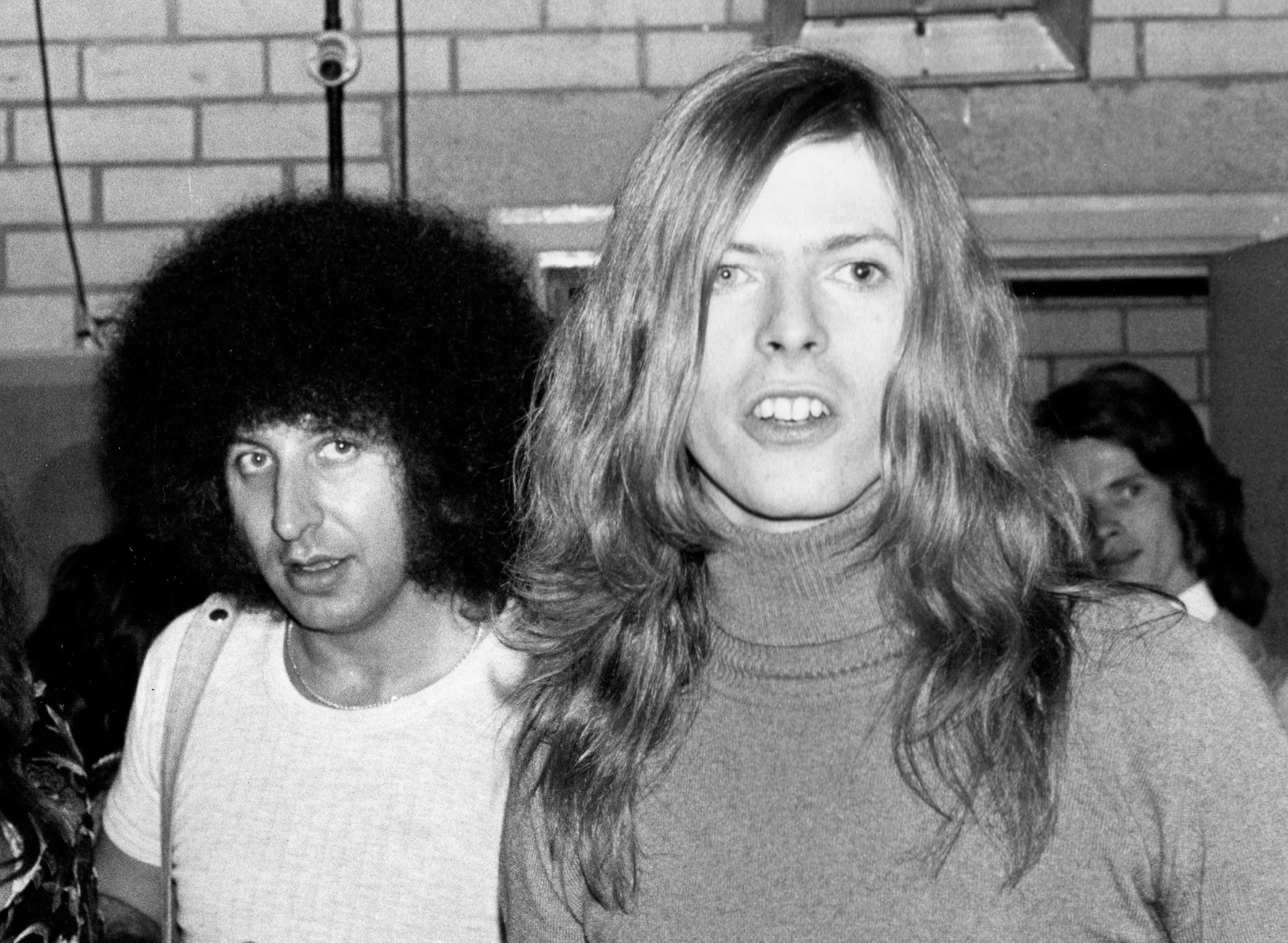
In this episode of Explaining History, we dive into the fascinating world of David Bowie’s 1960s—a decade of shifting cultural currents, personal reinvention, and the search for identity that would shape one of the most iconic artists of the 20th century.Drawing on Neil Stephenson’s insightful book David Bowie, we explore how the social upheavals of the 60s—from Swinging London and Mod culture to the countercultural movements and sexual liberation—created a crucible in which Bowie experimented w