-

How the French Mandate transformed Syria from the heart of Arab nationalist ambition into a fragmented territory governed by divide-and-rule, setting the foundations for every crisis that followed.
-
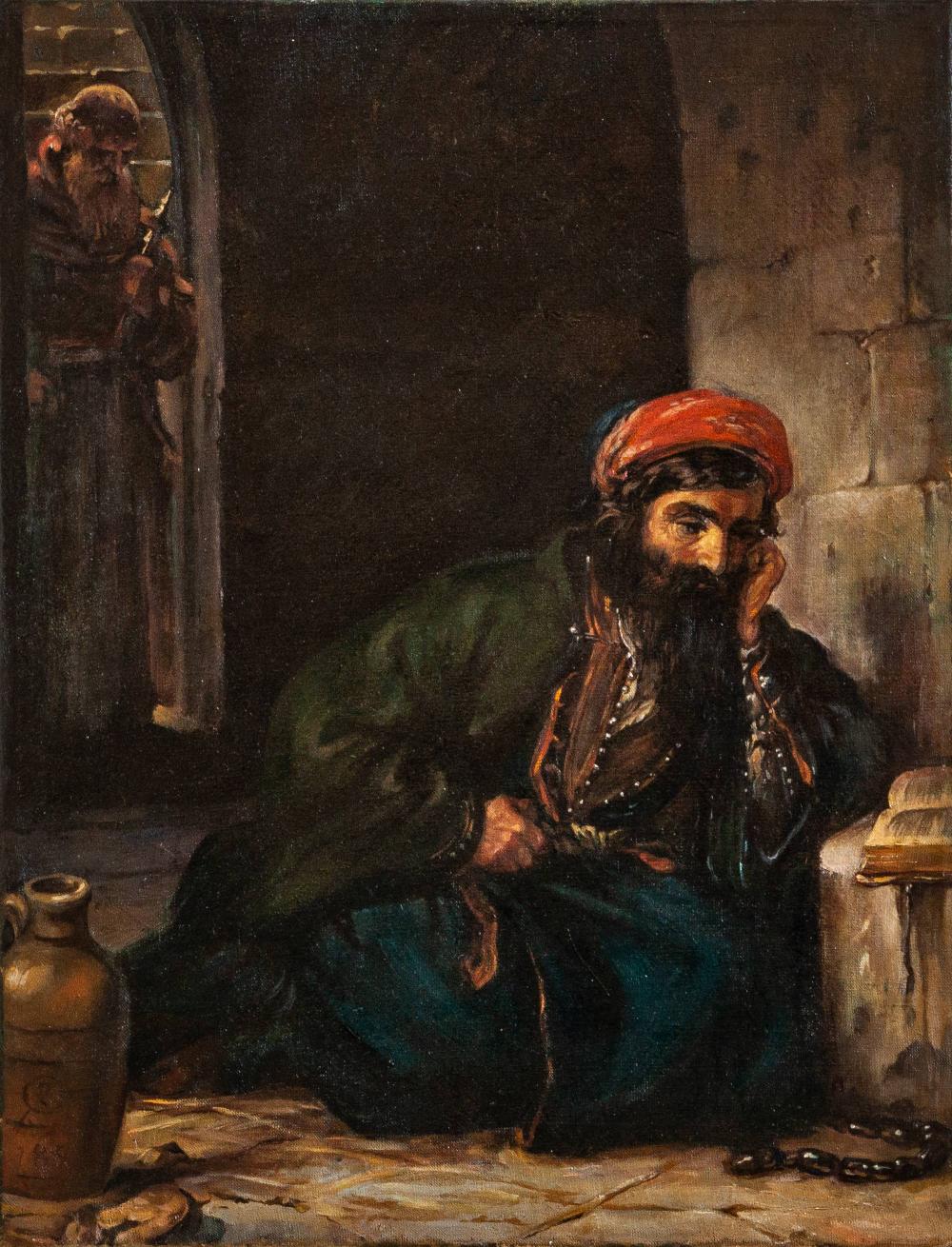
In the modern imagination, the history of antisemitism often focuses on the horrors of the 20th century or the pogroms of Tsarist Russia. But to understand the birth of modern Jewish politics, we must look to the year 1840 and the city of Damascus. In this week’s podcast, I explored the “Damascus Affair,” a crisis that Jonathan Frankel argues was a landmark moment for the Jewish world. When a Capuchin friar and his servant vanished in Damascus, the local Christian community and the French consul revived the medieval blood libel—the false accusation that Jews murder Christians to use their blood…
-
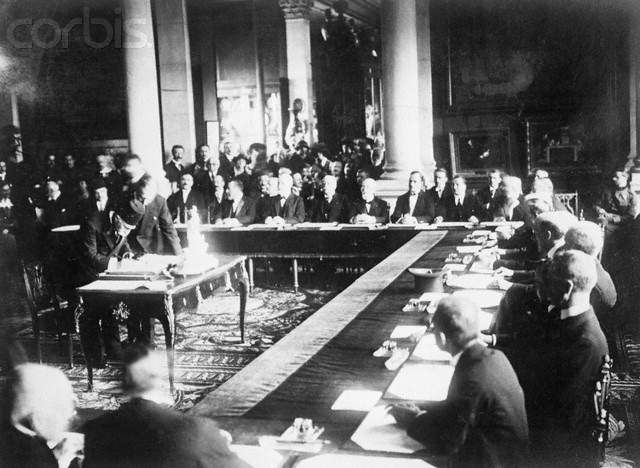
An evidence-led guide to the Kurdish provisions of Sèvres, their failure, the Lausanne settlement and the later decision over Mosul.
-

Introduction: The General at the Tomb On July 25, 1920, French troops led by General Henri Gouraud entered Damascus. They had just routed the Arab forces at the Battle of Maysalun, ending the short-lived dream of an independent Arab Kingdom in Syria. According to a persistent, though historically debated, anecdote, one of Gouraud’s first acts upon entering the city was to visit the tomb of Saladin, the legendary sultan who had expelled the Crusaders from Jerusalem in the 12th century. Standing before the sepulcher, the French High Commissioner is said to have declared, “Saladin, we have returned.” Whether the event happened…
-
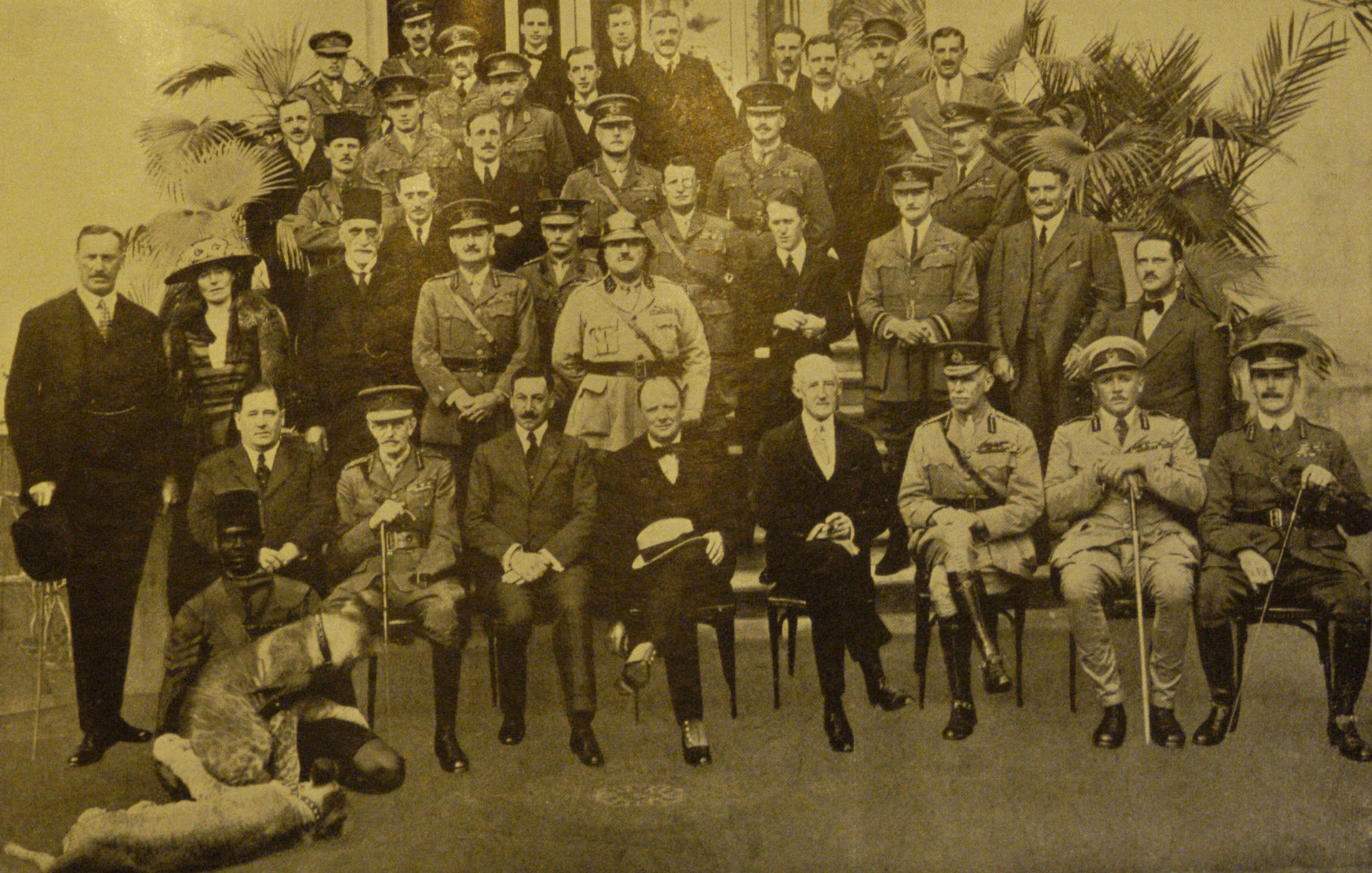
Introduction: The “Forty Thieves” at the Semiramis Hotel On March 12, 1921, a convoy of official vehicles arrived at the Semiramis Hotel on the banks of the Nile in Cairo. Emerging from the cars was a gathering of British officials that arguably represented the greatest concentration of imperial expertise ever assembled in one location. At the center of the group was Winston Churchill, the newly appointed Secretary of State for the Colonies. Flanking him were figures who had already passed into the realm of legend: T.E. Lawrence (“Lawrence of Arabia”), Gertrude Bell (the “Uncrowned Queen of Iraq”), Sir Percy Cox…
-
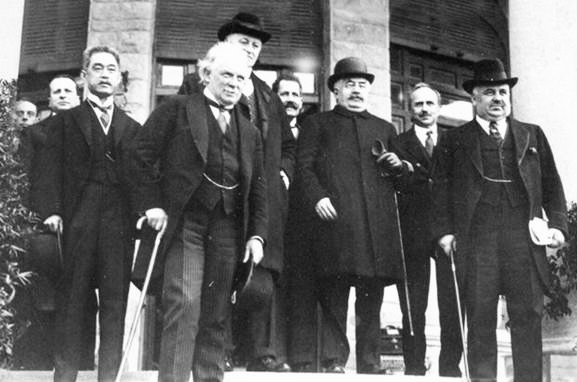
Introduction: The Villa Devachan and the New World Order On April 19, 1920, the Supreme Council of the Allied Powers convened at the Villa Devachan, an ornate Edwardian residence in the Italian resort town of San Remo. The setting was tranquil, overlooking the Mediterranean Riviera, but the business at hand was the definitive partition of the Middle East. For eighteen months following the Armistice of Mudros in October 1918, the fate of the Ottoman Empire’s Arab provinces had existed in a state of suspended animation. British and French armies occupied the terrain from the Levant to Mesopotamia, but the legal…
-

Introduction: The End of Secret Diplomacy In late November 1917, the newly established Soviet government in Petrograd initiated a diplomatic offensive that would shake the foundations of the Entente alliance and fundamentally alter the political trajectory of the Middle East. Following the Bolshevik seizure of power earlier that month, Leon Trotsky, the People’s Commissar for Foreign Affairs, authorized the seizure of the Russian Ministry of Foreign Affairs’ archives. His objective was not to conduct diplomacy, but to dismantle the “bourgeois” system of international relations that had precipitated the Great War. Trotsky ordered the publication of the secret correspondence and treaties…
-
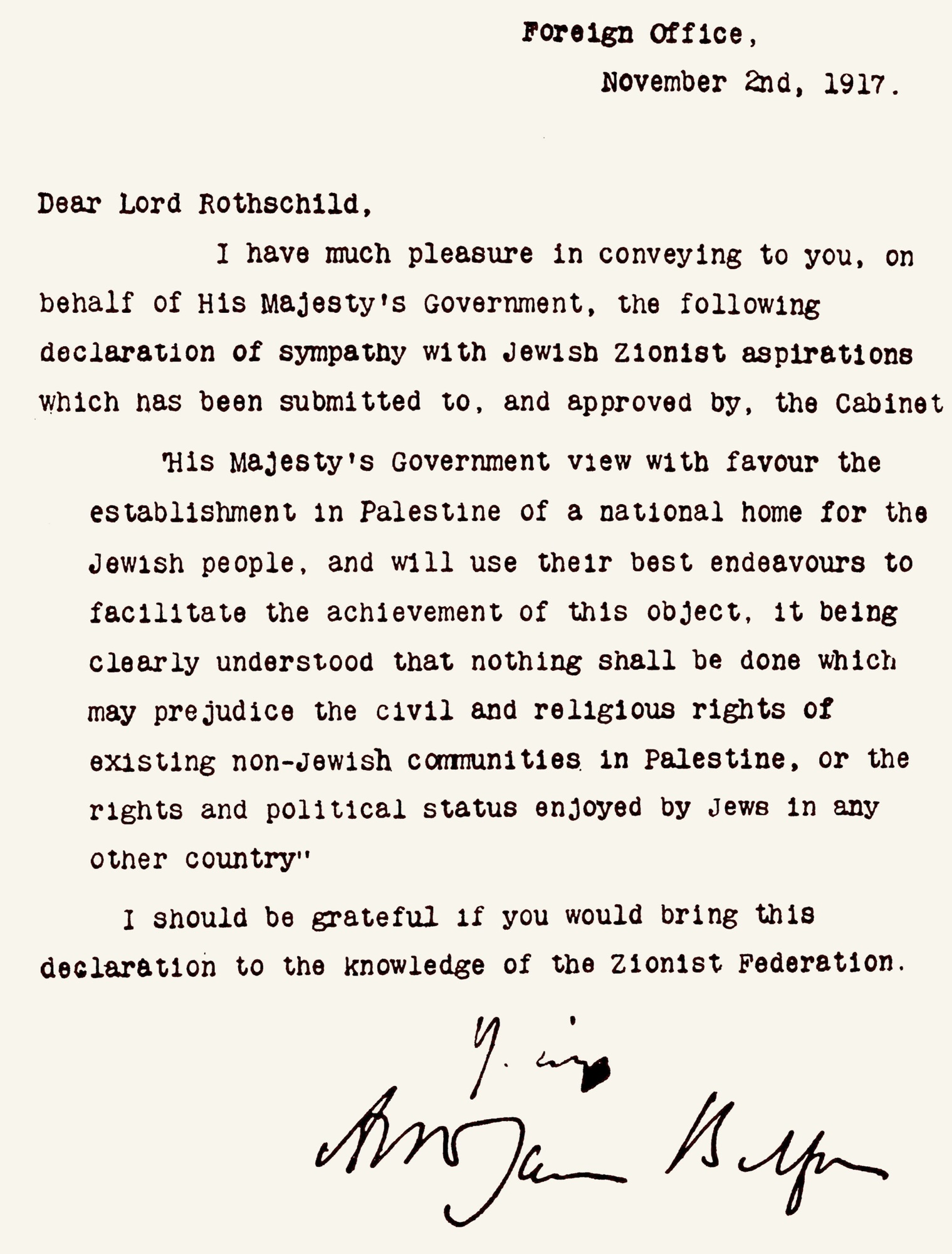
Introduction: The 67 Words That Redrew the Map On November 2, 1917, the British Foreign Secretary, Arthur Balfour, dispatched a private letter to Lord Rothschild, a figurehead of the British Jewish community, for transmission to the Zionist Federation. The text contained within the letter was brief—comprising a mere 67 words of operative policy—but its implications were instrumental in dismantling the geopolitical framework established by the Sykes-Picot Agreement just a year and a half prior. The declaration stated that the British government viewed with favor “the establishment in Palestine of a national home for the Jewish people.” In popular historiography, this…
-
Introduction: The Geometry of a Wartime Alliance In July 1915, a courier traveling from Mecca arrived at the British residency in Cairo carrying a letter addressed to the High Commissioner, Sir Henry McMahon. The letter was signed by Hussein bin Ali, the Sharif of Mecca and the Emir of the Hejaz. It contained a proposal that would fundamentally alter the British strategy in the Middle East: an offer to launch an armed uprising against the Ottoman Empire in exchange for British recognition of an independent Arab state. Over the next eight months, a series of ten letters were exchanged between…
-
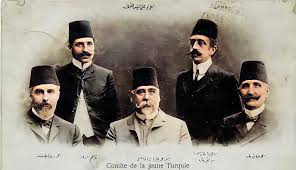
Introduction: The Eastern Question and the Balance of Power By the summer of 1914, the “Eastern Question”—the diplomatic shorthand used by European chancelleries to describe the problem of the Ottoman Empire’s territorial disintegration—had ceased to be a theoretical concern and had become an immediate strategic crisis. For nearly a century, the European powers had managed the decline of the Ottoman state through a complex system of checks and balances. The survival of the Empire was not born of Ottoman strength, but of European rivalry; the Great Powers preferred a weak Ottoman buffer to a chaotic vacuum or, worse, the dominance…